Grand Junction Gem and Mineral Show

Mineral Show

Grand Junctio Gem and Mineral Show

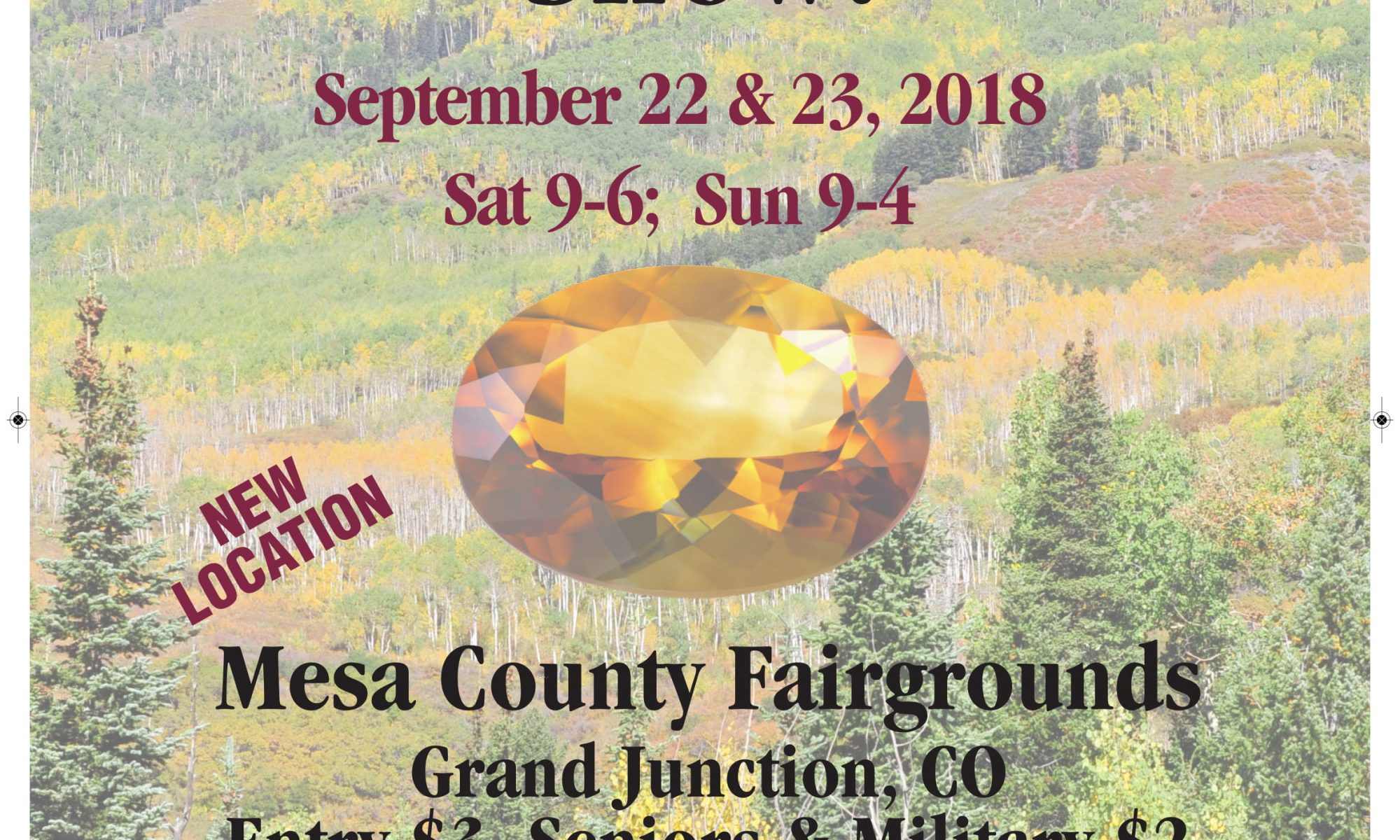
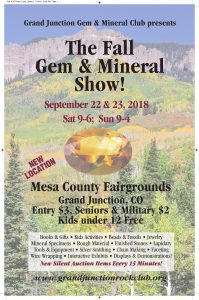
Gem and Mineral Show presented by Grand Junction Gem and Mineral Club is September 22-23, 2018.

New Location!
Mesa County Fairgrounds
Grand Junction, CO

Entry $3, Seniors and Military $2
Kids (under 12) are FREE!
Mineral Show
Mineral Show

http://www.grandjunctionrockclub.org/
The Grand Junction Gem and Mineral Club, Inc, is a nonprofit, taxexempt, educational organization. Our purpose shall be exclusively educational and social: (a) to increase and disseminate knowledge of the earth sciences pertaining to minerals, gems, rocks, artifacts, and fossils and similar subjects; (b) to promote and perpetuate knowledge of the lapidary arts;: (c) to encourage field trips; (d) to encourage greater public interest and education in gems fossils and minerals, cooperating with established institutions in such matters.

The Grand Junction Gem and Mineral Club meets on the second and fourth Thursday of each month at 6:30 pm in
our club building. November and December meetings will be on the second Thursday only. Our Annual Show is Mother’s
Day Weekend and is held at Two Rivers Convention Center at 159 Main St, Grand Junction, CO 81501. Classes and
workshops are offered throughout the year. There are sign-up sheets at the clubhouse to get on a waiting list and scheduled
classes are posted in the newsletter.

The Grand Junction Gem & Mineral Club, Inc. is affiliated with the Rocky Mountain Federation of Mineralogical Societies.
The club is located at 2328 Monument Road Grand Junction, CO, mailing address: P. O. Box 953, Grand Junction, CO
81502 The Club is a nonprofit, 501(c3) tax-exempt, educational organization.
Rockhounding Sites in Maine

rockhounding in Maine

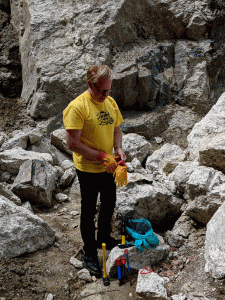
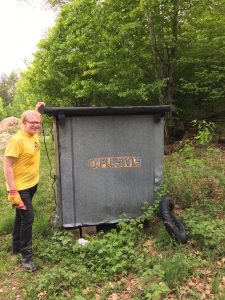
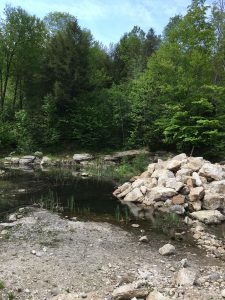
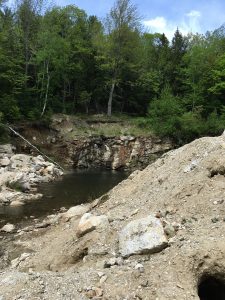
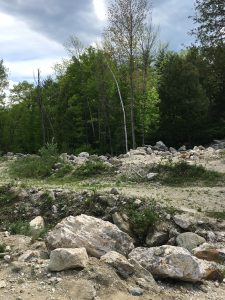
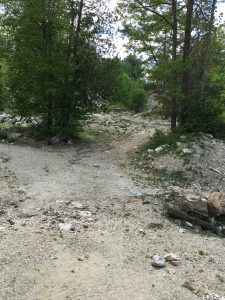
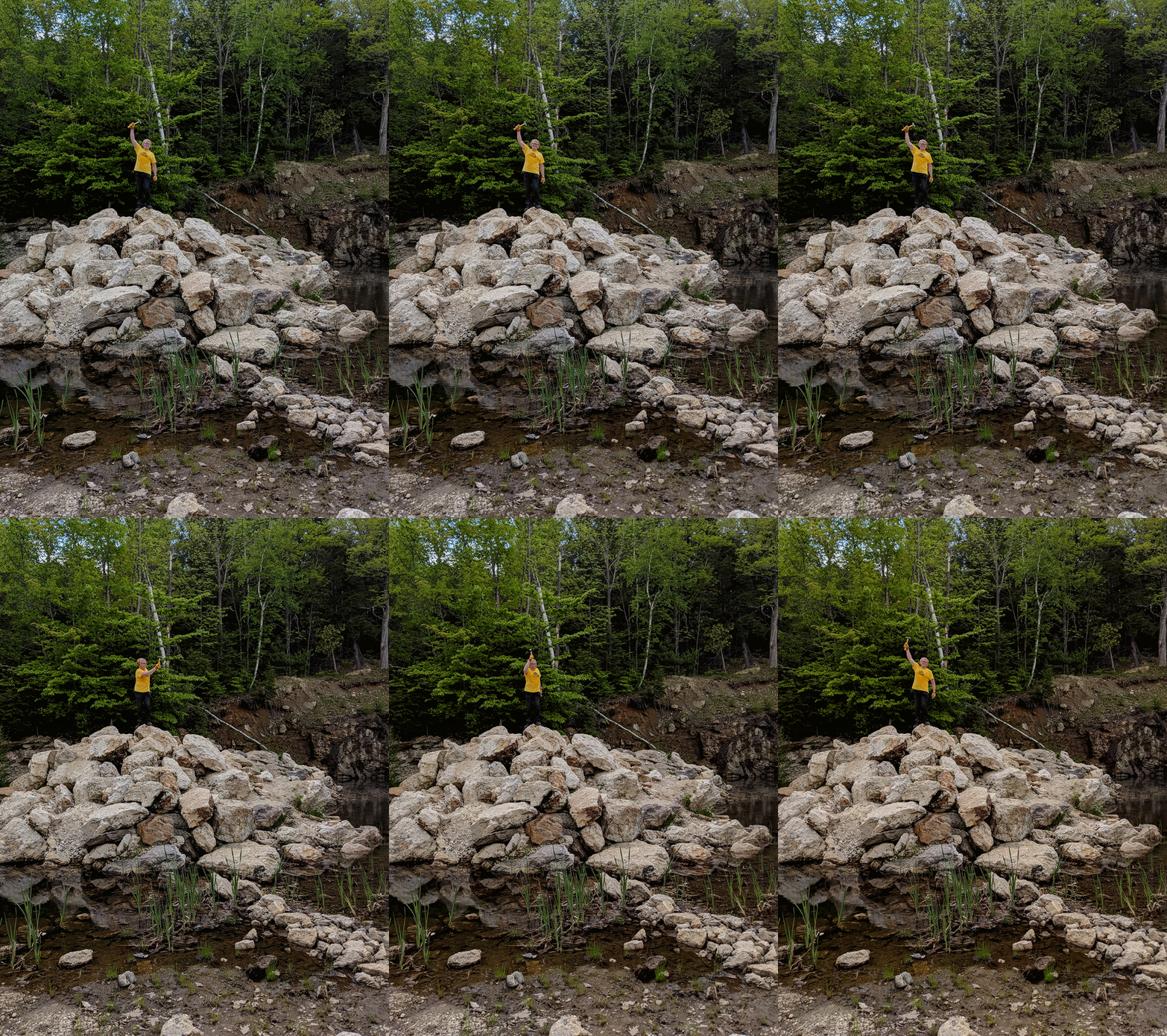
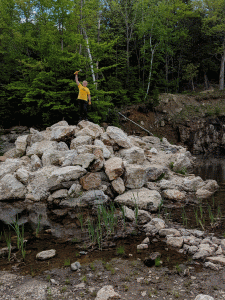
Rockhounding in Maine, is some great rockhounding, in fact some of the best rockhounding the American Geode team has ever experienced because of the ease and accessibility of the Maine mines! American Geode went on a rockhounding (and foodie) tour of Maine in May 2018, and found the quarries very accessible, easy to find, and full of mica.

American Geode followed the attached map, and found access to two of the mines, the ones off of Richardson Hollow Road, the Waisanen and Tamminen Quarrie
Driving: From jct. of Rtes. 117 and 118 in Norway, go west on Rte. 118 for 0.95 mile.
Turn right onto Greenwood Road and drive north west 5.30 miles.
Turn right onto Richardson Hollow Road and continue 0.40 mile to parking area on the right. Waisanan Quarry and Tamminen Quarry are .1 miles further down the road.

The American Geode found plenty of fine mica, and had a great time, and the reason we did not find other minerals as that we simply ran out of time. We suggest setting aside the day for rockhounding and exploring the area.

It’s hot in Maine in May, and there are a lot of bugs, so do take precautions, take plenty of water, and follow these rules:

A cheap dop-kit or toiletry kit is a great idea. Why? Because often times they are waterproof, and have zippers. You can wash them off too. Places like Target, Marshall’s, K-Mart, or Sears will carry inexpensive options.

Mosquito coils and matches are necessary, and we suggest having a minimum of 7 with you at all times. The bugs can be fierce no matter where you are. Mosquito coils last for hours and will burn away into ash.

Sunscreen is essential even in the outdoors. Bring the SPF Protection most suitable to how fair or how dark you are.

Rockhounding can get very dirty, so bring Wet-naps as they are very handy to clean off your hands quickly. They come in small travel packs. For some rockhounds they are too astringent to apply to one’s face, but personally I find it very refreshing. If you wear glasses these are very good for keeping your lenses clean, too.

Energy bars, candy bars, bananas, oranges, apples, and nuts are great for keeping up your energy and last the entire day. The wrappers are minimal waste to carry back, and the nut-shells, orange peels, and apple cores can be disposed of by Mother Nature.

Small notepad and pen or pencil for keeping notes. Date, time, location, and details of your gemstone finds quickly fade the mind due to excitement. This information is essential for gemstone and mineral finds, since provenance is paramount to us and to our clients, and should be for you as well.

Cell-phone or mobile device charger – while you are driving to the locale, or the night before, making sure your devices are fully charged. You should place a call to family and loved ones before heading out and if you are running late. It is highly advised to put these items in protective zip lock bags to PROTECT from dirt and mud. Additionally, filming your finds can be a great way to record you adventure.

Please contact American Geode directly with any questions; pictures and videos are below, as well as a map for you to download. #GetoutandRockhound

More information and reference about rockhounding sites in Maine:
Rockhound Sites in Maine

Treasures of the Earth, Pittston Gem and Mineral Show

Pittston Gem and Mineral Show

DO YOU HAVE ROCKS IN YOUR HEAD? WE DO!

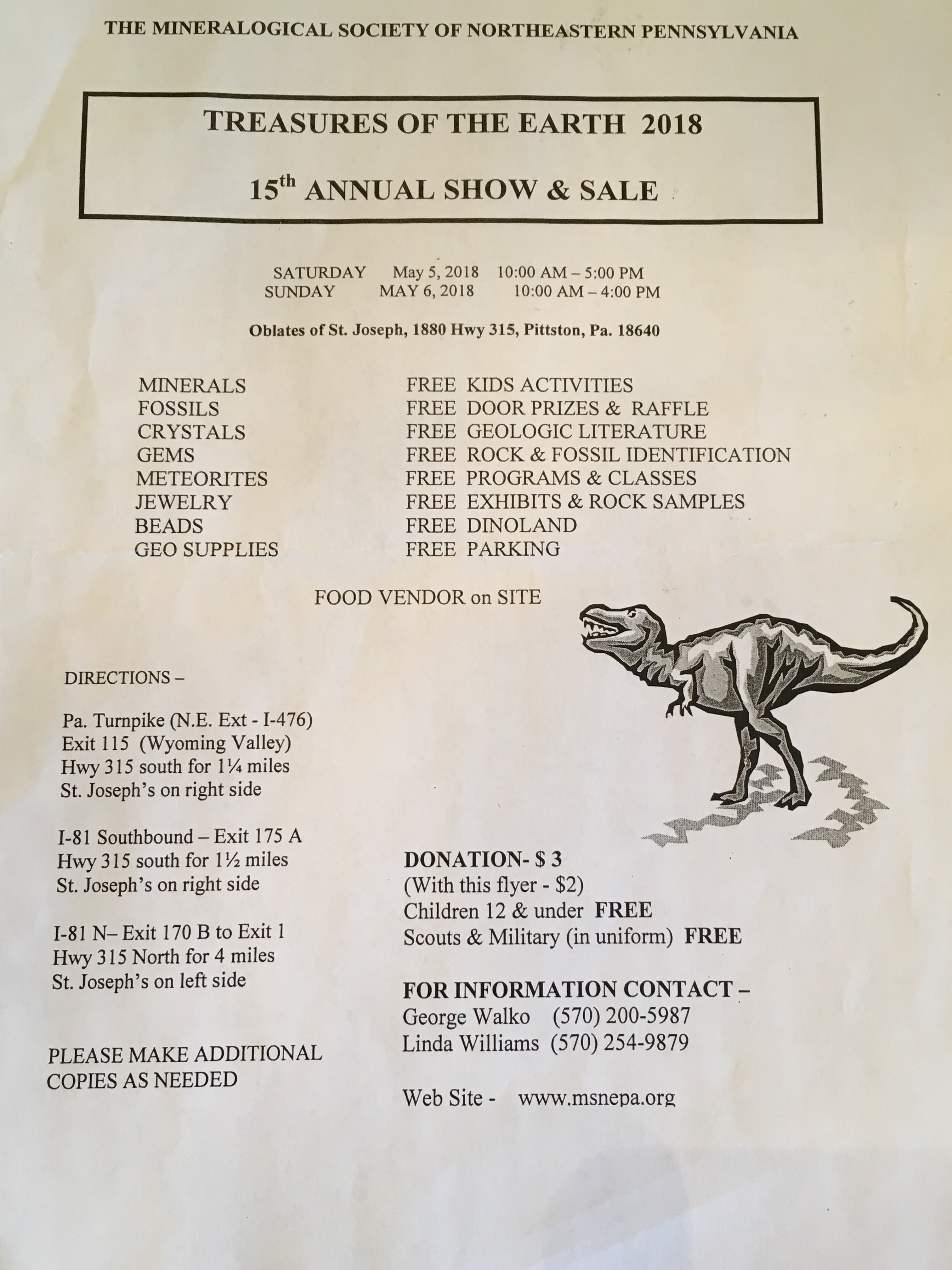
May 6 – 7, 2017 is our 13th Annual Gem & Mineral Show, at the Oblates of St. Joseph, 1880 Hwy 315, Yatesville, PA (just outside of Pittston, PA).

This is a must-do event! Great times for the whole family, many of whom make a point of returning year after year.

We have many fun activities for the children, including a Treasure Hunt with prizes! There are FREE Craft Classes for the teenagers & adults. Come out & try your hand at Wire-wrapping & other Craft Classes offered. Raffles & Door Prizes by the hour. Free parking! Come see what you are missing!

14th Annual Gem & Mineral Show

See Flyer & Map below

May 6 – 7, 2017

Saturday May 6, 2017 10 am-5pm

Sunday May 7, 2017 10am-4pm

Oblates of St. Joseph Seminary

1880 Hwy 315

Yatesville, PA 18640 (just outside of Pittston, PA)

Reproduce this Flyer & bring to Show for $1. OFF ADMISSION

Pittston Gem and Mineral Show

American Geode Info
Does your gem, mineral or fossil club or society need new members in your ranks? How about new guests to your gem, mineral and fossil shows? Would you like rockhounds and gem, mineral and fossil enthusiasts to travel across state lines to visit your show? Would you like exponentially more traffic to your club’s homepage or the show’s homepage?

American Geode can help. Between 3000 and 10000 rockhounds and gem, mineral and fossil enthusiasts visit our website each month. They also contact us for suggestions on clubs to join, and shows and events to attend.

Other mineral websites charge between $600 to $1000 per year for a banner ad on their site.

We charge a flat rate of $150 for 12 month basic partnership and offer much more than other mineral sites. Send us two banner ads, 728×90 and/or 150×150, that we will post on our website. As an add-on service, send your club announcements and show announcements for us to post over our famous American Geode Twitter with 10,000+ rockhound followers, fans and friends.

The benefits to you and your club are that you will raise higher in the Google ranks when someone searches for gem and mineral clubs, and gem and mineral shows. You will also view many more visitors to your site, soliciting information about how to join your club, download your member application form, and visit your shows.

Herkimer Diamond History and Heritage

American Geode

Now the source and formation of Herkimer Diamonds is of particular interest to us here at American Geode because the Herkimer Diamond was formed in “pockets” not unlike the pockets that formed geodes. Most quartz crystals grow, over the course of millions of years attached to a matrix, attached to the surrounding rock or stone. So in those formations only one end of the quartz crystal grows to its point. With Herkimer Diamonds forming inside pockets, freed from the surrounding matrix stone, they grow points on both ends.

The Herkimer Diamond began forming nearly 500 million years ago in pockets within a sedimentary rock called Dolostone (Dolomite and Limestone). Sedimentary rock, different from its two cousins Igneous rock and Metamorphic rock, is formed by layers of mineral and organic matter under hundreds of million years of pressure. As more layers of mineral and organic matter are deposited, this increases the pressure and weight on the lower and earlier layers of sedimentary rock below. The Dolostone covered Herkimer County during the Cambrian Age, when Herkimer County was also the bottom of the sea that spanned across North America.

Now this is the part of the Herkimer Diamond formation that is similar to the way geodes are formed: organic material, plants and sea life would die and be buried under new layers of sedimentary stone. When these plants and other sea life would decompose under the rock, they release gases, and this gas is what formed the “pocket.” Evidence of this organic, plant material succumbing to decomposition is clear when you see the black shiny flakes of Anthraxolite that surround or leak from these pockets. Anthraxolite is a carbon compound and by-product formed when organic material breaks down.

So as the organic material decayed and broke down it became a gas, trapped below layers of sedimentary stone. Air creates its own pressure inside a substance, so the air pressure was carving out its own cavity from the inside out. These air pockets became the pockets we rockhounds discover as we crumble, break, and peel away layers of the dolostone. Over the course of 200-250 million years the layers of sedimentary rock increased and grew, and this increased the pressure and heat on the buried dolostone. Also inside each of these air pockets were various quartz and carbon elements and other compounds “feeling the heat” from being buried below layers of sedimentary rock.

Under this pressure of the sedimentary layers of rock, and the ensuing heat, the quartz and other compounds inside these pockets began to transform themselves. Finally, over the course of 300 million years, the glaciers that sat atop Herkimer County began to melt, and washed away layers of the sedimentary rock, and allowed the compounds and elements inside these pockets to cool down and then crystallize.

An important question to answer right now is “why are the Herkimer Diamonds double-terminated?” The answer is that quartz does not adhere to the dolostone, therefore the quartz trapped inside these air pockets did not attach to the surrounding matrix host stone. The process left the quartz crystals free to fully crystallize unattached and allowed both of the ends to grow into fully terminated points. Many Herkimer Diamonds are found as clusters attached to one another. They adhered to one another during their crystal growth formation, but again did not adhere to the dolostone interior of the air pocket. The value of Herkimer Diamonds is determined by size and their opacity or translucence. The larger and more translucent Herkimer Diamonds are worth more to a collector or jeweler than the smaller opaque specimens. Knowing the history and background of the Herkimer Diamond however lends a premium in our opinion when you are considering adding Herkimer Diamonds to your collection. They are not commercially mined due to various New York state laws limiting mining in the state, and most of Herkimer County is being used today by happy grazing cows, sugary apple orchards, tart cherry trees, farms of squash, cabbages and onions, and wine grapes. We have recently gained access to heretofore unmined and barren acres in the Herkimer County area on the same geologic slope and ledge as the traditional Herkimer Diamond mines. We are in consultation right now with the owner about constructing a pole-barn over this new Herkimer mine so we can mine year-round.


Red Hill Fossil Discovery Part II


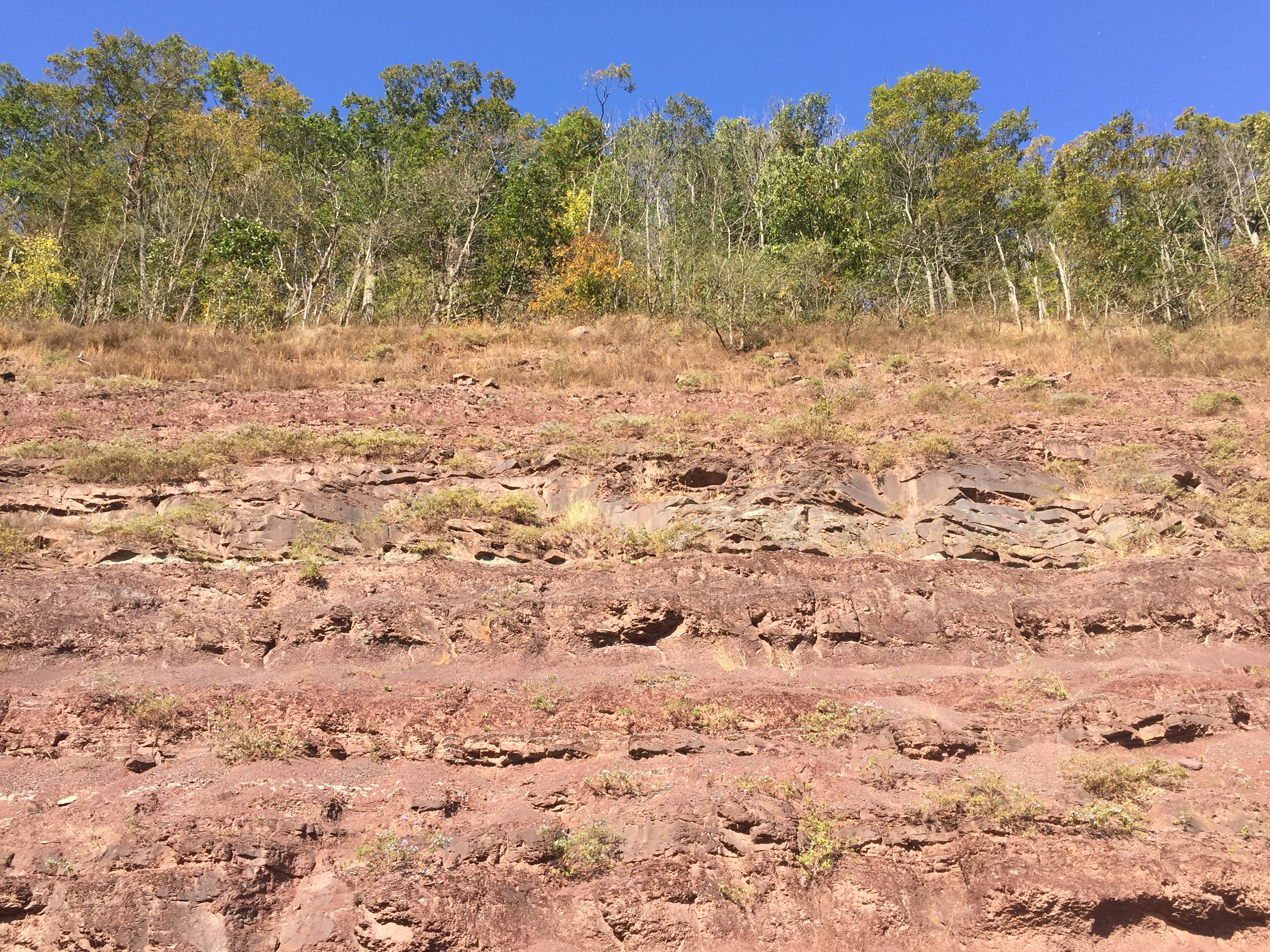
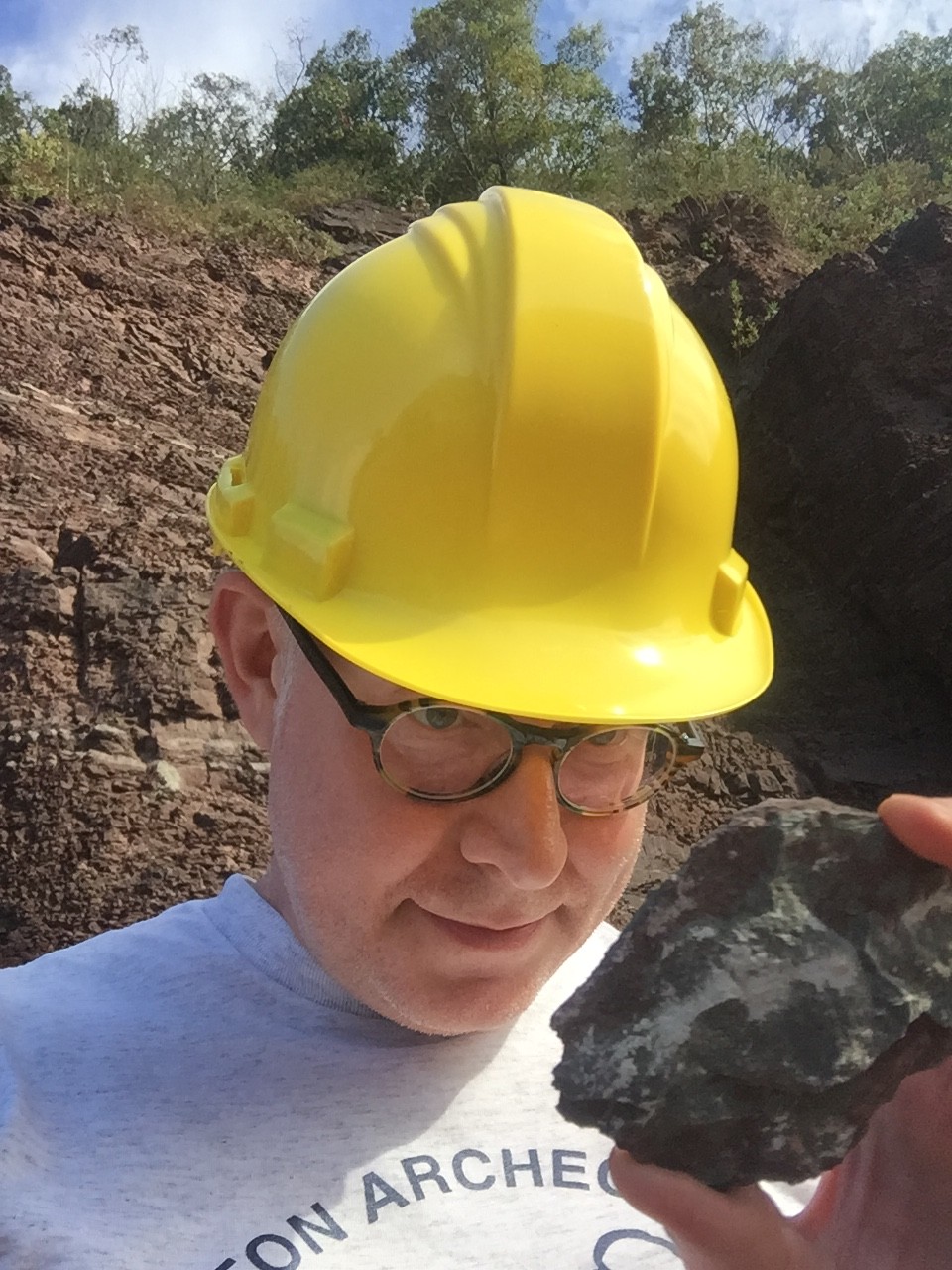
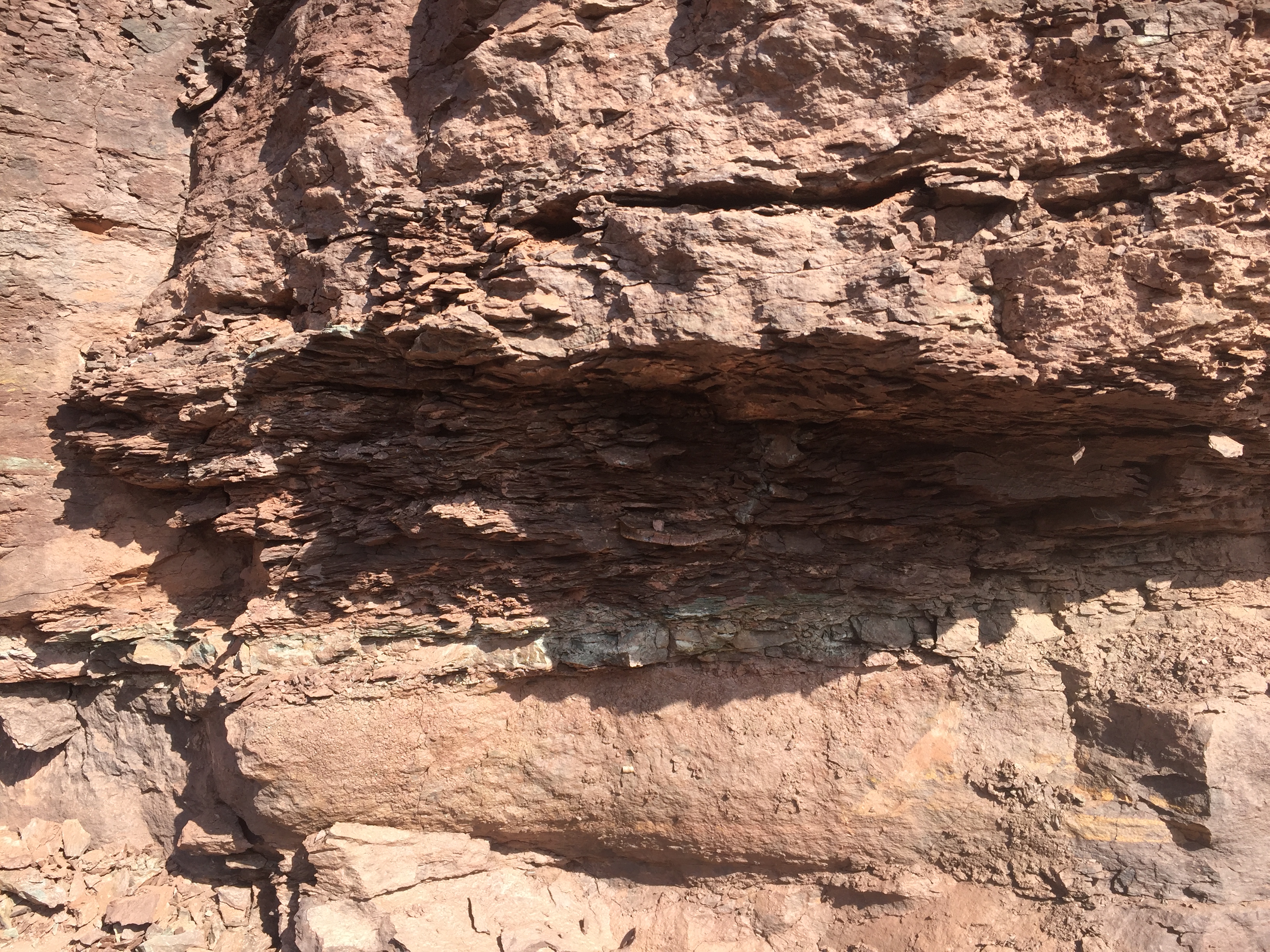
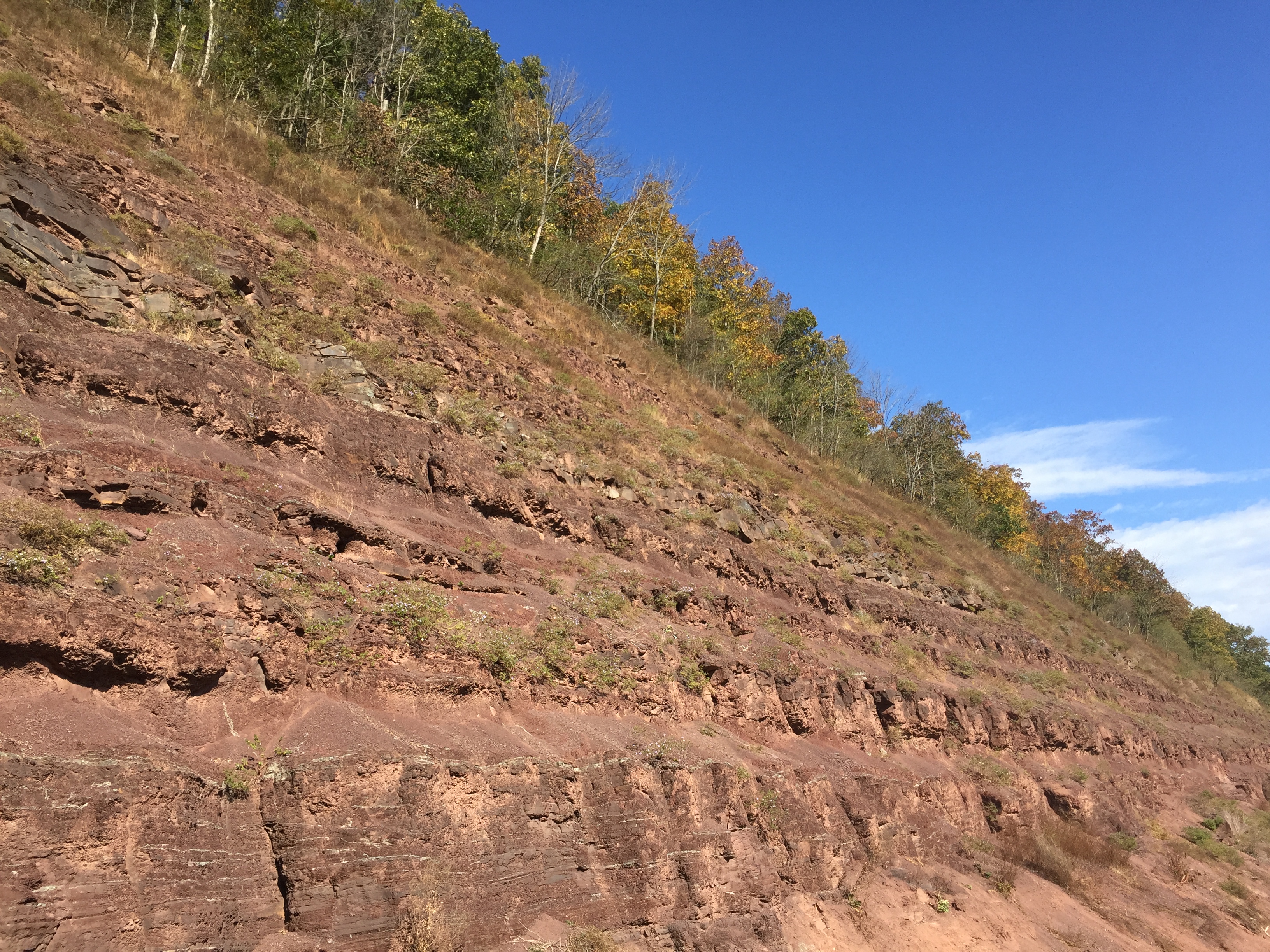
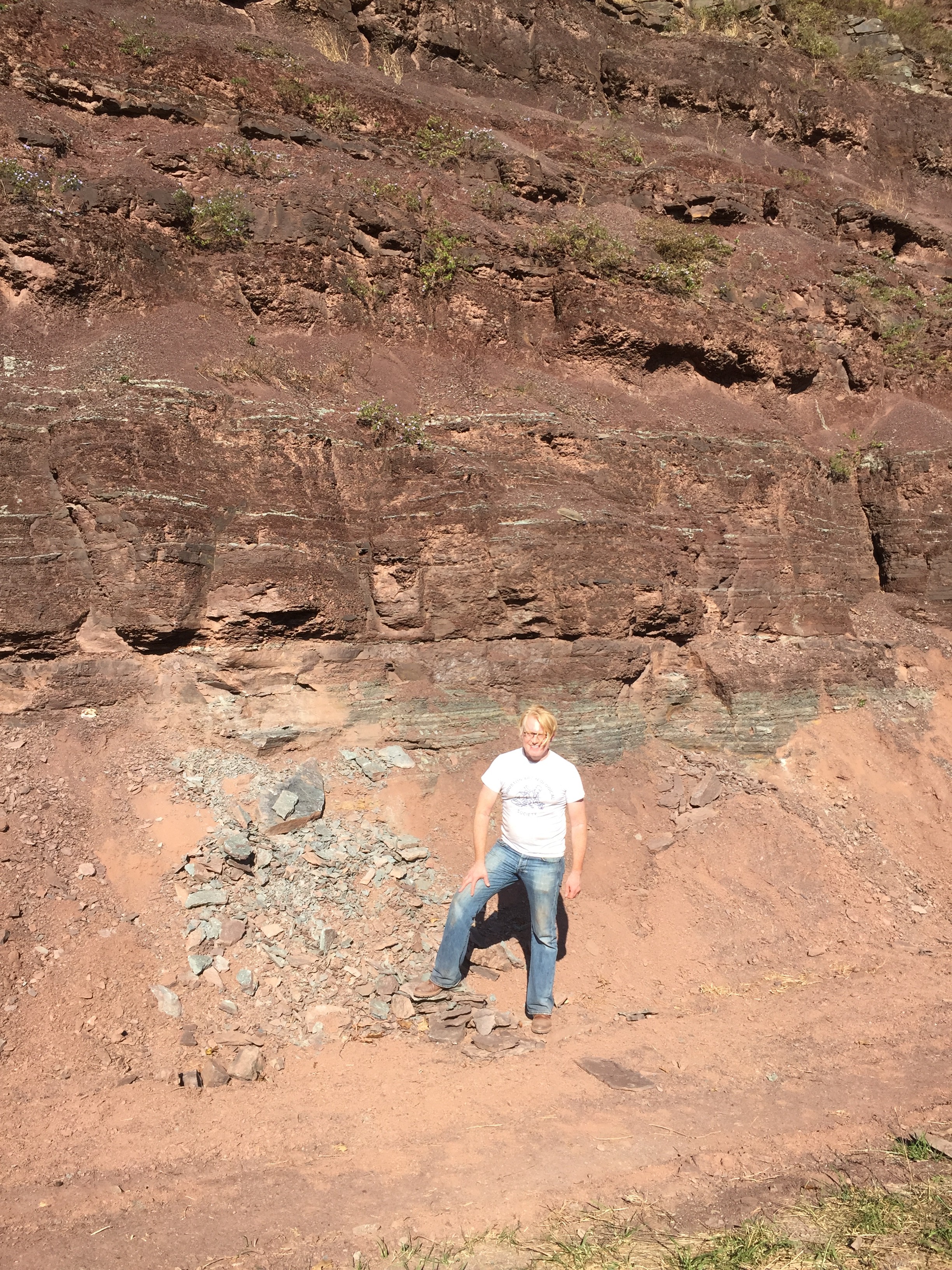
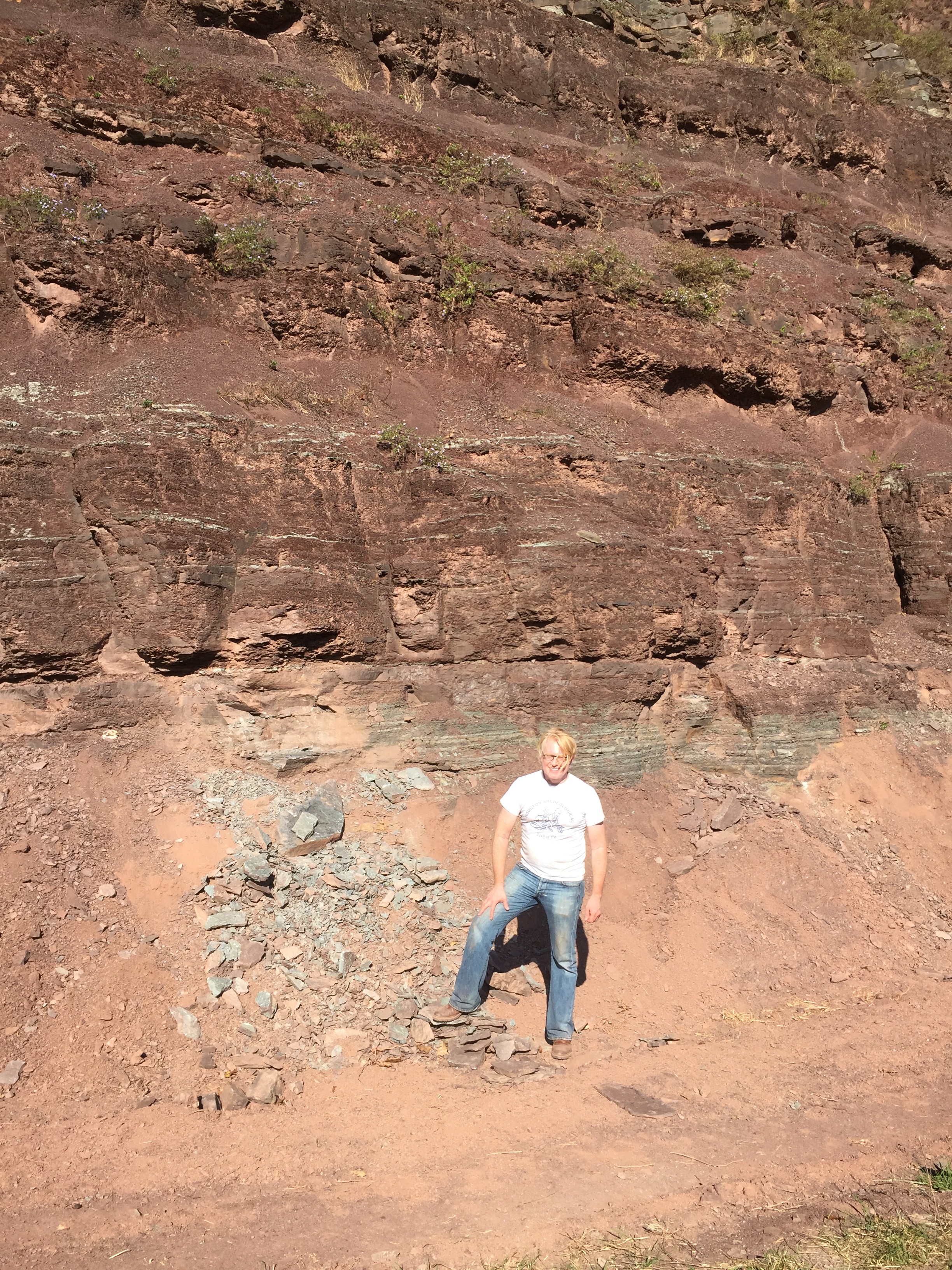
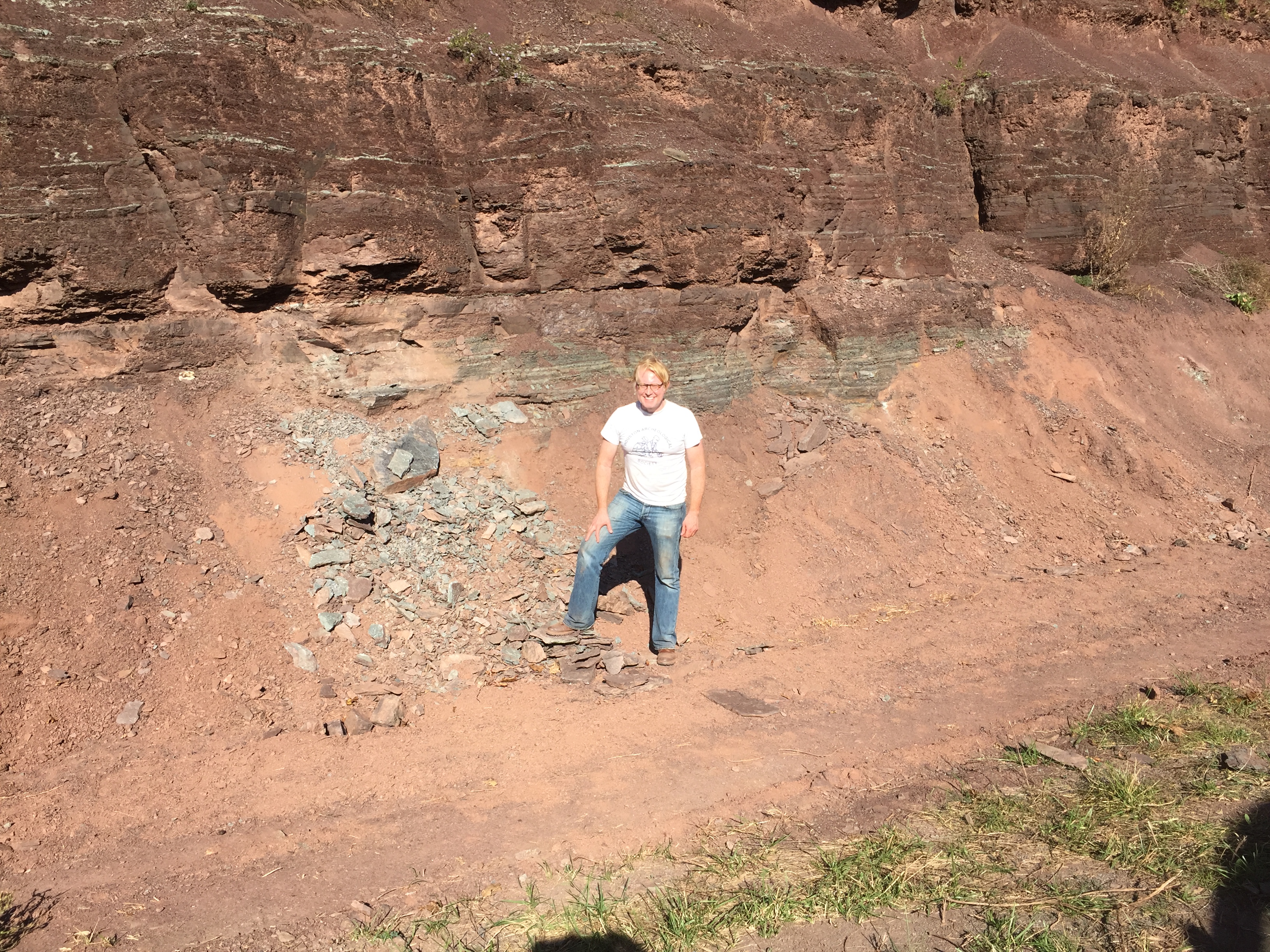
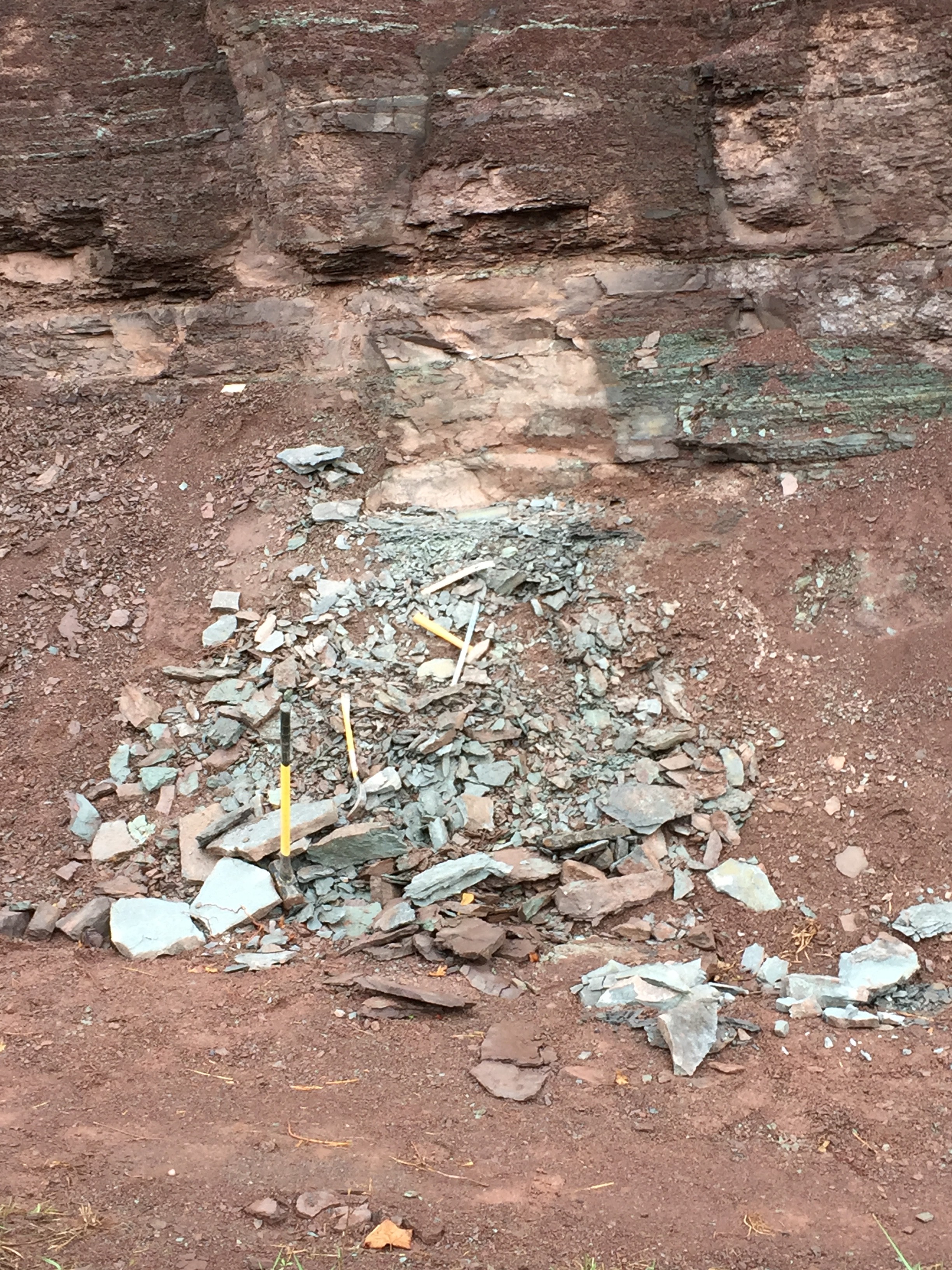
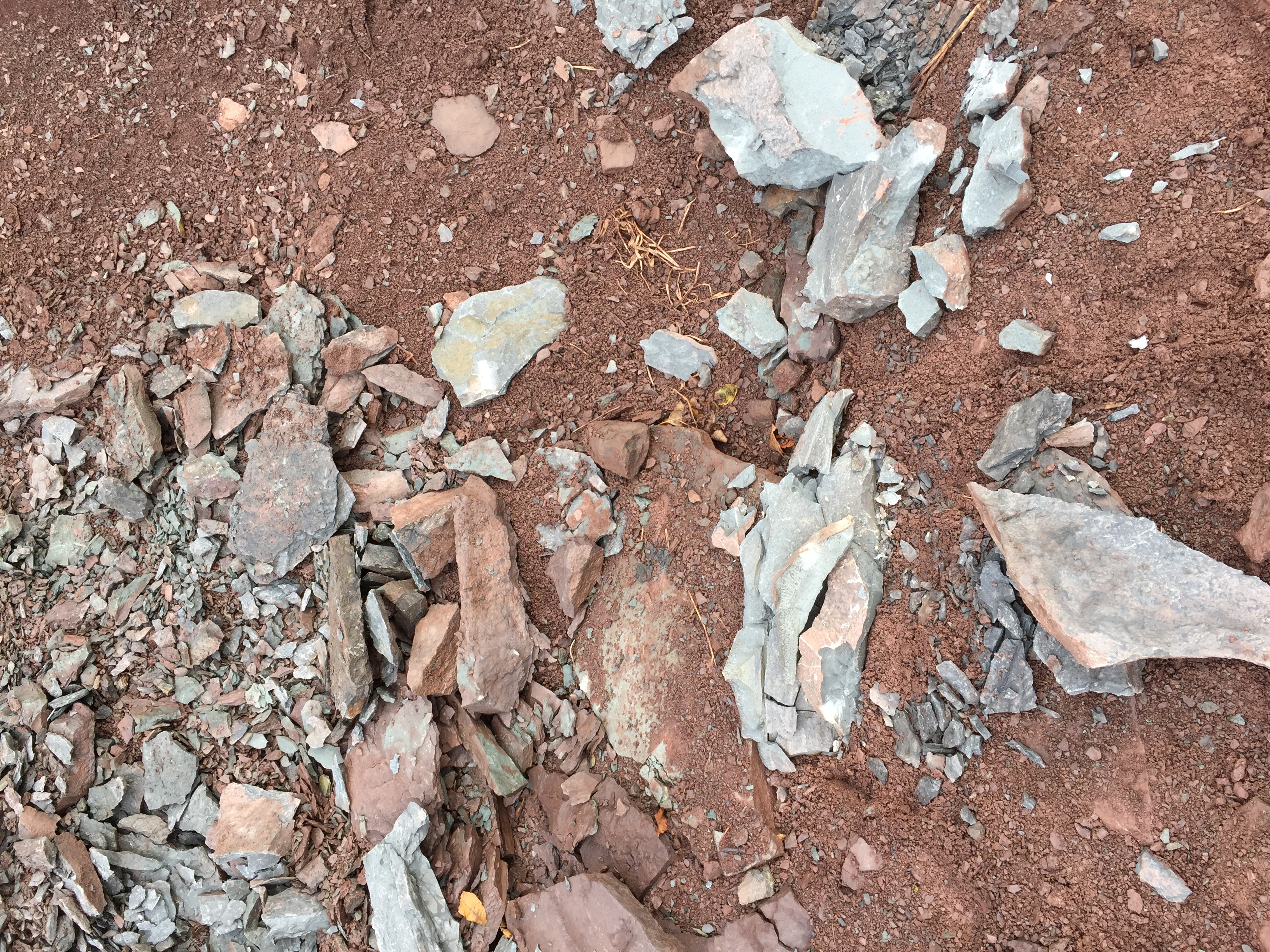
Later on Saturday, October of 2017, the American Geode team made it to the famous outcrop called Red Hill that is near Renovo, Pennsylvania and close to North Bend, Pennsylvania. Red Hill is the site of a very famous tetrapod discovery, one of the earliest tetrapods discovered in North America. The outcrop is very steep, and very dangerous. American Geode classifies Red Hill as an “advanced” or “expert” fossil site. Red Hill is managed by a volunteer group nearby who host and house a fossil and geology museum that American Geode was very lucky to view during a private tour later that day. You can see where boulders have fallen out of the cliff, shards of rock crumbled on the road nearby, and while we were there, occasionally a pea sized pebble to a golf ball sized rock would drop from the cliff.

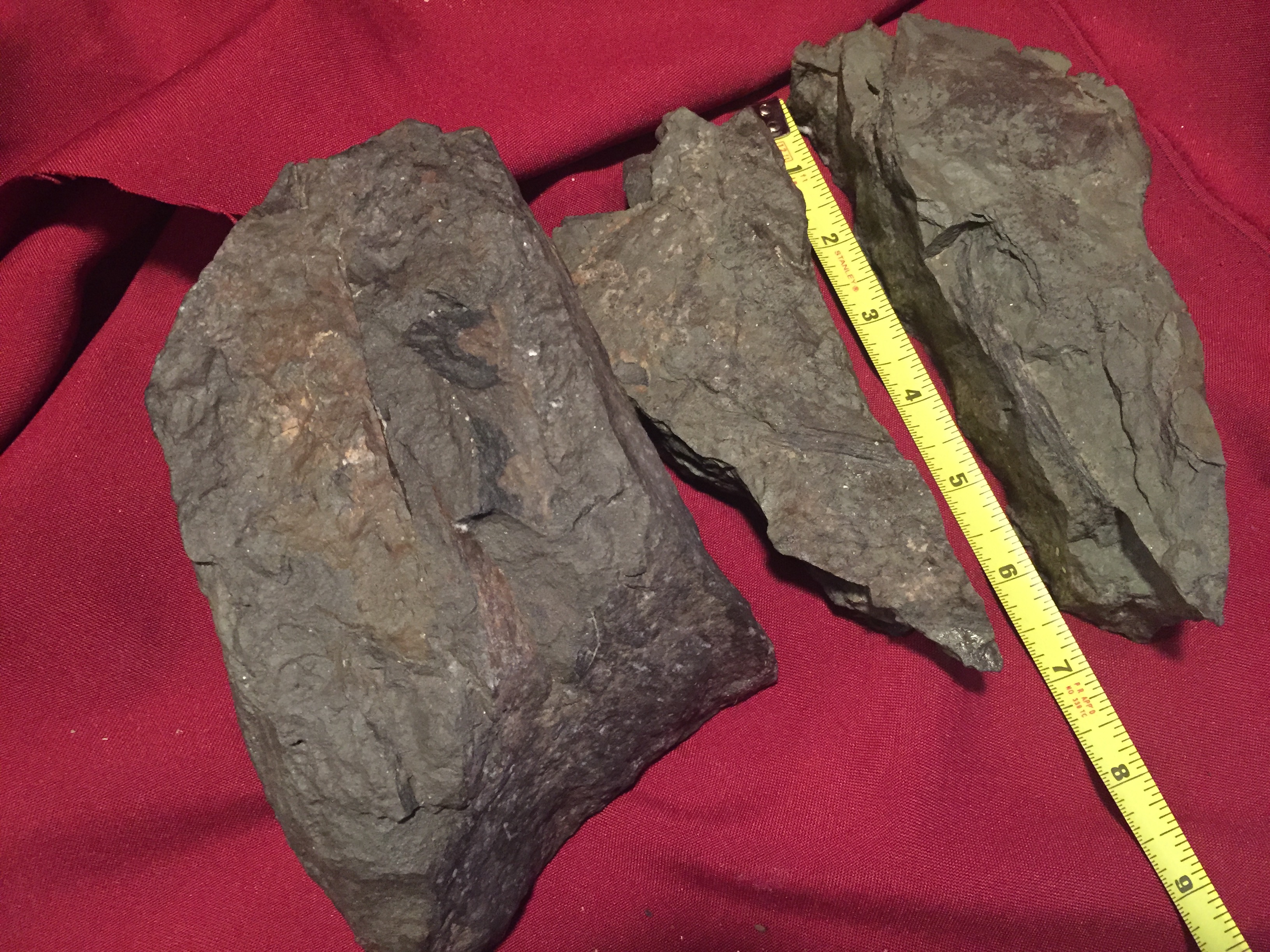
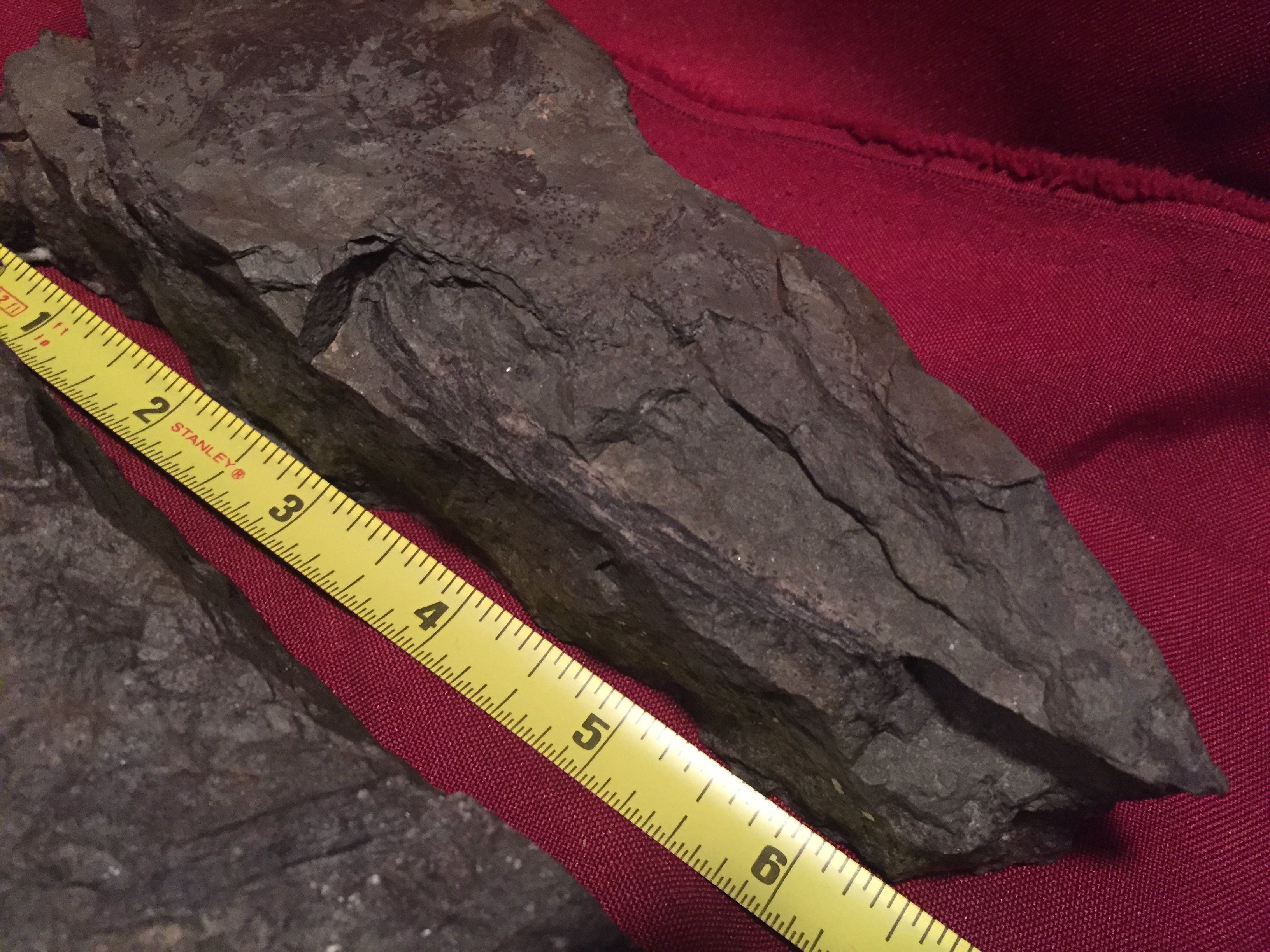
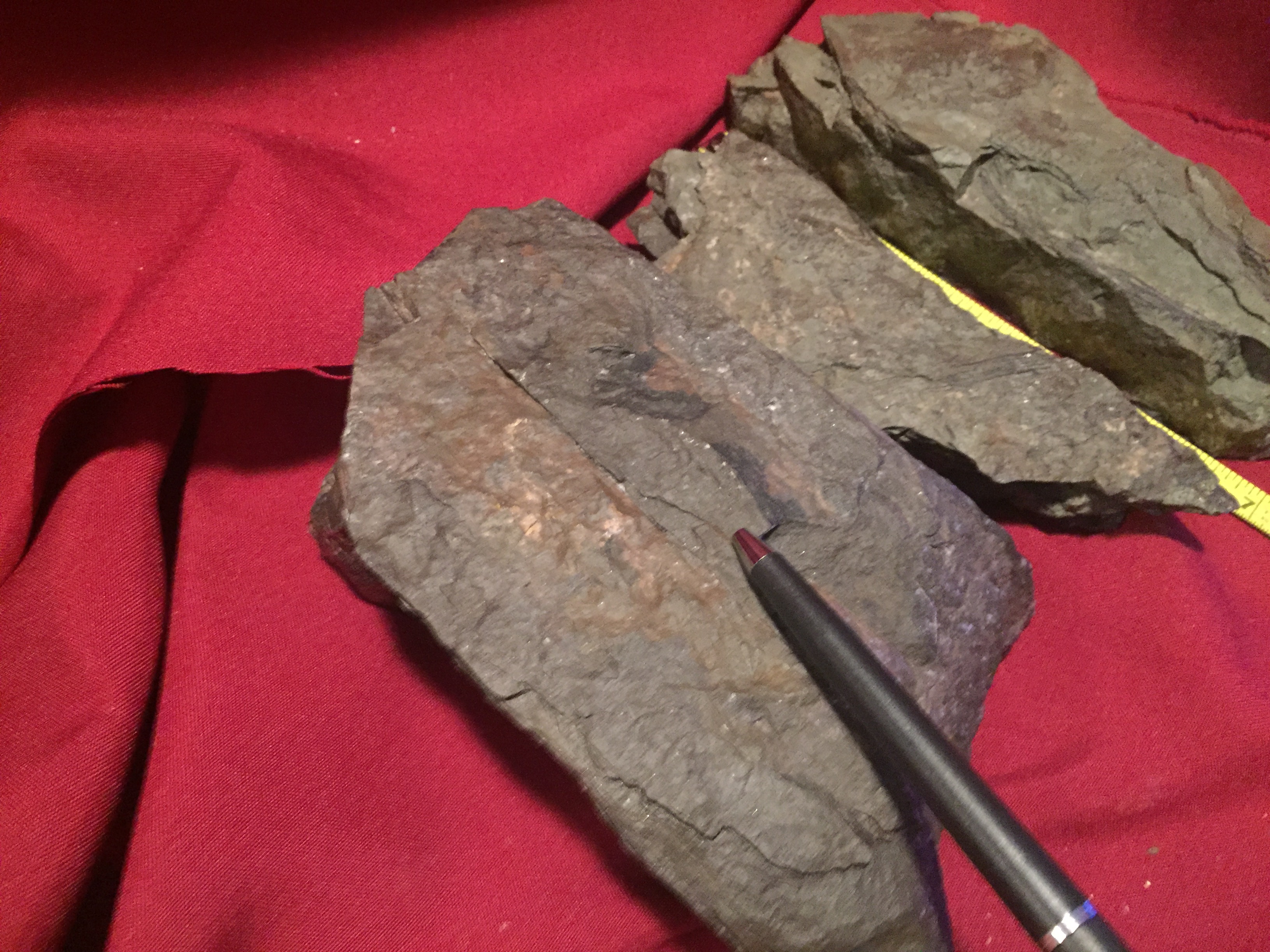
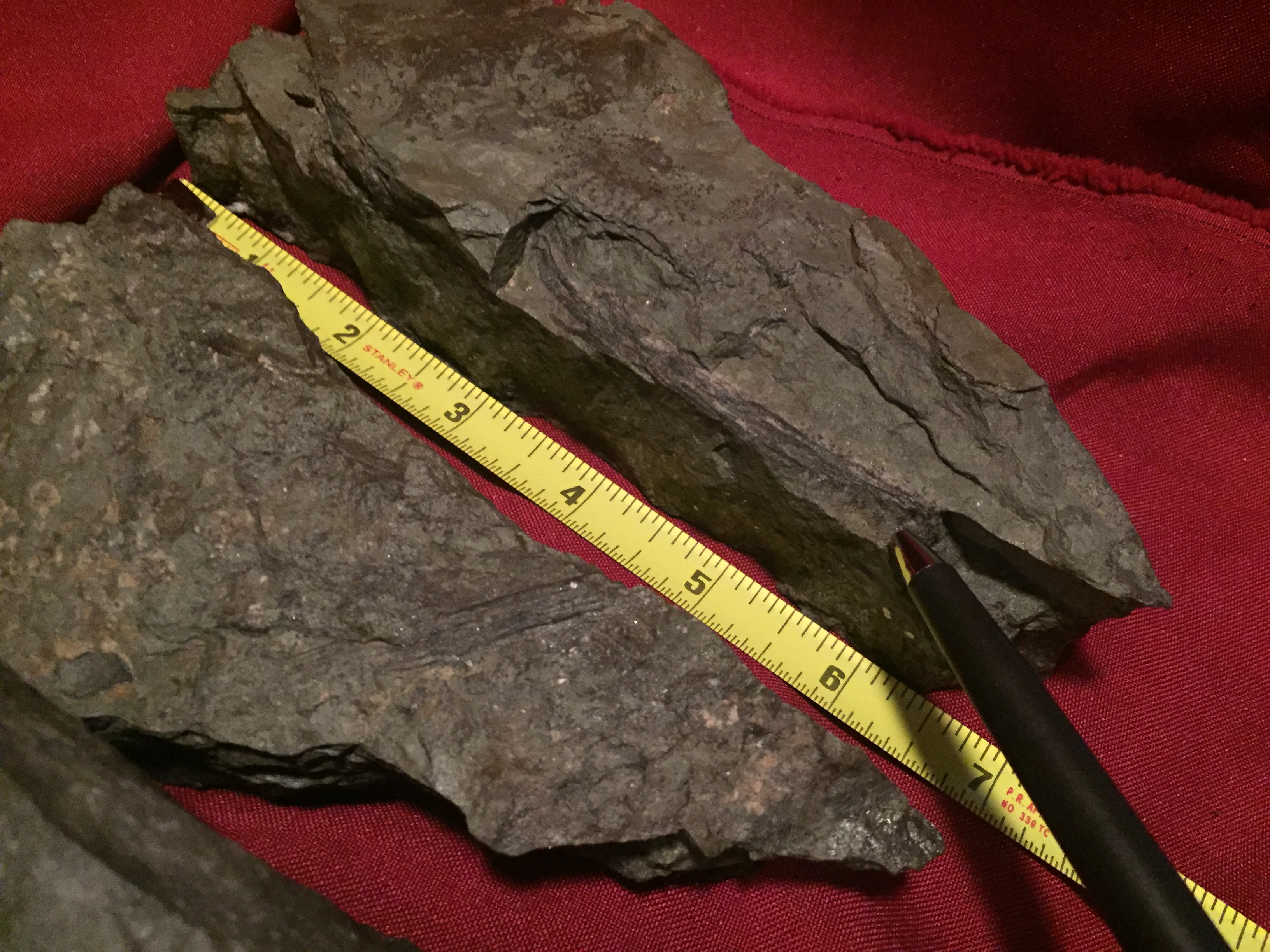
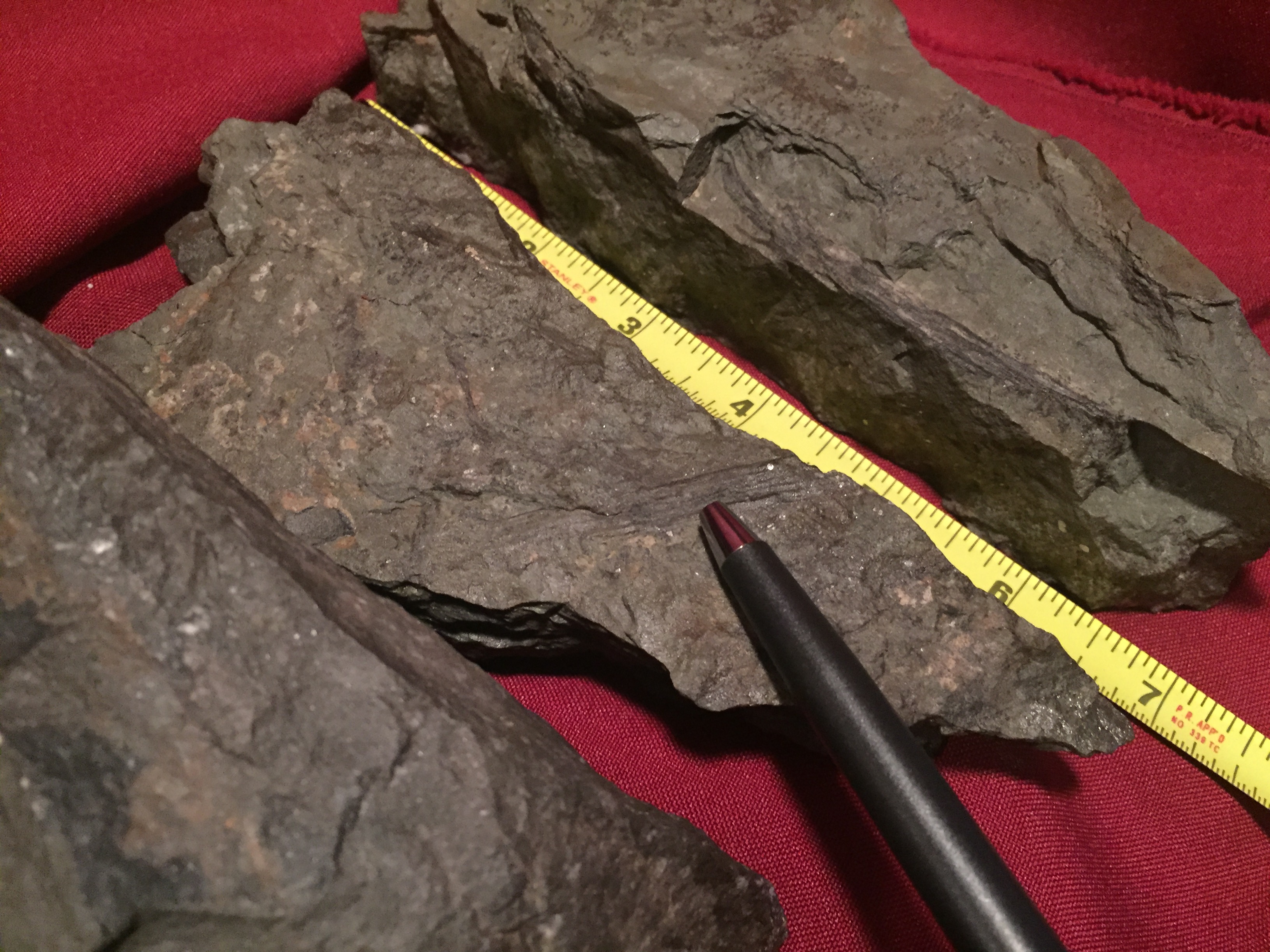
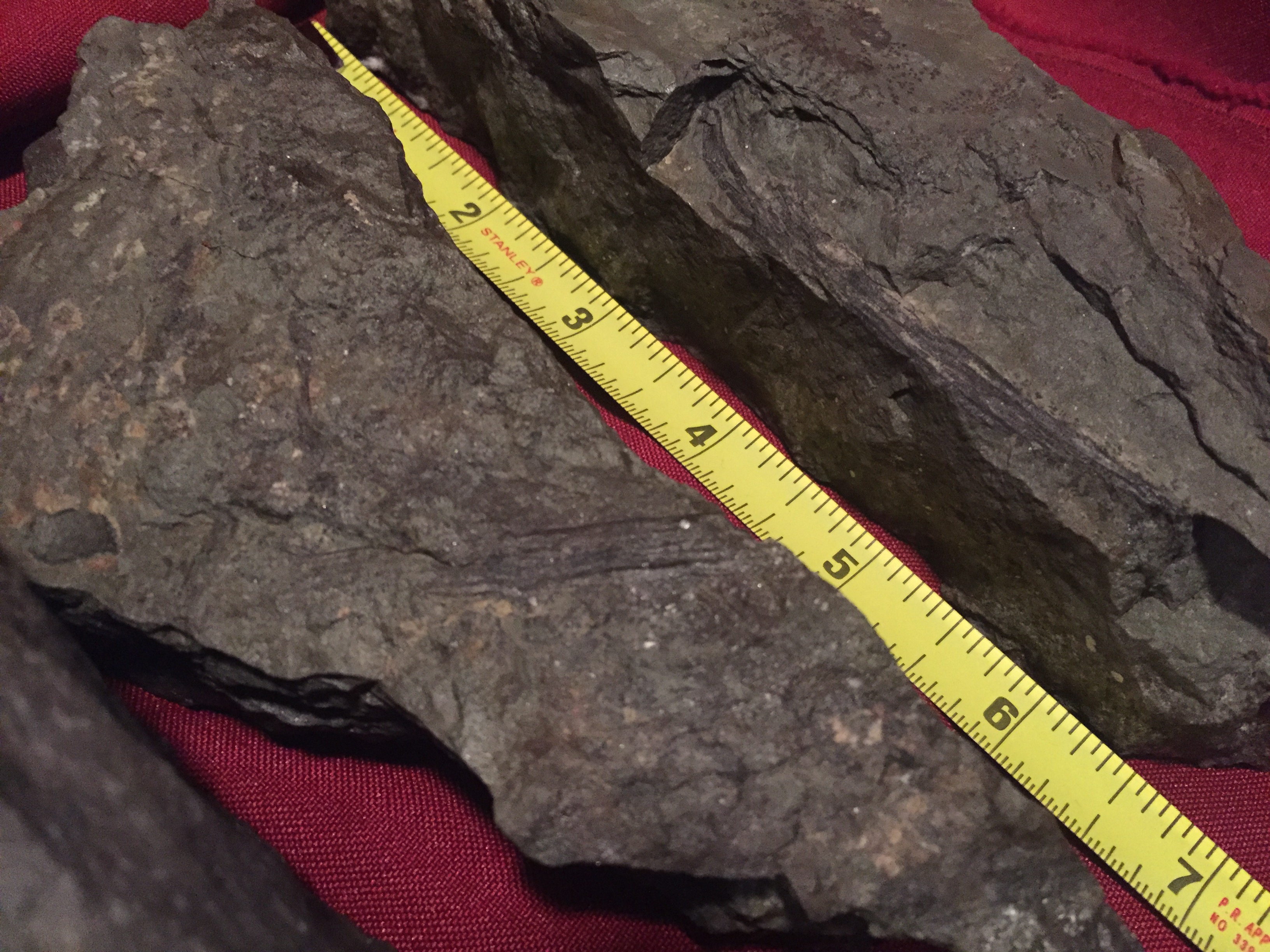
The fossils that one can find are Devonian plants, and if you are very lucky, one can find an insect, and if lightning strikes twice, once could find a tetrapod again. The American Geode team found many examples of Devonian Plants, but the rock is crumbly. When we brought the Devonian Plant fossils in matrix back to American Geode headquarters to clean up, we sprayed them with water sealant to help seal and protect the matrix.

We did not find any insects, but one of the rockhound paleontologists there described finding a scorpion one time!

If you have some time in the area, rockhounding or not, the museum nearby is a very educational and interesting experience. The museum information is here: https://www.facebook.com/RED-HILL-FIELD-STATION-AND-FOSSIL-DISPLAY-121627314538811/
*Call ahead to the museum! This is a volunteer staffed museum, so do not expect normal hours, and do not rely on information on their site. Call ahead!*

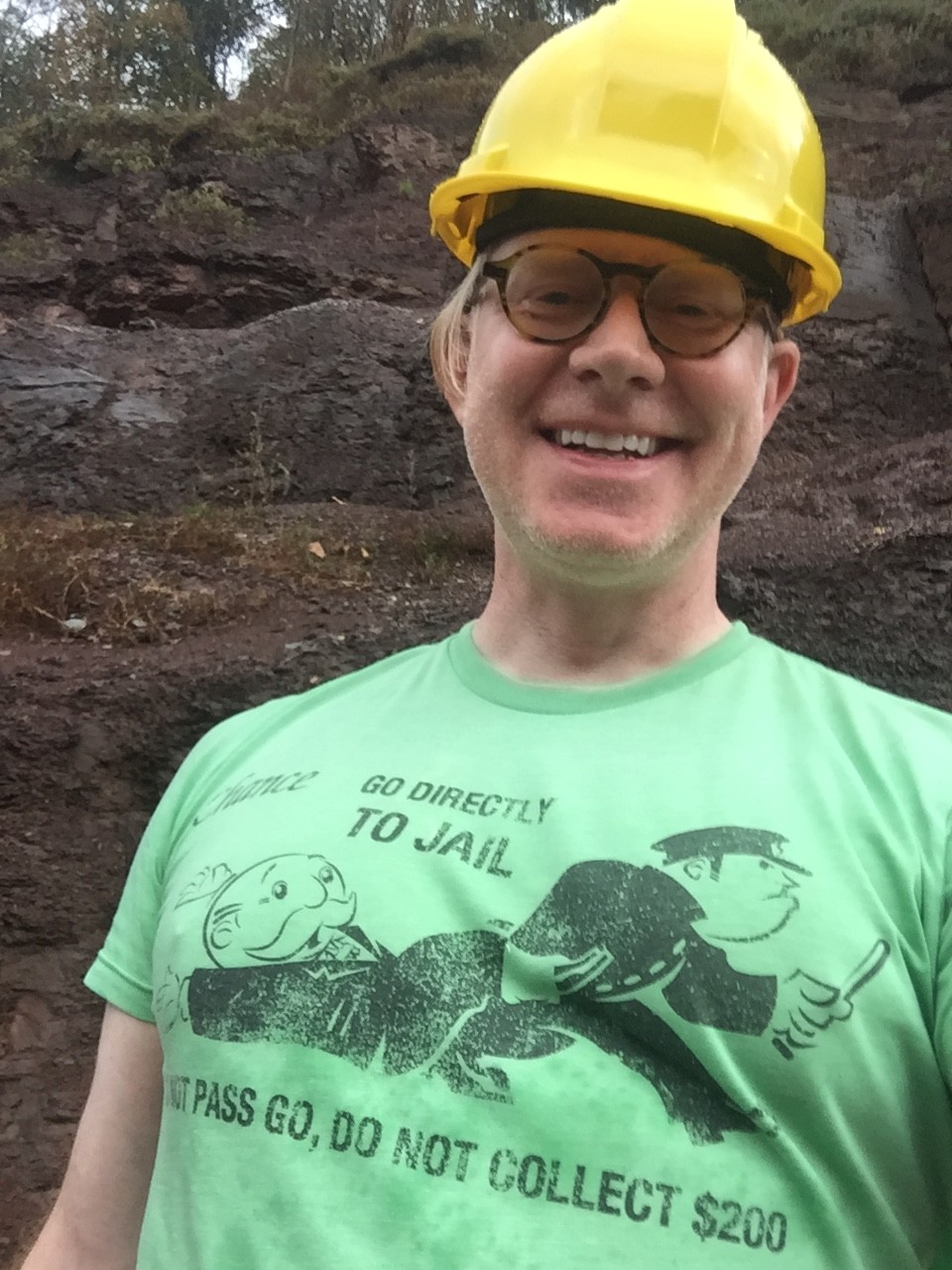
Here are photos of the Red Hill fossil trip and our Red Hill fossil discoveries! To see and purchase Red Hill fossils from the American Geode collection, go to our eBay store: https://www.ebay.com/usr/americangeode
Red Hill Fossils a

Red Hill Fossils b

Red Hill Fossils c

Red Hill Fossils d

Red Hill Fossils i

Red Hill Fossils h

Red Hill Fossils g

Red Hill Fossils f

Red Hill Fossils e

Red Hill Fossils j

Red Hill Fossils k

Red Hill Fossils l

Red Hill Fossils m

Red Hill Fossils n

Red Hill Fossil S

Red Hill Fossil R

Red Hill Fossil Q

Red Hill Fossils p

Red Hill Fossils o