Rock Tumbling Advice for Novices and Experts

Rock tumbling in North Georgia

Rock tumbling is one of those hobbies that quietly teaches patience, curiosity, and appreciation for nature’s hidden beauty. There is something exciting about opening a tumbler barrel after weeks of polishing and seeing rough, dusty stones transformed into smooth, glossy treasures. Using a 20-pound barrel MJR tumbler makes the experience even more rewarding because it allows larger batches of rocks to be polished at once, making it perfect for hobbyists who enjoy collecting stones from rivers, driveways, hiking trails, or rock shops.

The MJR tumbler is known for its sturdy design and dependable performance. A 20-pound barrel can handle a generous amount of material, which is especially useful for people who enjoy tumbling multiple types of stones together. Agates, jasper, quartz, petrified wood, and even softer stones can all become beautifully polished when the tumbler is loaded correctly and given enough time to work. One of the most important parts of successful tumbling is maintaining a balanced mix of rock sizes. Smaller stones help cushion the larger pieces and create even grinding during the tumbling process.

Equally important is choosing quality grit. Many rock tumblers trust The Rock Shed for tumbling supplies because the company offers reliable grit, polish, and rock tumbling materials that help produce excellent results. Most tumbling projects follow a four-step process: coarse grit, medium grit, pre-polish, and polish. Each stage gradually smooths the rocks and removes scratches left behind by the previous step. While it can be tempting to rush ahead, patience is truly the secret ingredient to achieving a brilliant shine.

Cleaning between stages is another important habit for successful tumbling. Even a small amount of leftover coarse grit can scratch rocks during the polishing stage. Many hobbyists carefully rinse the barrel, lid, and rocks after every cycle to keep contamination from affecting the final results. Taking this extra time often makes a noticeable difference in the finished stones.

Rock tumbling is also a relaxing hobby that appeals to people of all ages. Some enjoy it for the science and geology, while others simply love the surprise of seeing ordinary-looking rocks become colorful polished gems. A 20-pound MJR tumbler paired with quality grit can turn a simple bucket of rough stones into a collection worth displaying, gifting, or using in crafts and decorations.

In the end, rock tumbling is about transformation. With steady motion, quality materials, and patience, rough stones slowly reveal their hidden beauty. Every polished rock becomes a reminder that even ordinary things can shine when given enough time and care.

Rockhounding for Trilobite Fossils in North Georgia

Trilobites

You know those cool trilobite fossils? Turns out you can dig ’em up in limestone and shale deposits in places like Ohio, Indiana, Pennsylvania, and New York. A recent speaker at the Northeast Georgia Mineral Society later heard about a limestone cement quarry in Ohio that was just packed with Devonian period goodies – trilobites, shark bits, shellfish, and brachiopods in their gravel. The catch? Whole trilobites were super rare, and finding one was like hitting the jackpot. It actually took him a good three or four trips to the quarry before he finally snagged a complete one.

Fast forward a bit, and when he was at Cleveland State University, he and his buddies went fossil hunting. He and a college friend actually found a bigger one, but, oops, it broke in half! So they each took a piece. And get this – as they were heading out, one of their other friends, who wasn’t even that into fossils, just happened to spot a whole one right near where they parked. Talk about luck!

Now, for a quick geology lesson: Trilobites are these extinct arthropods that had cool exoskeletons and jointed appendages. Think of them as ancient relatives to modern-day crabs, centipedes, spiders, scorpions, ticks, horseshoe crabs, spiny lobsters, and even those little rolly-pollys you find in your garden. Their name, “trilobite,” makes sense when you see them, because the fossil has three main sections: a central spine and two lobes on each side. Trilobites had compound eyes and were ocean dwellers. Scientists figure out what they ate based on their mouthparts – some were probably plant-eaters, while others might have been predators. There are a whopping 22,000 known species of these guys!

Trilobites eventually disappeared during the Permian period, likely due to a massive die-off, possibly from a meteor impact that caused global chaos and volcanic activity. Plus, some folks think another arthropod, the Anomalocaris, might have been preying on them.

Our fine speaker even found some complete specimens in the shale deposits of the Conasauga River in NW Georgia once. It was near a new neighborhood, and he found tons of different species! But, sadly, word got out, and collectors started parking all over the neighborhood, which led to the site getting shut down and blocked off. It’s a real reminder for collectors to always be super respectful of these awesome locations. Oh, and if you’re looking for more trilobites, you might have some luck in Tennessee and Kentucky, too! Enjoy these photos of trilobites fossils from Georgia and from Madagascar, and enjoy the educational slides and feel free to share!

Trilobites
Trilobites
Trilobites
Trilobites
Trilobites
Trilobites
Trilobites
Trilobites
Trilobites
Trilobites
Trilobites
Trilobites
Trilobites
Trilobites
Trilobites
Trilobites
Trilobites
Trilobites
Trilobites
Trilobites
Trilobites
Trilobites
Trilobites
Trilobites
Trilobites
Trilobites
Trilobites
Trilobites
Trilobites
Trilobites

Knoxville Gem & Mineral Society 2021 Show!

Knoxville Gem & Mineral Society 2021 Annual Gem Show

Rothchild Conference Center 8807 Kingston Pike, Knoxville, TN 37923

Friday, October 15, 10:00 am – 6:00 pm Saturday, October 16, 10:00 am – 6:00 pm Sunday, October 17, 11:00 am – 5:00 pm

As a precaution for Covid masks will be required for admittance.

The show will feature 23 vendors with a wide variety of jewelry, fossil and mineral specimens, meteorites, gemstones, and decorative objects. There will also be educational activities and gem and mineral ID tables. Admission Adults: $6.00 Run of Show Pass: $10.00 Children Under 12: Free

Summerville, Georgia Agate Rockhounding Trip 2021

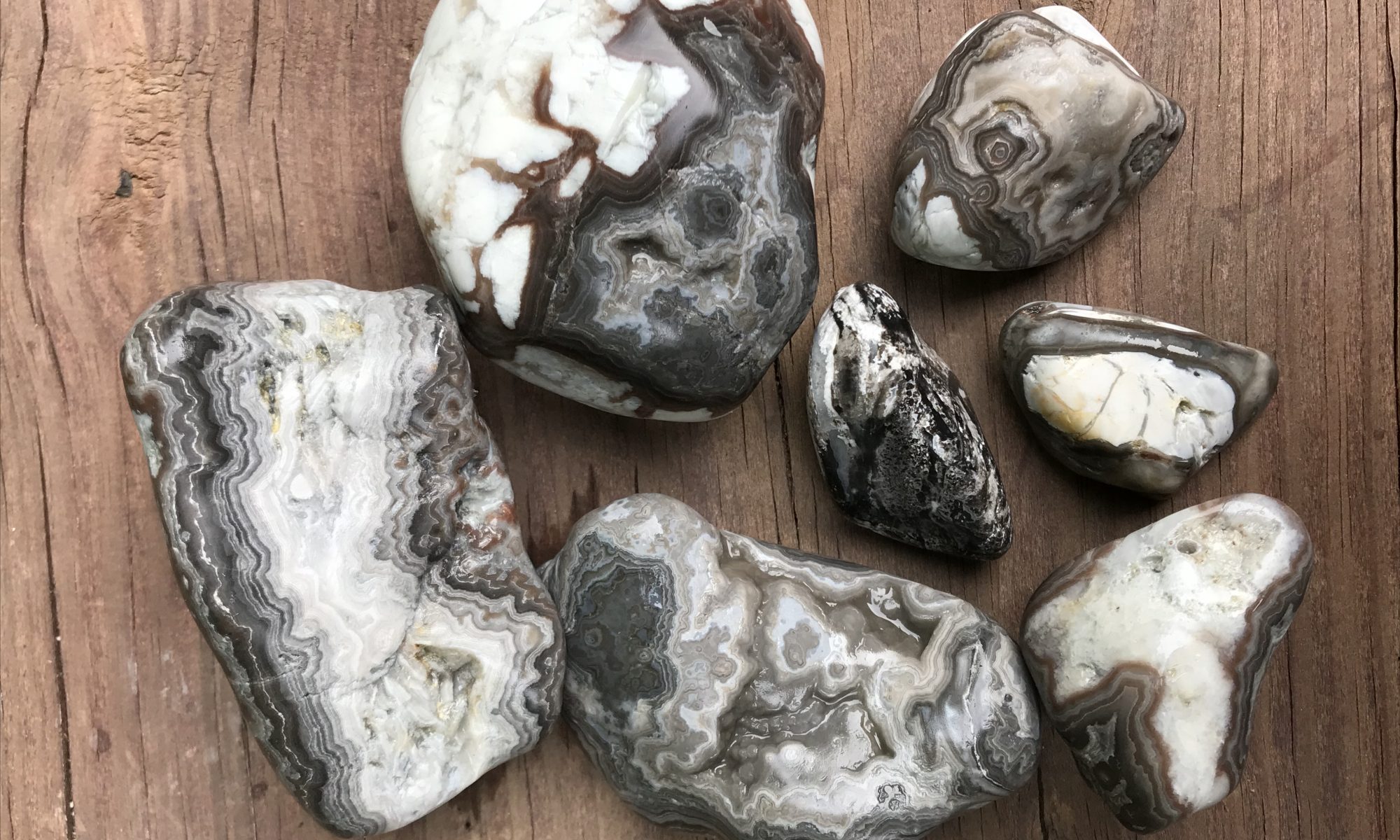
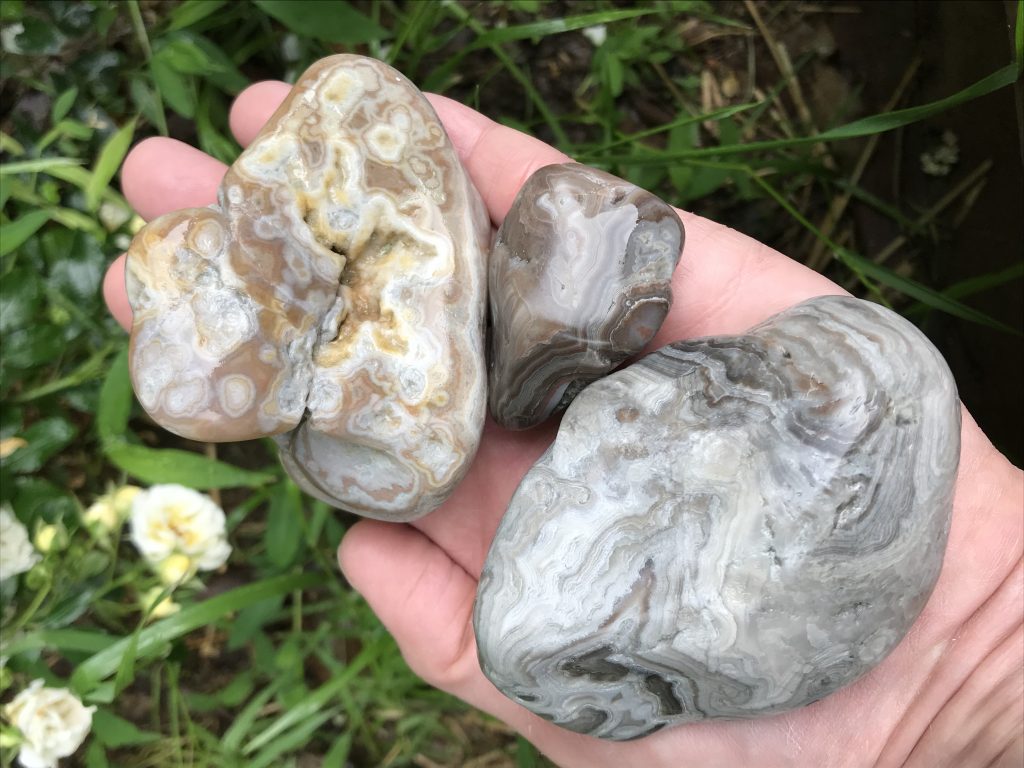
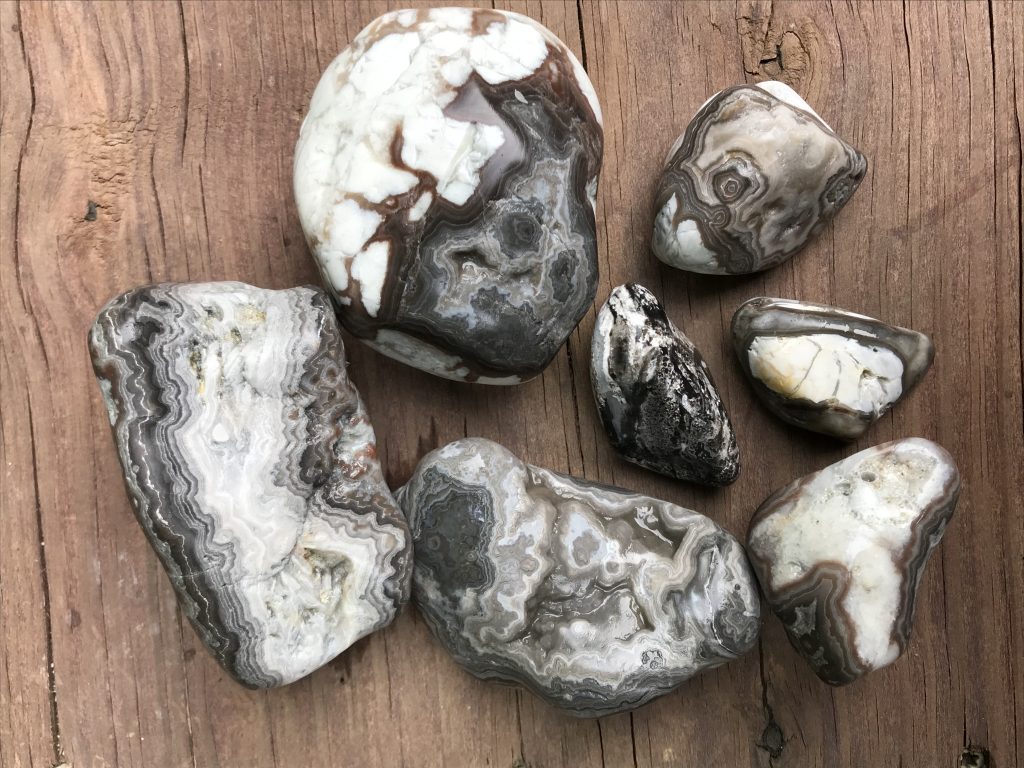
Summerville Georgia lace agate

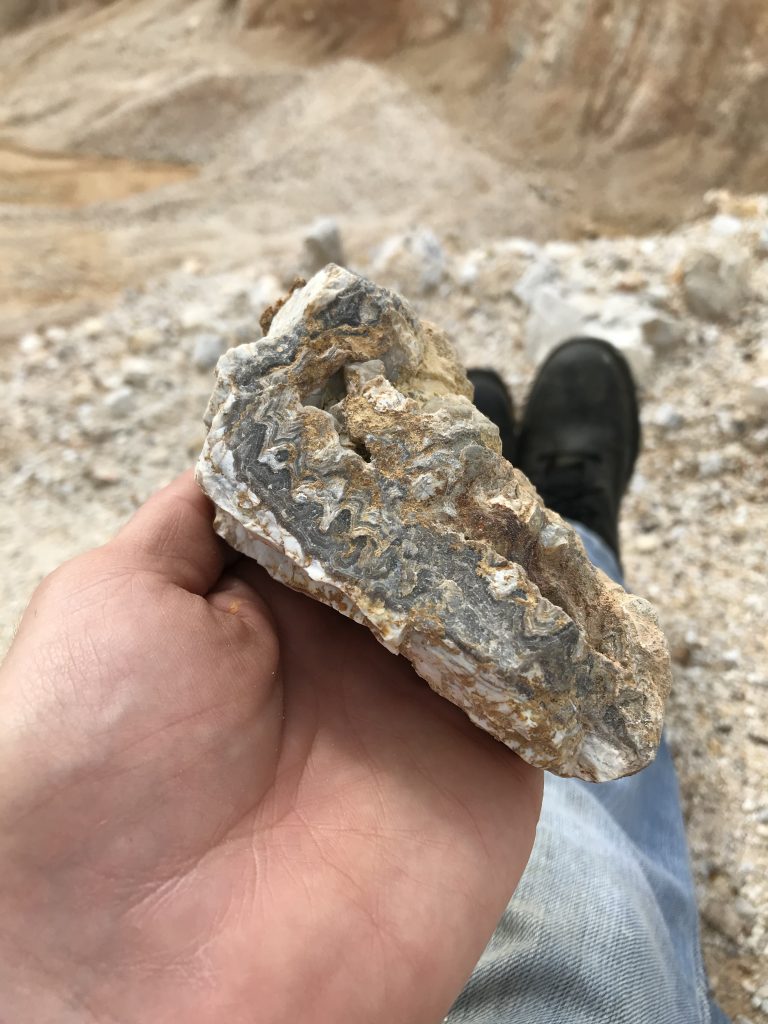
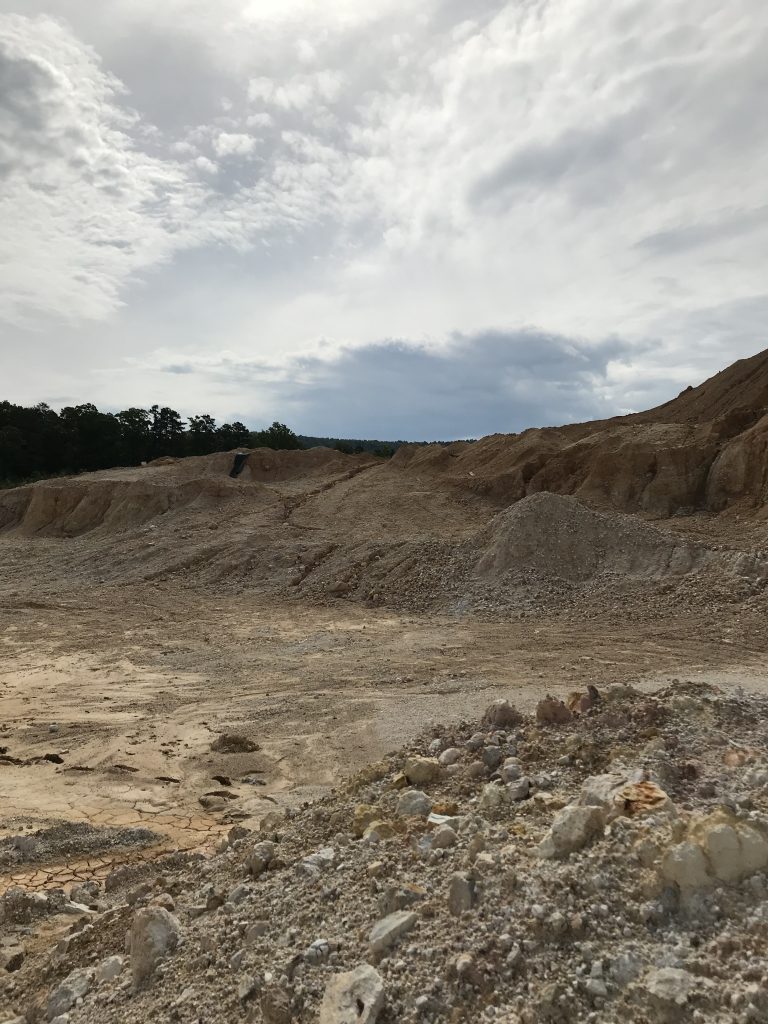
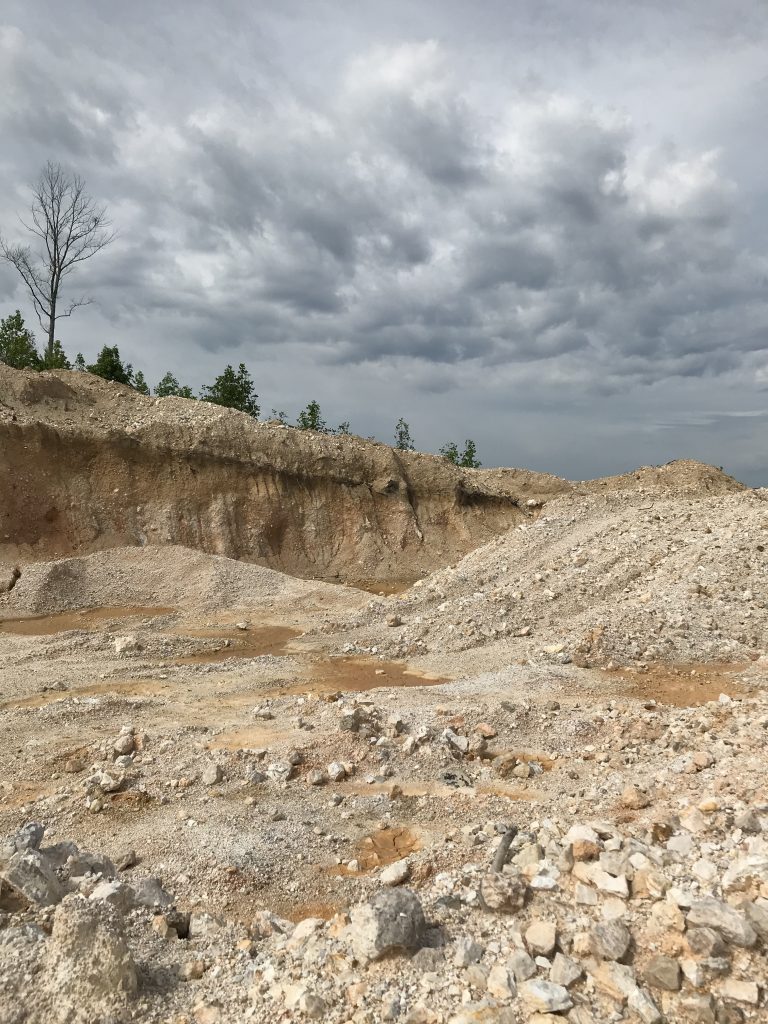
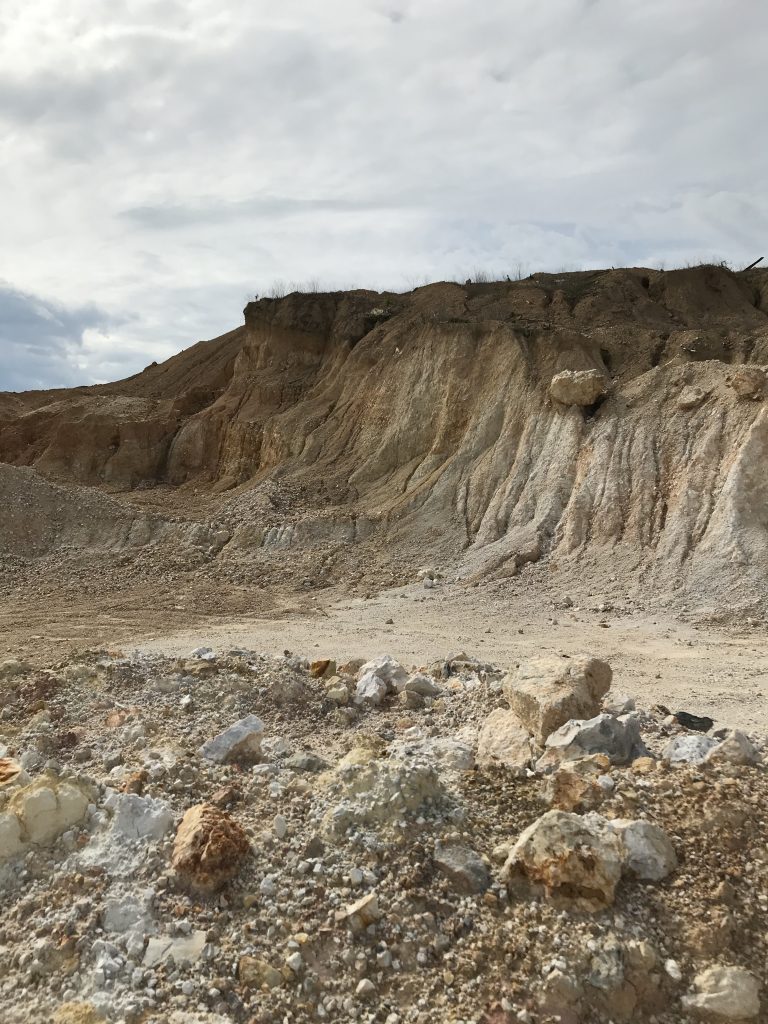
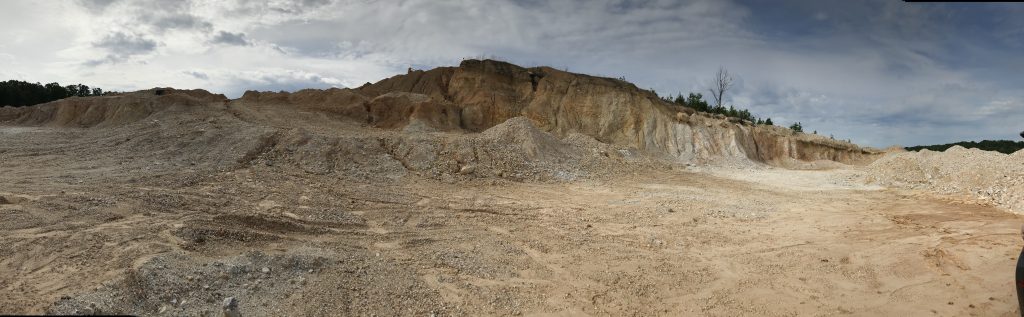
Through one of the gem and mineral clubs to which we belong, we were invited to rockhound for lace agate, banded agate, moss agate, and druzy quartz from a private mining site near Summerville, Georgia.

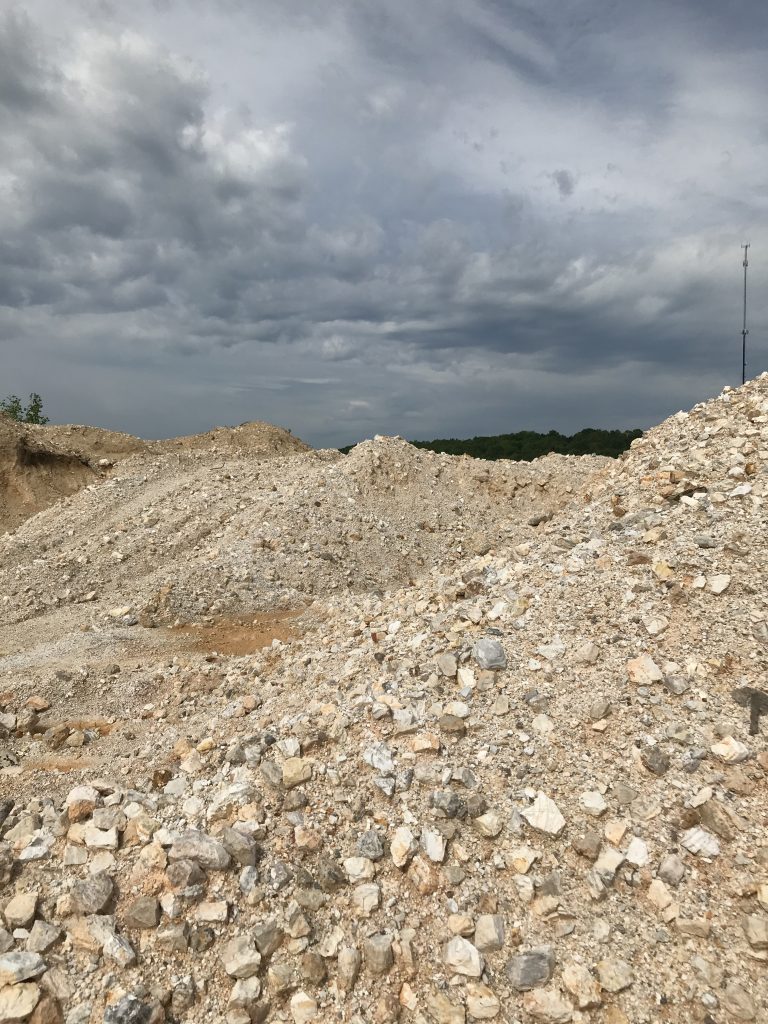
I arrived and was lucky to have the entire mining area to myself except, over the course of the morning and afternoon, 2 different couples stopped by to collect agate, and a family was out on a rockhounding trip.

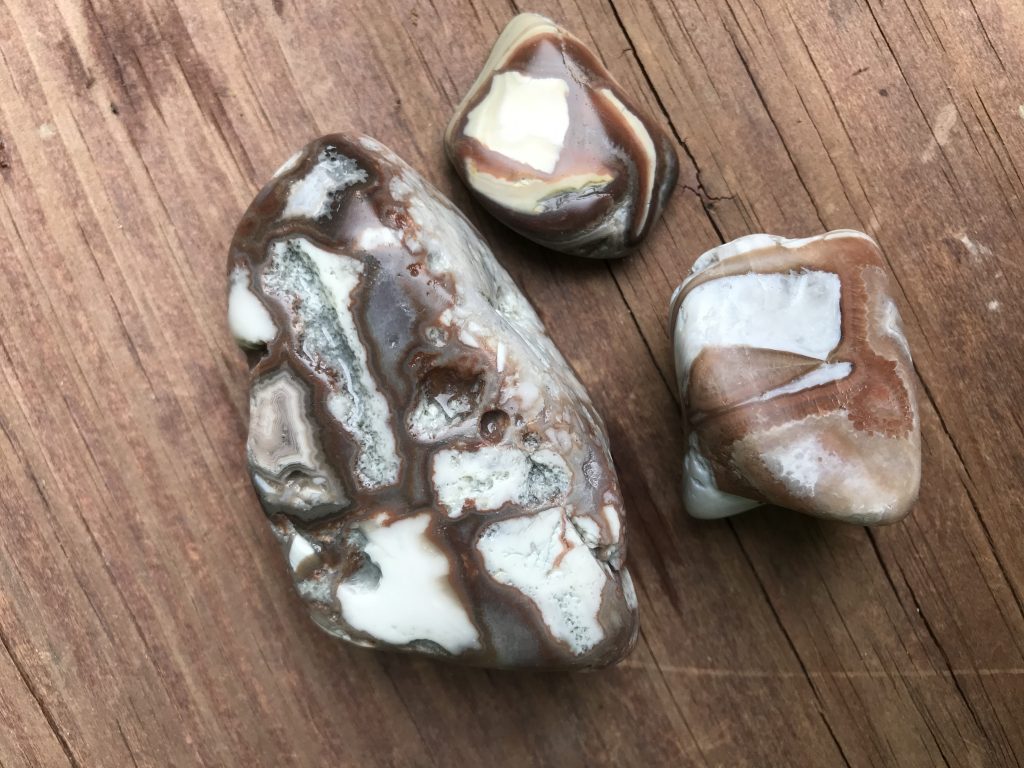
American Geode takes that attitude that if you can, take a lifetime supply. We filled up every bucket and bin we brought, and also picked up many large and heavy agates. The stone was plentiful. The only time we used our tools was to break apart a behemoth stone into more manageable sections. We found moss agate, lace agate, banded agate, and our favorites had druzy quartz pockets.

The beauty of these stones were not easy to see without being splashed with a little water, but we ran out of water, so started collecting more than enough to overcompensate as we expected to have some stones better suited for the garden. On a recent gem and mineral meeting over Zoom, when I was showing off these fine agate specimens, I learned that the agate, and the stone formation containing covers a lot of Northwest Georgia, even into Tennessee, but it is on private land, or federal park land, so not available or accessible to the general public.

This agate tumbles well, but it loses a lot of surface area during the tumbling. It is beautiful however, and we are sure that a cabochon or lapidary person would have even more fun with this agate.

We are selling this agate here: https://www.ebay.com/usr/americangeode

Gardening Benefit for Cabochon and Rock Tumbling Rockhounds

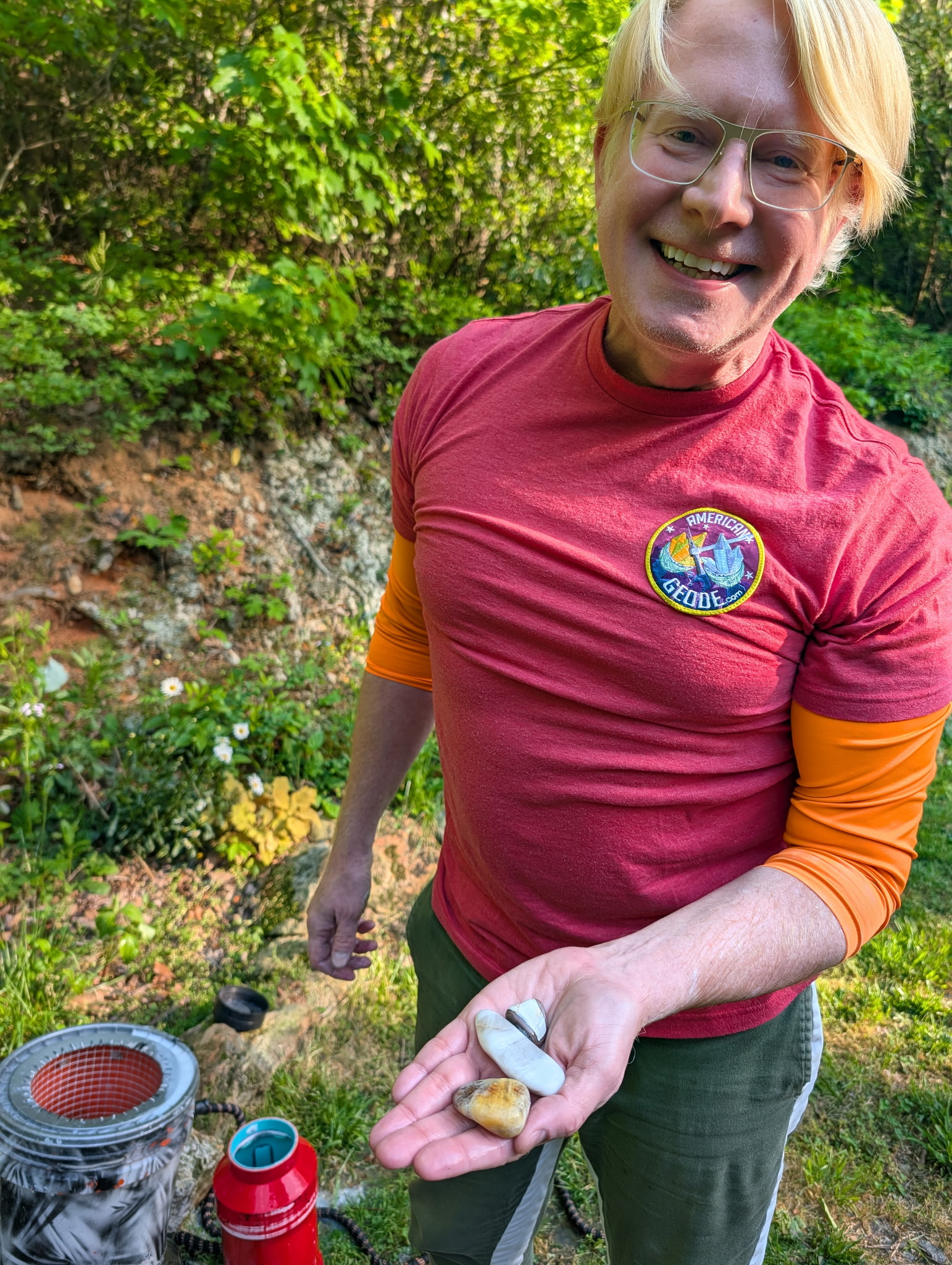
We have been tumbling North Georgia river stones, and most recently the Summerville Agate, in a 20lb barrel from MJR Tumblers. Each stage of tumbling takes about a week, and at the conclusion of each tumbling stage, I have been dumping the grit and the agate and river stone grit into the flower garden. The flowers LOVE IT! The rose bushes are more plentiful than ever before, and deeper colors than they were last year. One small rose bush that was red last year, was almost tie-dyed looking with streaks of white. The red impatiens are now a shade of orange. The mint and parsley plants are overgrowing! While this is not fertilizer, I can only guess the plants appreciate this concentrated mineral content in the otherwise mostly red clay soil. After I do dump the tumbling grit sludge into the garden I dilute it, and that happens naturally because I need to clean the tumbling barrel before the next stage, and also need to rinse thoroughly the stones before starting the next tumbling phase, or polishing phase, so I am hosing down the barrel and stones over the garden too, and that helps dilute the sludge and make it run over more of the garden to be soaked up.
I am sure that the sludge mix from a cabochon workstation would have the similar effect on your outdoors flowering plants. Never dispense of tumbling or cabochon grit down a drain, and no never, dispense of that valuable mineral sludge, but add it to your garden. For any questions about gardening, or rock tumbling, feel free to contact Charles at charles@americangeode.com.


Hope this is helpful!