Gem and Mineral Clubs can Recruit More Members!

American Geode

How Gem and Mineral Clubs can Recruit More Members
American Geode team members have the good fortune of being members in good standing with many different gem and mineral clubs from New York to Pennsylvania, Vermont to Texas. We have also been vendors at many shows hosted by gem and mineral clubs, and supporters and buyers to even more different shows organized by gem and mineral clubs throughout the US and Canada.
In addition to gems, minerals, geodes, fossils and rockhounding, American Geode has decades of experience in SALES. With this essay, we would like to share tips, tricks and advice for gem and mineral clubs to recruit brand new members!
1. Less is More! We have been to many gem and mineral club tables at various shows, and while giving gifts to prospective members is a nice gesture, usually it’s too much too early. The result can backfire on you! The person has just arrived to the show, they don’t want right from the start to be carrying papers and flyers and bulletins and free sample minerals. That does not create a desire or need for that person to join your club!
Instead, try these steps:
a. Upon introduction, ask the prospective member what his or her interests are? Is it education and lectures? Is it field trips? Is the interest purely social? Find out WHY the prospect may want to join your club so that you can offer them a SOLUTION! Take notes. Are they interested in rockhounding field trip, fellowship or education? Tell the prospect to “Enjoy the show, and be sure to stop by before you leave to learn more about the club.”
2. Don’t “hot box” your prospective members when you meet them! The term “hot box” means expending undue pressure on a person to join your group or affiliation. To the person being “hot boxed,” they will call it a “turn off.” Again, “Less is More.” Educate the prospect about the club, ask questions, that shows mindful and sincere interest in them and will appeal to them, and then “hook” them on the return visit. While the prospective member is touring the show and dealers, plan and prepare a relevant gift, relevant information and means to sign up when they exit the show. For instance, if the prospect says they are interested in rockhounding, have your field trip leader or officer, or someone who has been a frequent field trip rockhound, talk to the prospect about the last trip. Have a schedule planned for the upcoming trips to share! If the person is interested in lapidary and jewelry, be ready to discuss access to equipment if that is a benefit of your club, or discuss the other members who are lapidary experts and how often your meetings are about lapidary. The trick is to make the conversation relevant. While your club has many, many great things to offer, satiating and fulfilling someone’s rockhound or mineral need is going to sign up more users than sharing the other great, but irrelevant strengths your club has to offer.

3. How do you “hook” your new members? Prepare, prepare, prepare! When you meet them the first time, write down their name, note if they are with someone or their family. Be prepared to offer a family membership at the lower price point. Be prepared to sign up people THAT DAY! Have the forms ready, have plenty of pens, have pocket cash to make change if someone pays their dues with cash, and have someone be ready to take credit cards via Paypal device you can attach to your phone. Does your club offer on-line sign-up and membership? Then have a laptop ready for someone to sign up right there! Whether it’s retail sales, high-end luxury good sales, memberships to any organization, when people walk away, and you don’t get the sale, the chances of them returning to complete the sale later are as low as 5%. That would be a terrible shame when you have someone who is a “hot prospect” because they are at your club show!
With these “sales tricks” we know you will succeed!
Gilsum Rock Swap and Mineral Show 2018

Mineral Show
Mineral Show
Mineral Show

Gilsum Rock Swap and Mineral Show, sponsored by the Gilsum Recreation Committee, attracts thousands of rock and mineral enthusiasts from across the country each year. The event, known for its scenic location and small-town hospitality, will take place on the weekend of June 23-24, 2018 at the Gilsum Elementary School & Community Center, 640 Route 10 in Gilsum, NH. All monies raised by this event go to community recreation programs. Admission is free, although we do accept donations.

This year’s event includes a special presentation by mineral hunter and geologist Nancy Swing. Don’t miss “Rock-Hounding in New England,” Saturday at 1:00 PM in the auditorium, when she will share her own experiences rock hunting at key sites in the Northeast. Swing is the owner of Natures. She began collecting at the age of three, and is a regular speaker at rock and gem shows. This presentation is free.

Other events include our annual ham and bean dinner with homemade pies, a chicken barbecue, and panning for minerals for the kids.
Show Schedule: Saturday
8 AM Exhibits open

8 AM – Noon: Wholesome Foods Breakfast
10 AM – 2PM: Library books sale at the Library

1 PM: SPECIAL PRESENTATION: Speaker to be determined.

4:45 PM: Annual Ham & Bean Dinner with homemade beans and pies! Three seatings beginning at 4:45, 5:45 and 6:45 PM at Gilsum Congregational Church. Tickets on sale at the Rock Swap Central information booth all day and at the church at meal time.
6 PM: Dealer exhibits close

Sunday
8 AM: Exhibits open
8 AM – Noon: Wholesome Foods Breakfast
Noon – 2 PM: Chicken Barbecue
10 AM – 2 PM: Library book sale 10:00 – 2:00 at the Library
4:00 PM: Show closes – See you next year!
Visit us on Facebook at GilsumRockSwap, where you will find photos from last year’s show, announcements for this year’s event and more!

Red Hill Fossil Discovery Part II


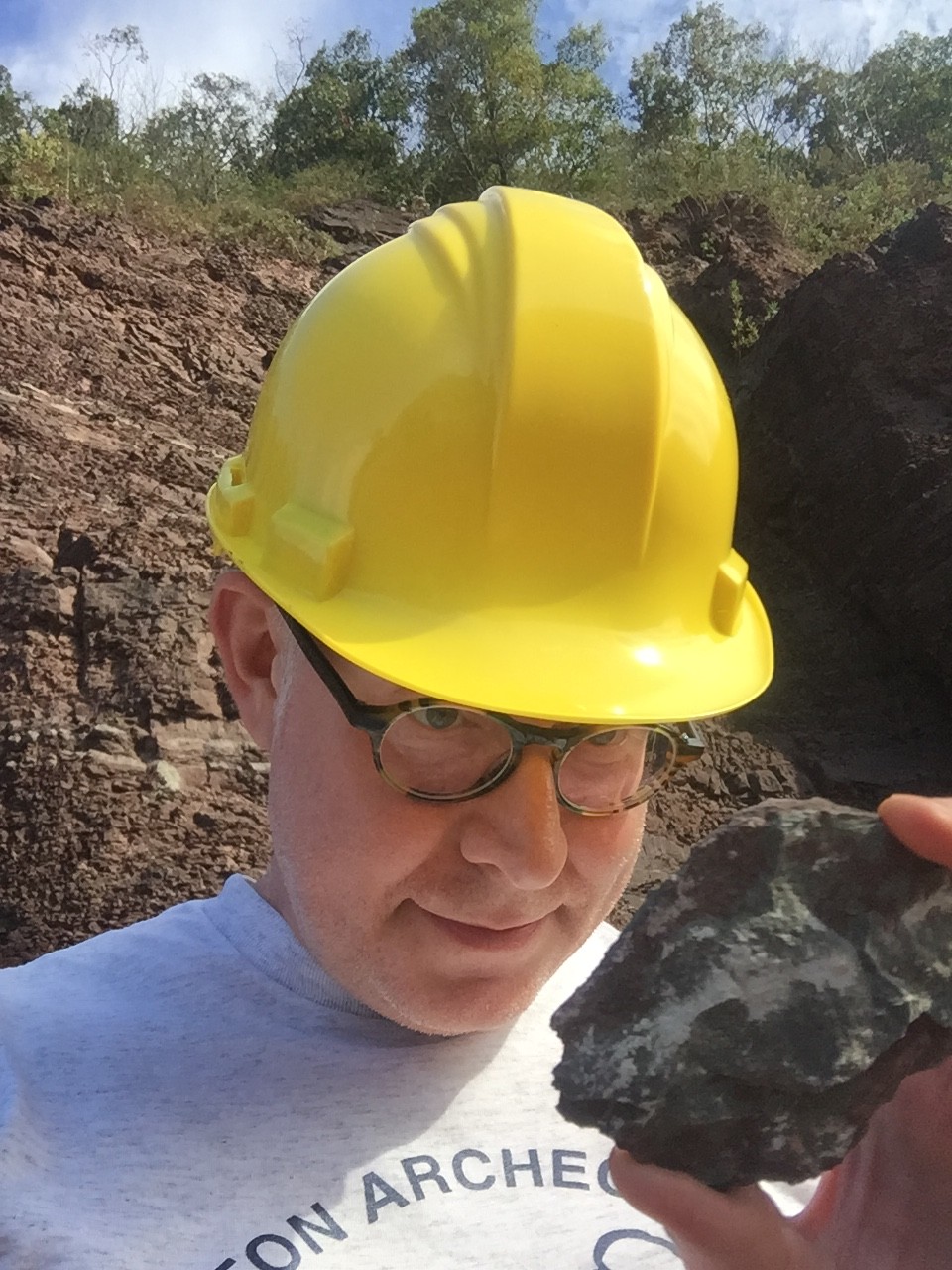
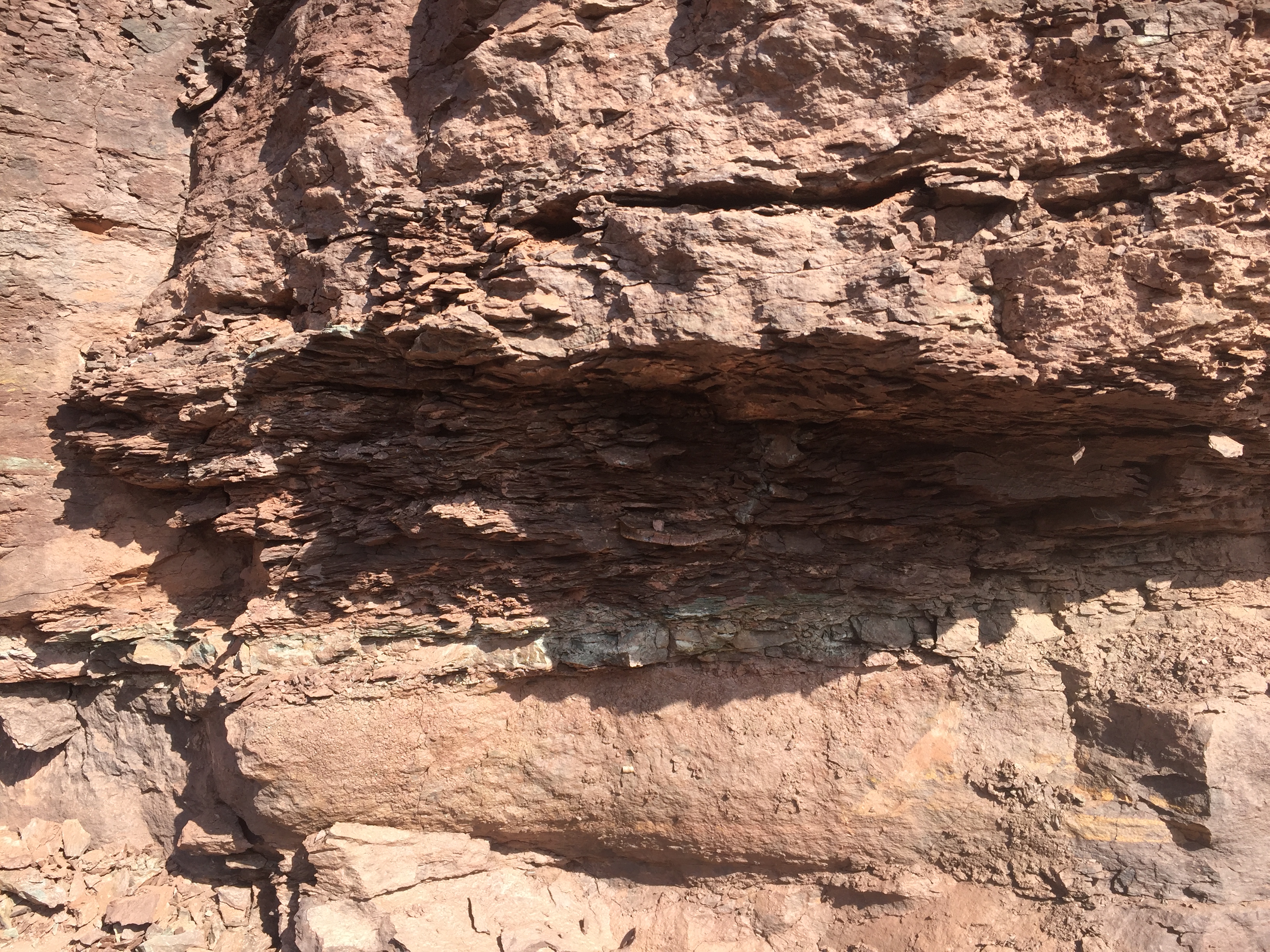
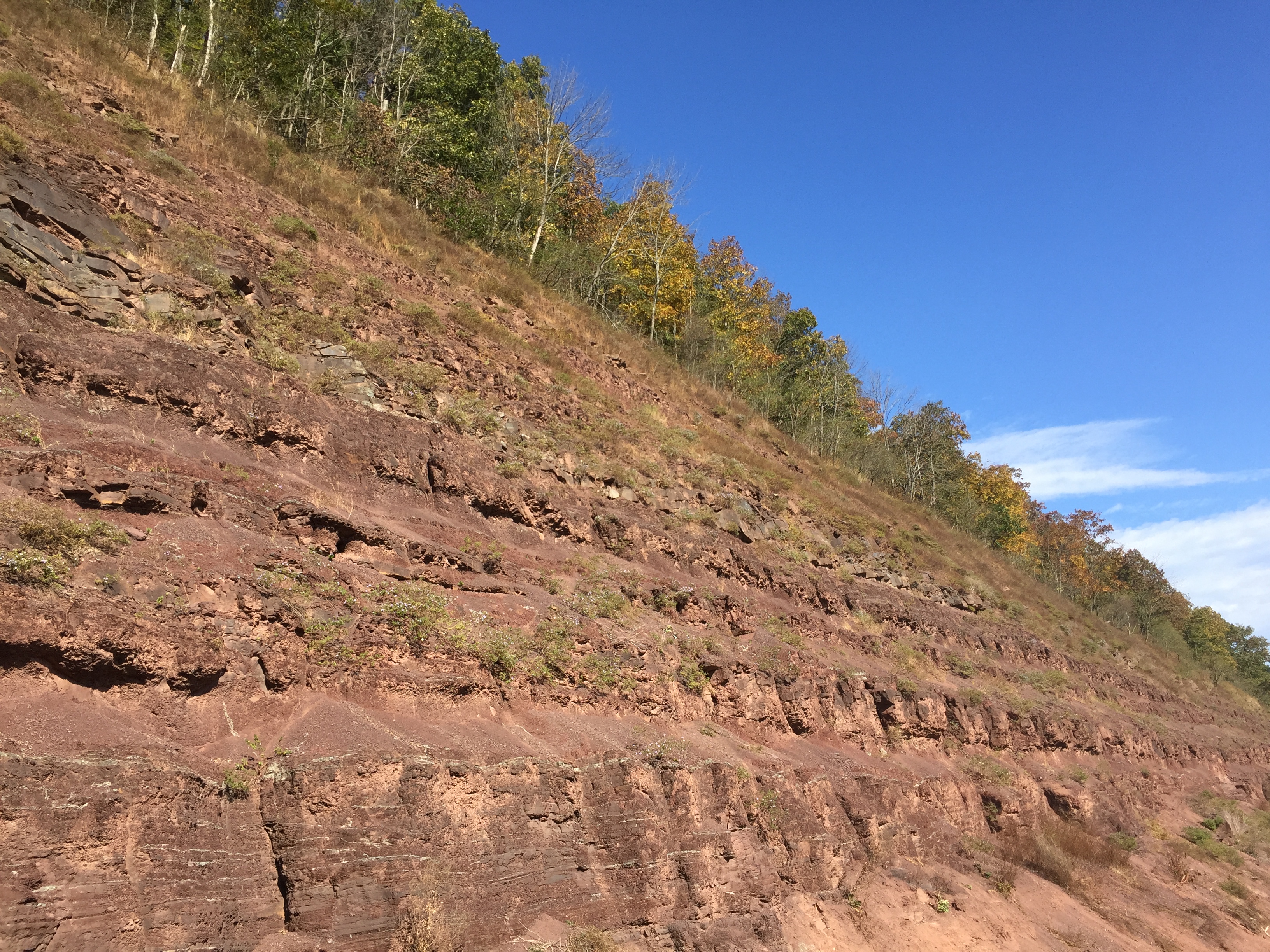
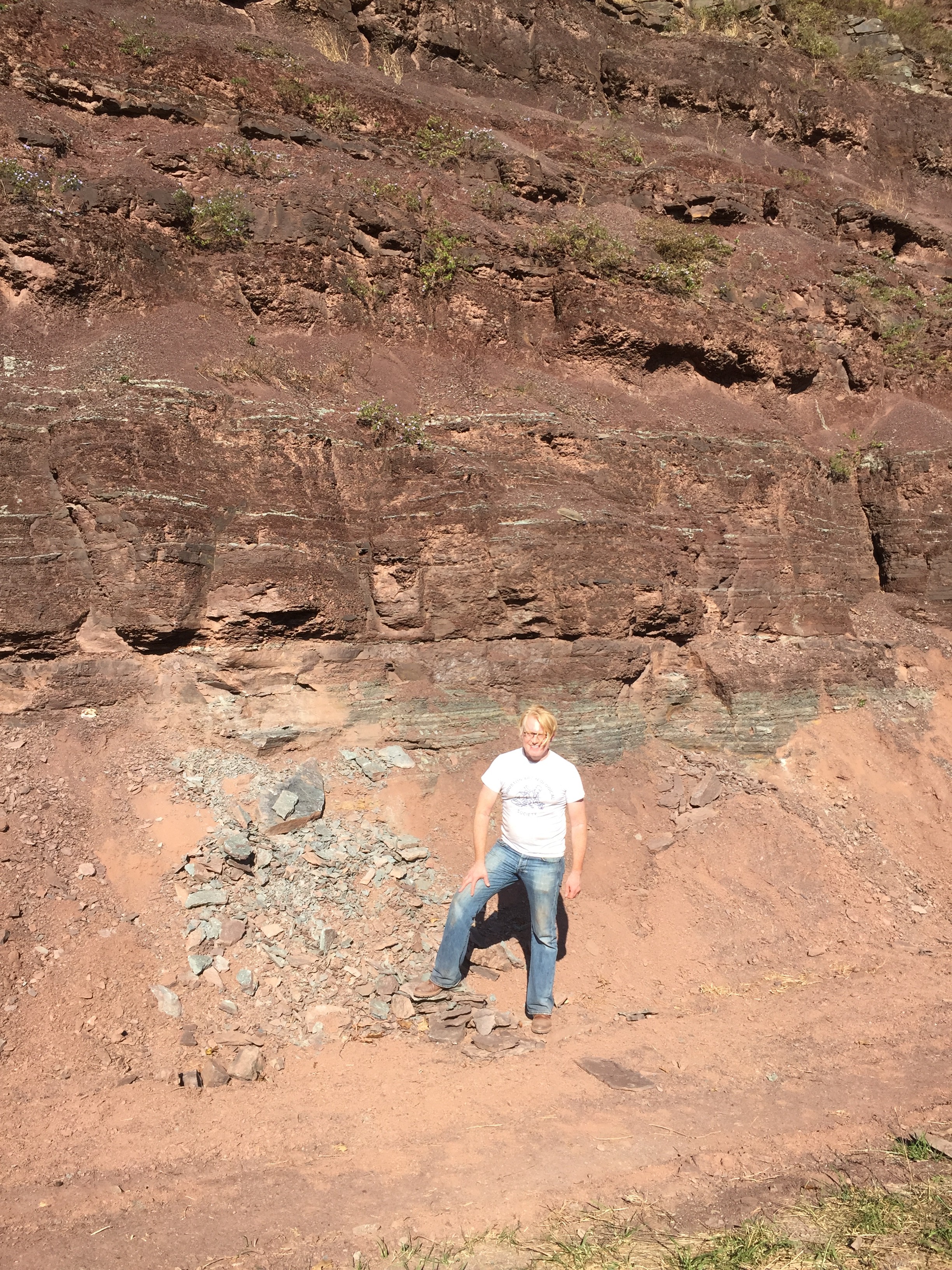
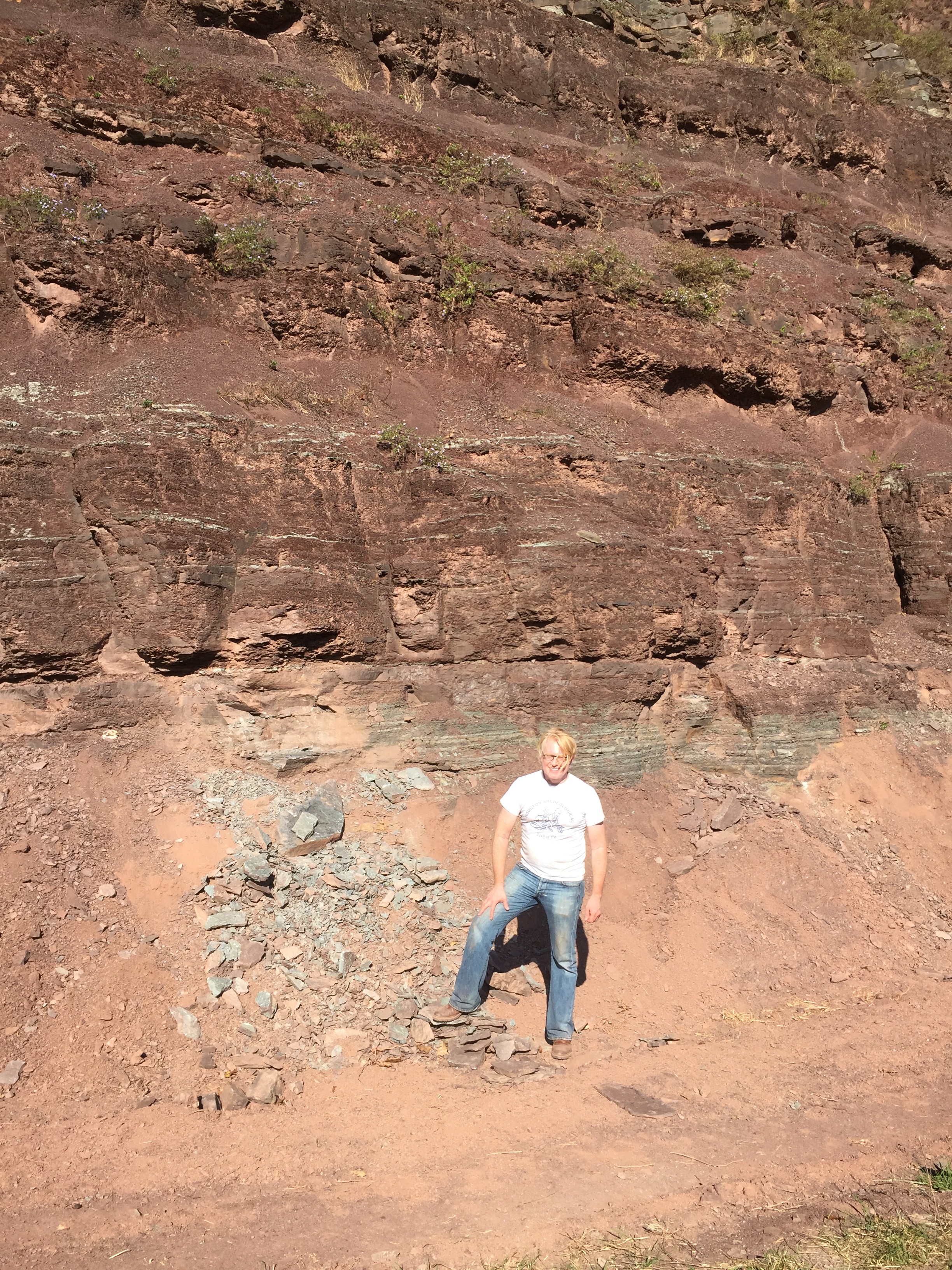
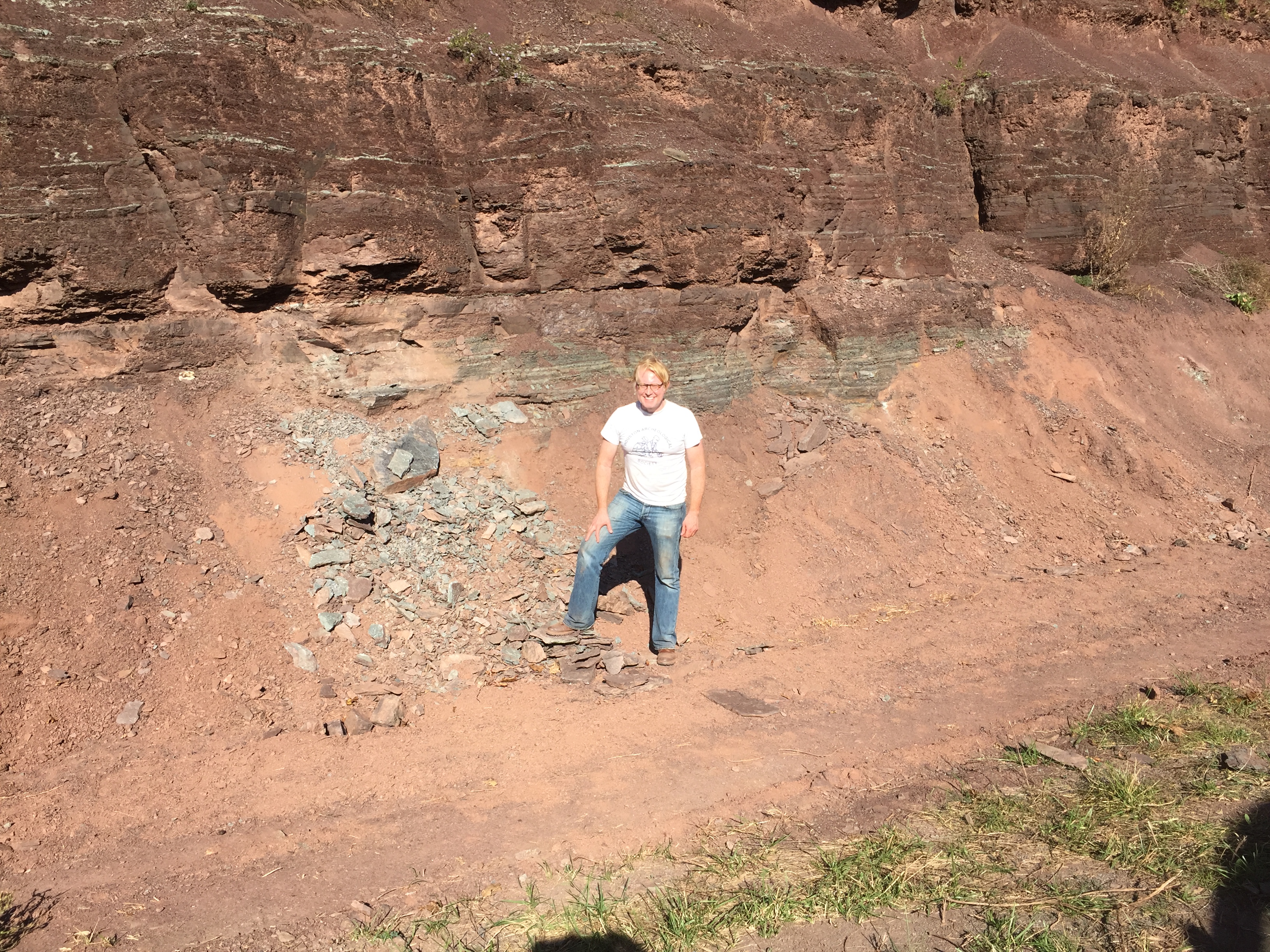
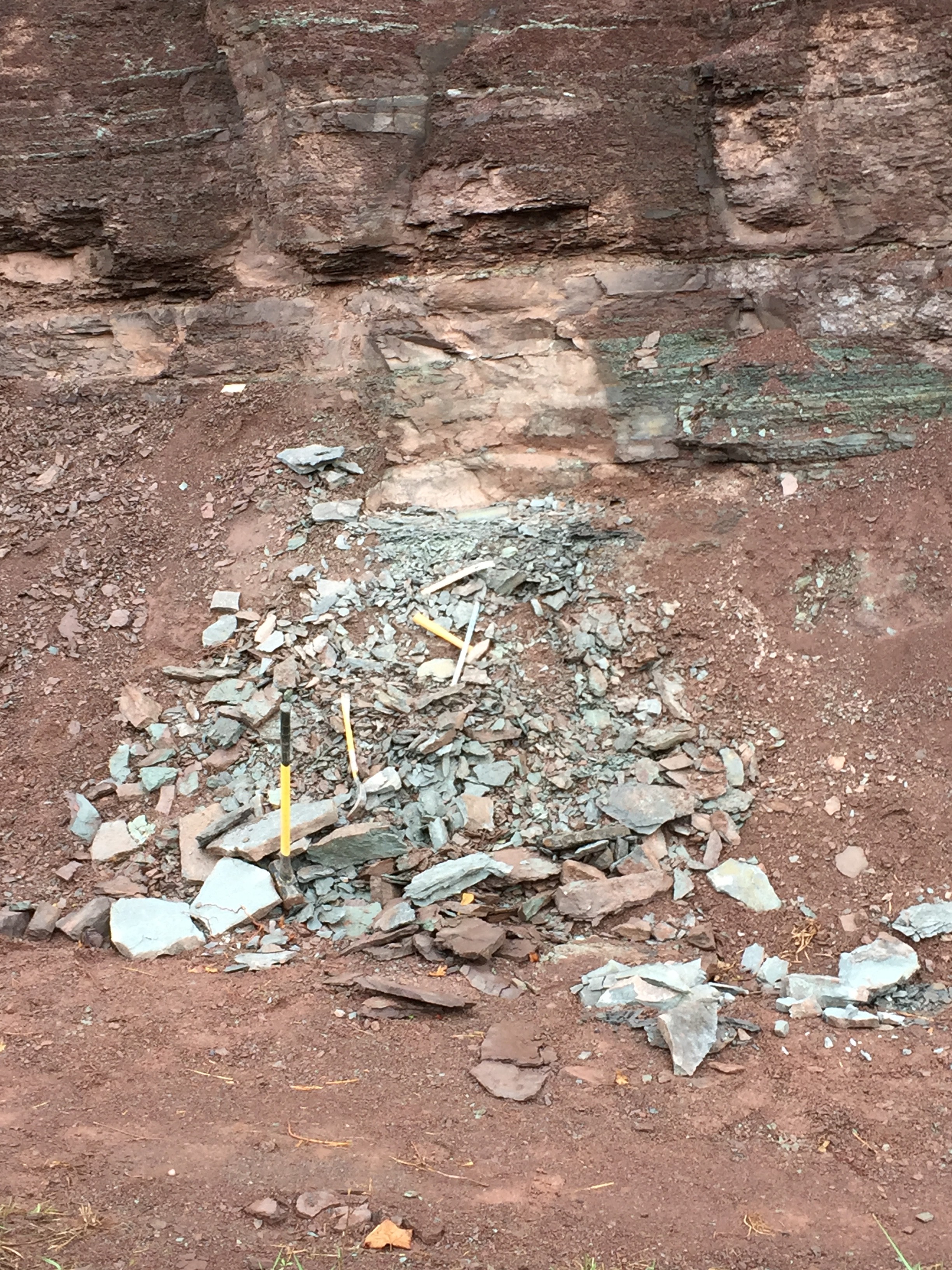
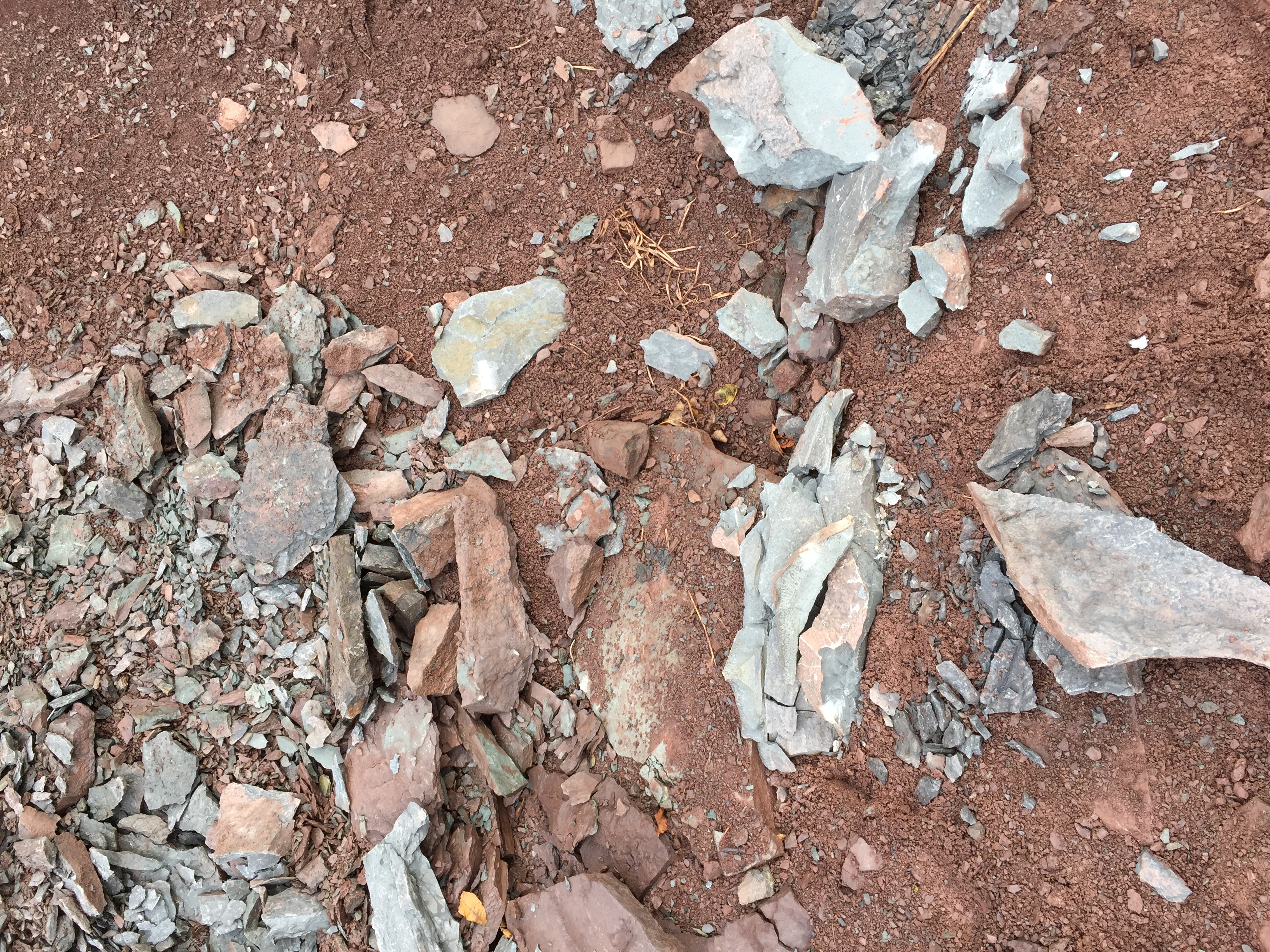
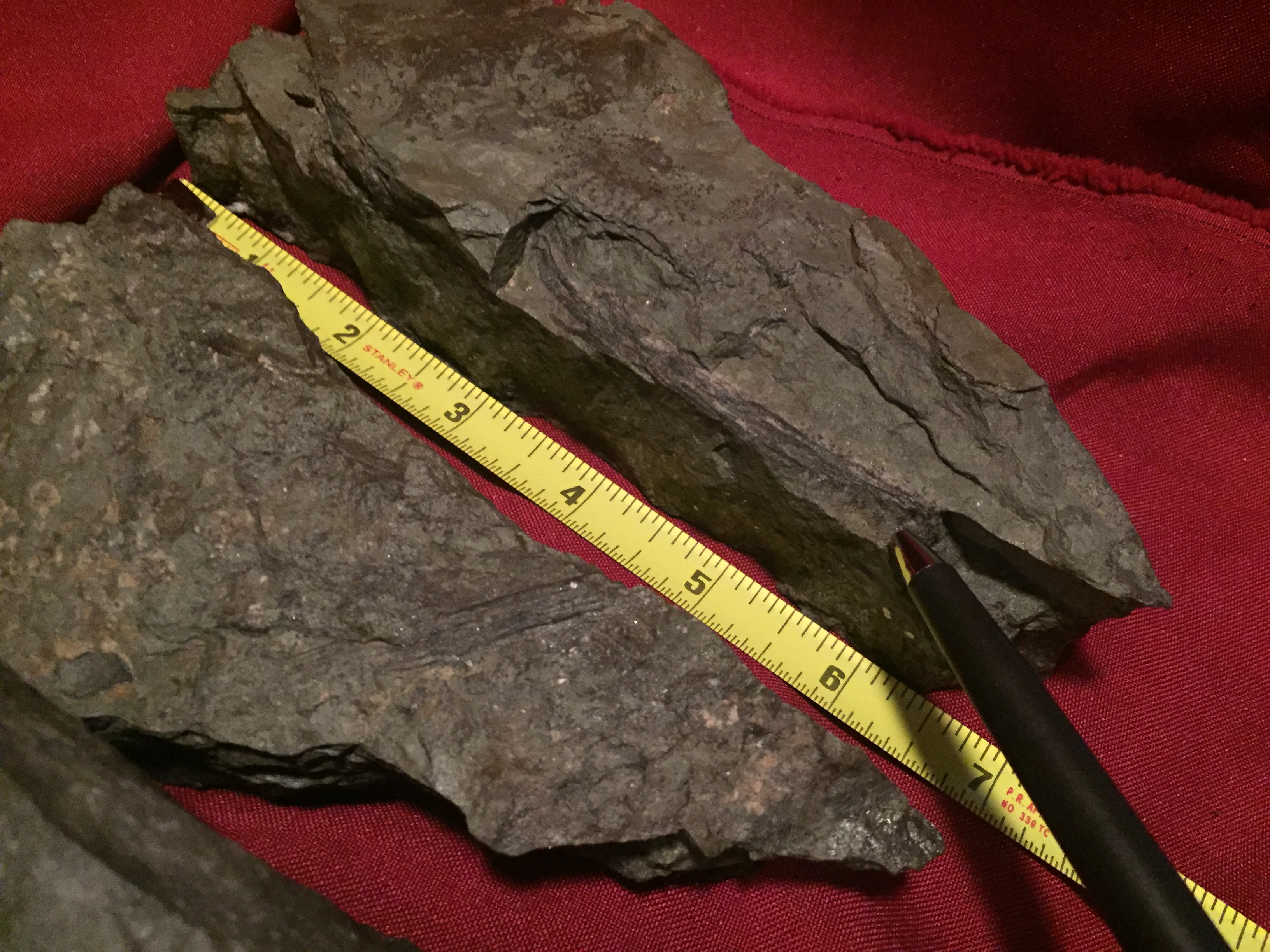
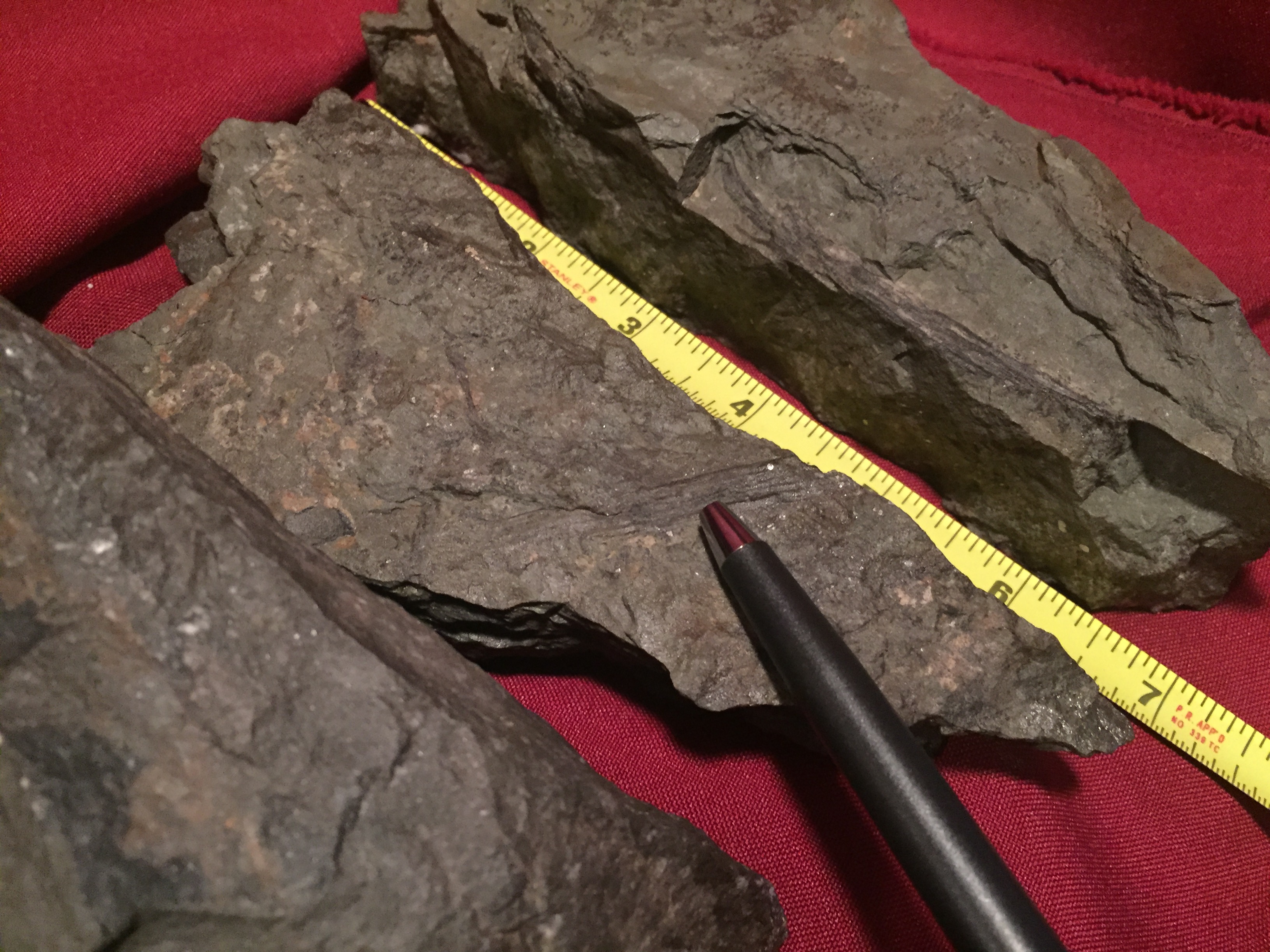
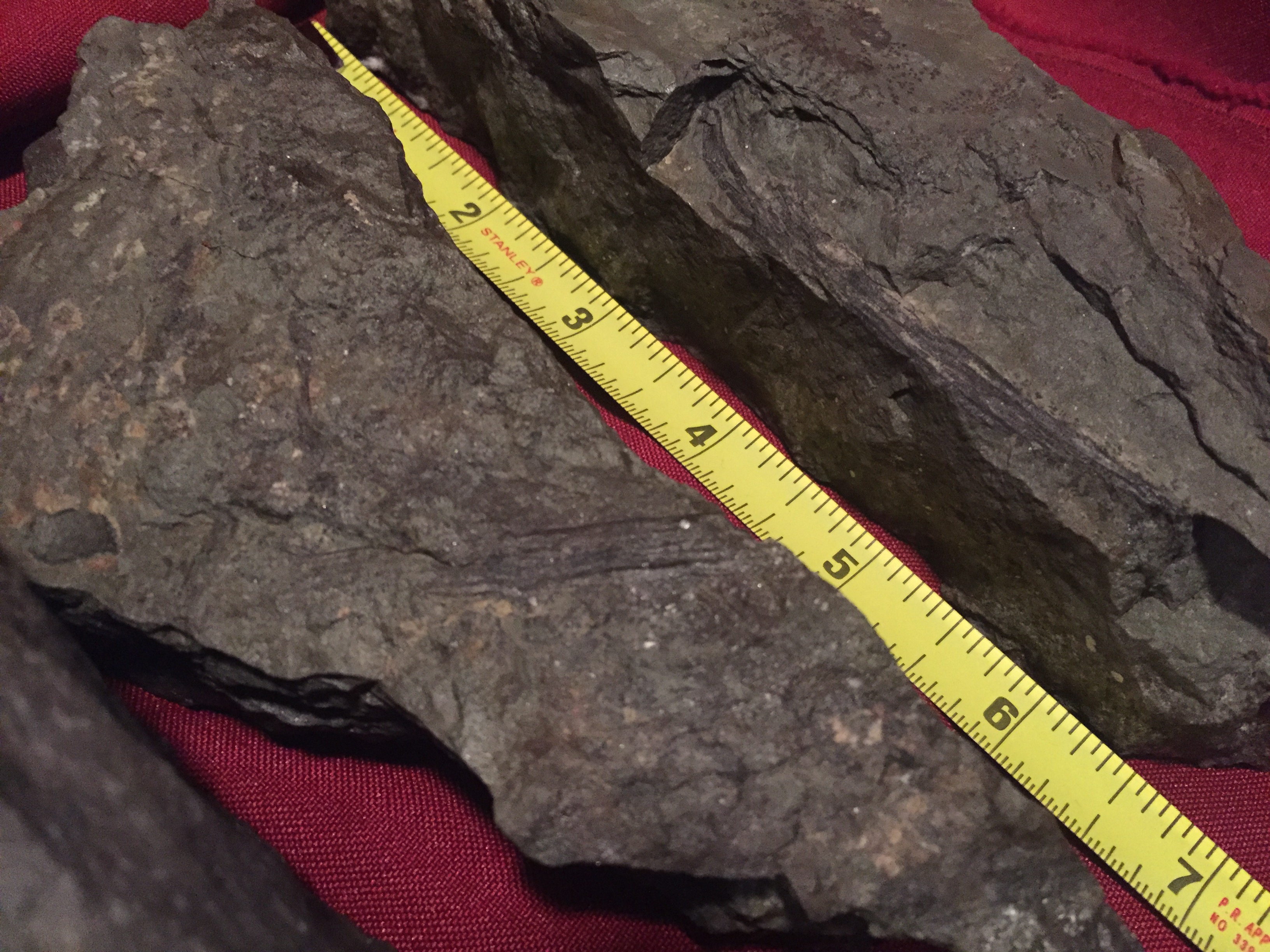
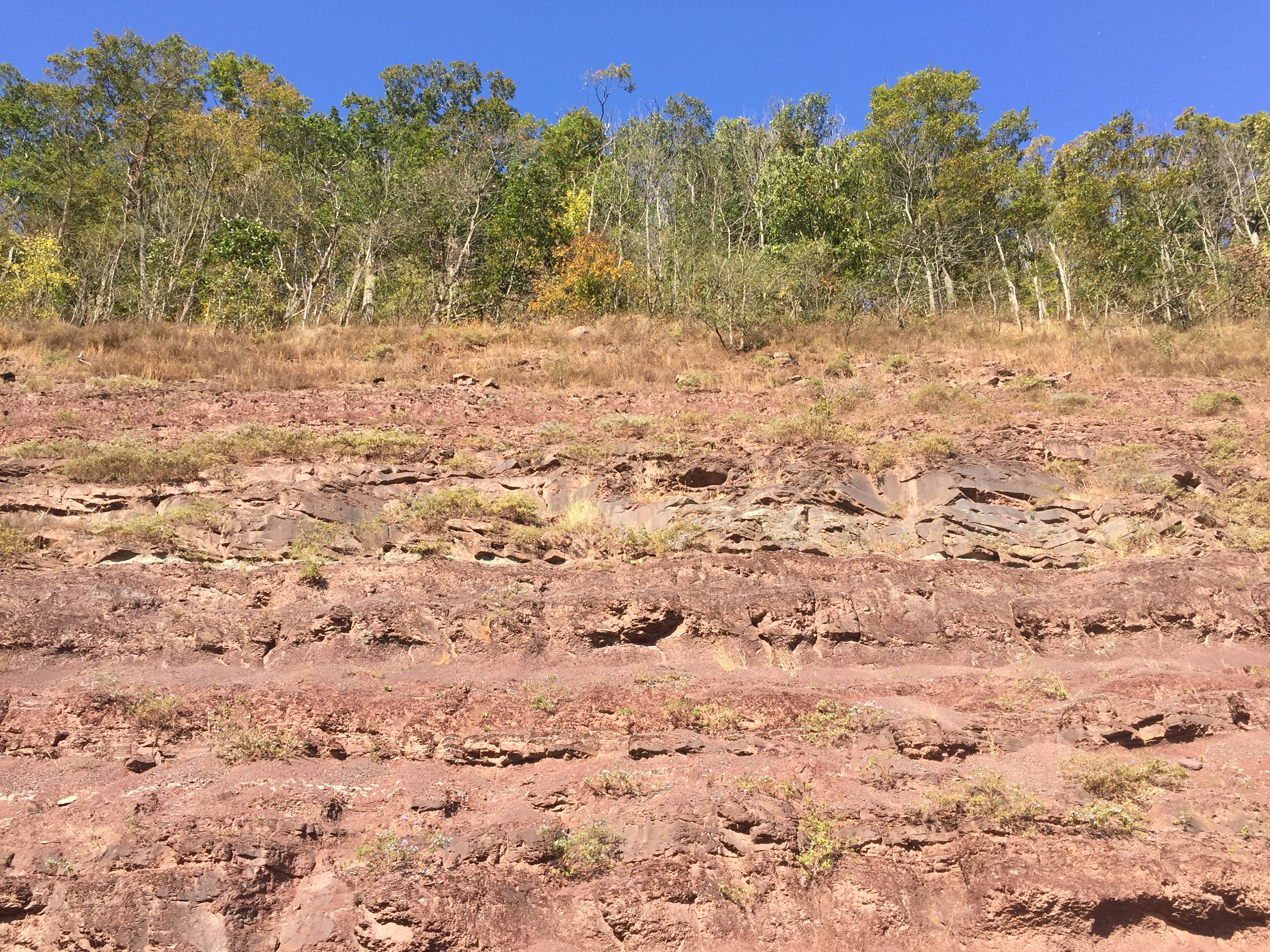
Later on Saturday, October of 2017, the American Geode team made it to the famous outcrop called Red Hill that is near Renovo, Pennsylvania and close to North Bend, Pennsylvania. Red Hill is the site of a very famous tetrapod discovery, one of the earliest tetrapods discovered in North America. The outcrop is very steep, and very dangerous. American Geode classifies Red Hill as an “advanced” or “expert” fossil site. Red Hill is managed by a volunteer group nearby who host and house a fossil and geology museum that American Geode was very lucky to view during a private tour later that day. You can see where boulders have fallen out of the cliff, shards of rock crumbled on the road nearby, and while we were there, occasionally a pea sized pebble to a golf ball sized rock would drop from the cliff.

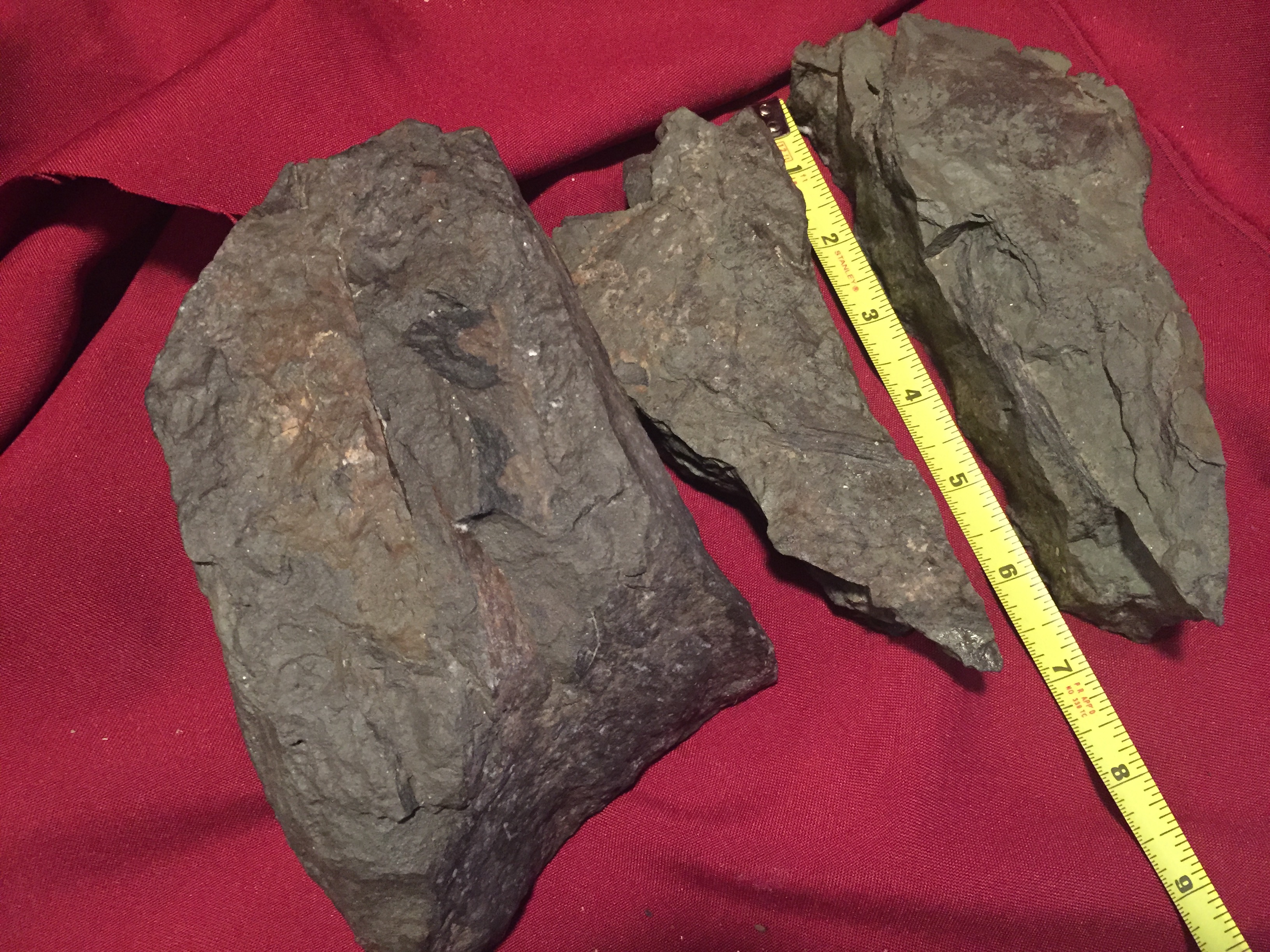
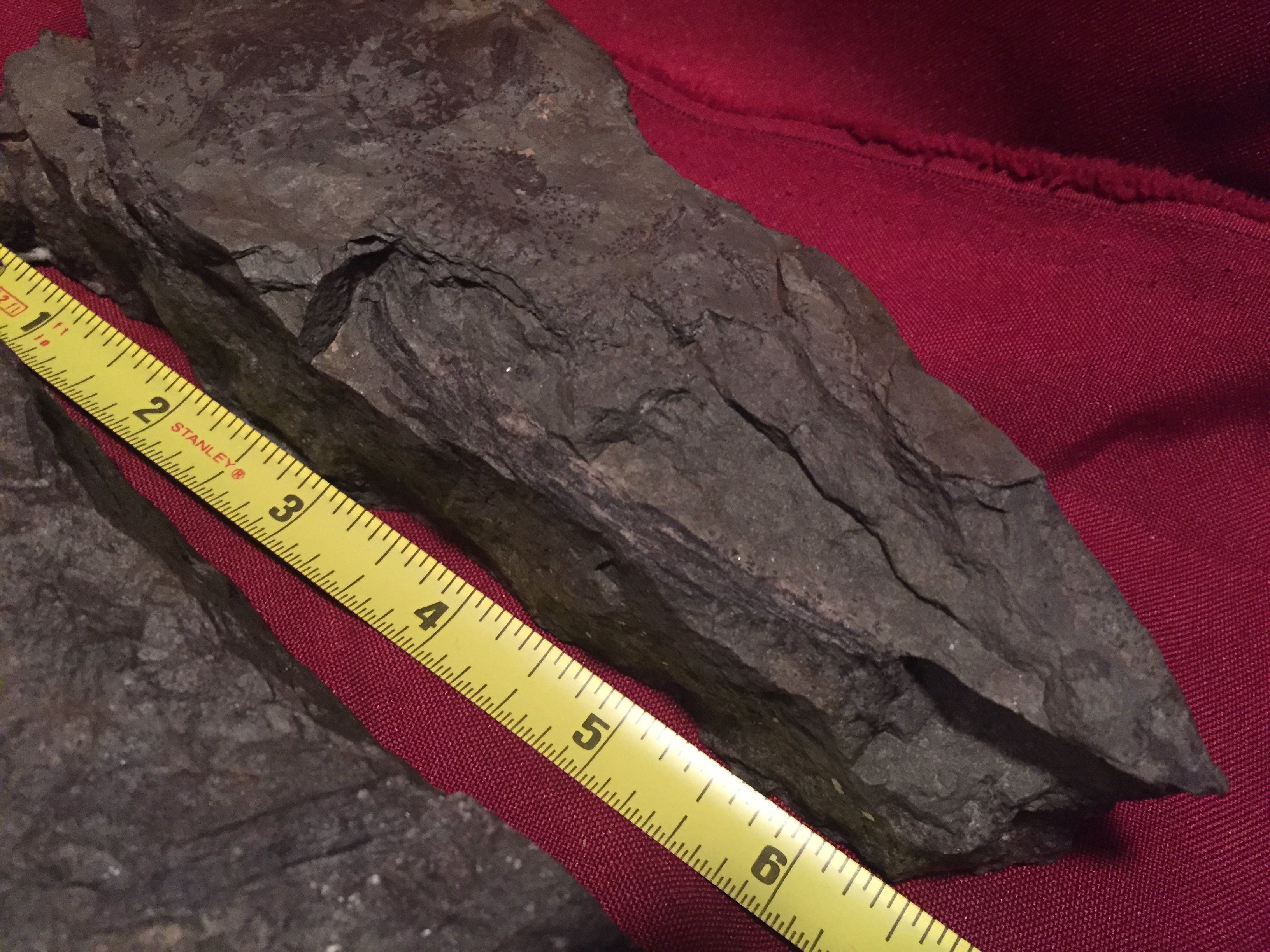
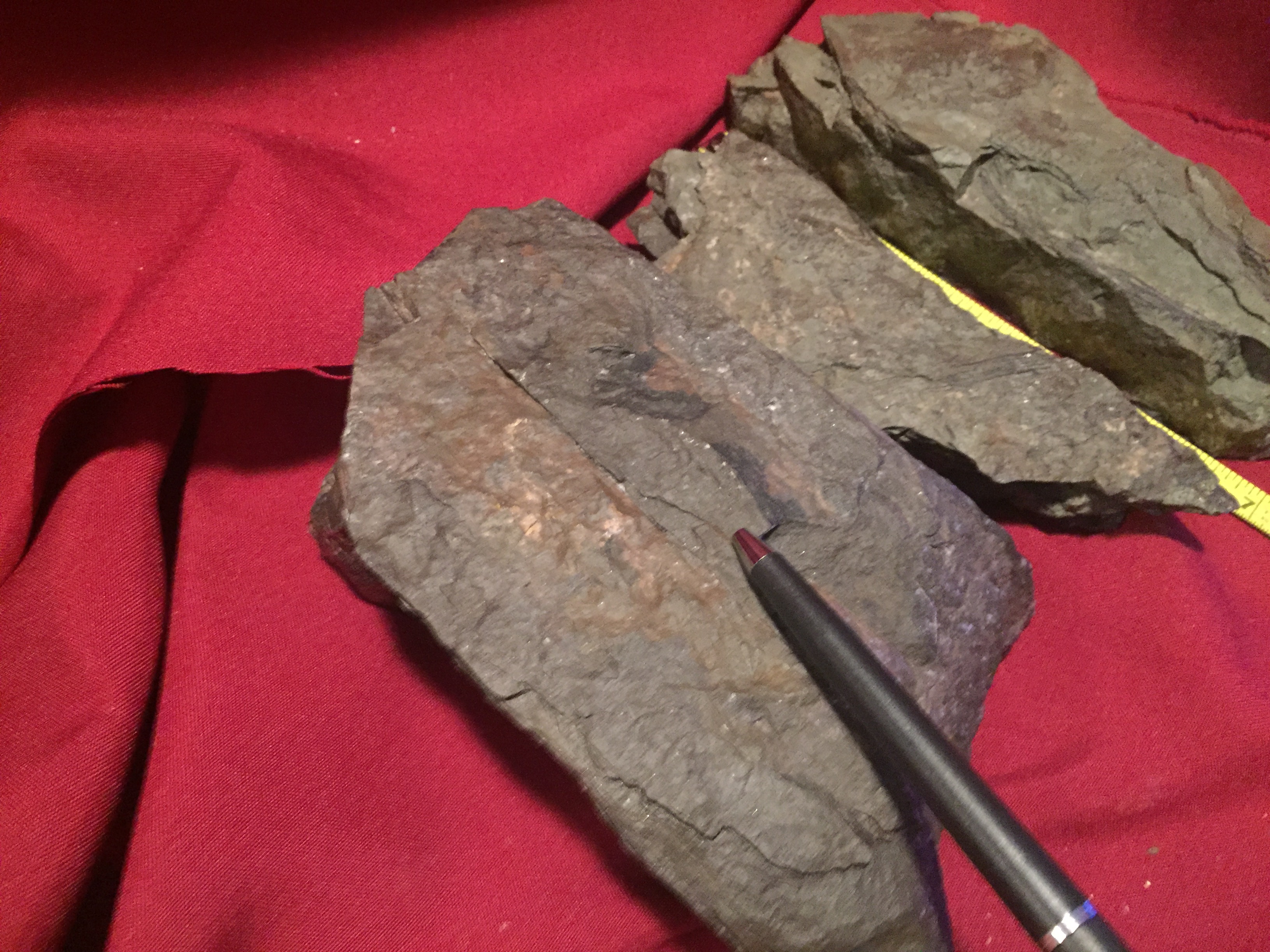
The fossils that one can find are Devonian plants, and if you are very lucky, one can find an insect, and if lightning strikes twice, once could find a tetrapod again. The American Geode team found many examples of Devonian Plants, but the rock is crumbly. When we brought the Devonian Plant fossils in matrix back to American Geode headquarters to clean up, we sprayed them with water sealant to help seal and protect the matrix.

We did not find any insects, but one of the rockhound paleontologists there described finding a scorpion one time!

If you have some time in the area, rockhounding or not, the museum nearby is a very educational and interesting experience. The museum information is here: https://www.facebook.com/RED-HILL-FIELD-STATION-AND-FOSSIL-DISPLAY-121627314538811/
*Call ahead to the museum! This is a volunteer staffed museum, so do not expect normal hours, and do not rely on information on their site. Call ahead!*

Here are photos of the Red Hill fossil trip and our Red Hill fossil discoveries! To see and purchase Red Hill fossils from the American Geode collection, go to our eBay store: https://www.ebay.com/usr/americangeode
Red Hill Fossils a

Red Hill Fossils b

Red Hill Fossils c

Red Hill Fossils d

Red Hill Fossils i

Red Hill Fossils h

Red Hill Fossils g

Red Hill Fossils f

Red Hill Fossils e

Red Hill Fossils j

Red Hill Fossils k

Red Hill Fossils l

Red Hill Fossils m

Red Hill Fossils n

Red Hill Fossil S

Red Hill Fossil R

Red Hill Fossil Q

Red Hill Fossils p

Red Hill Fossils o

Hyner View State Park


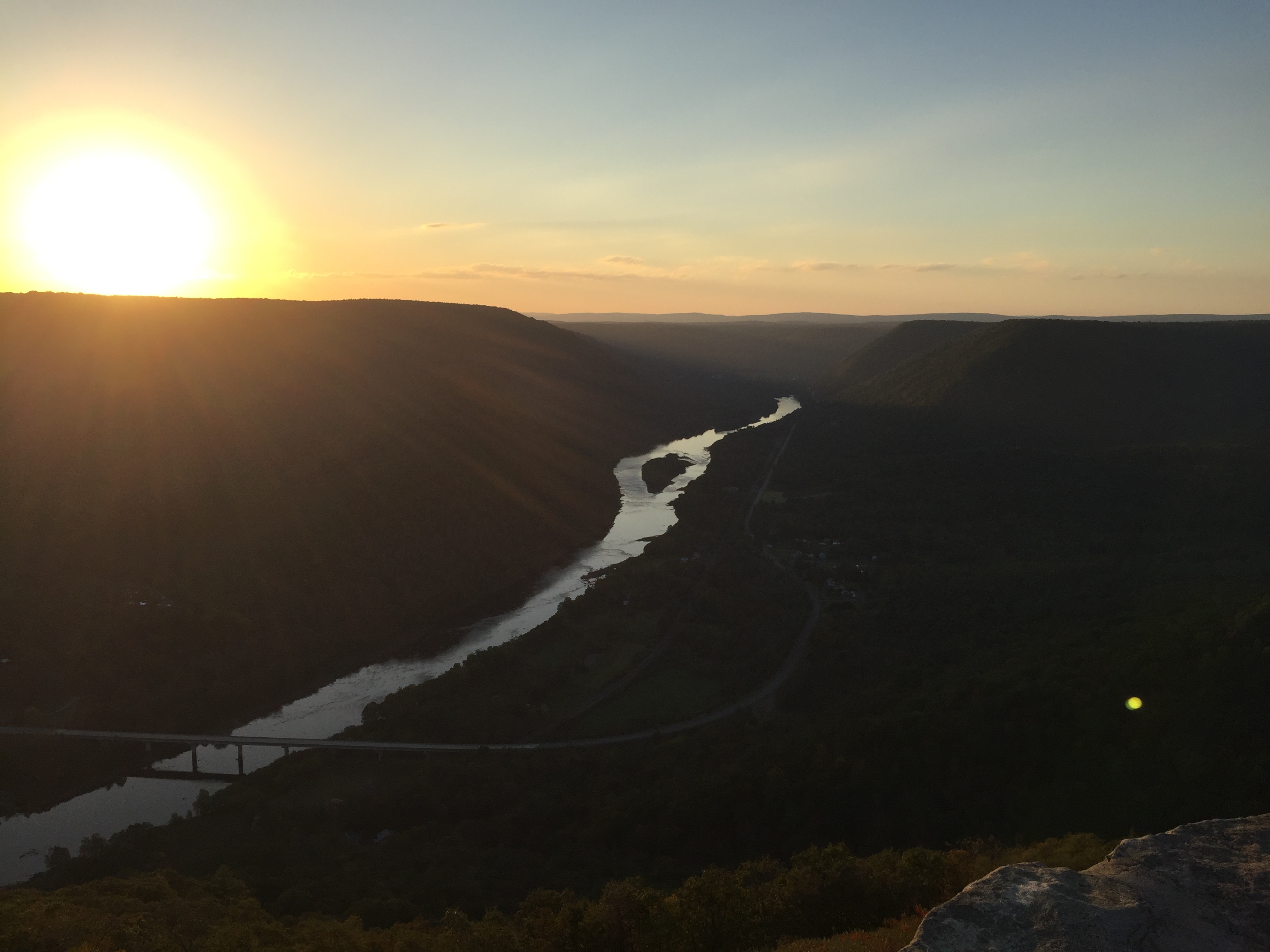
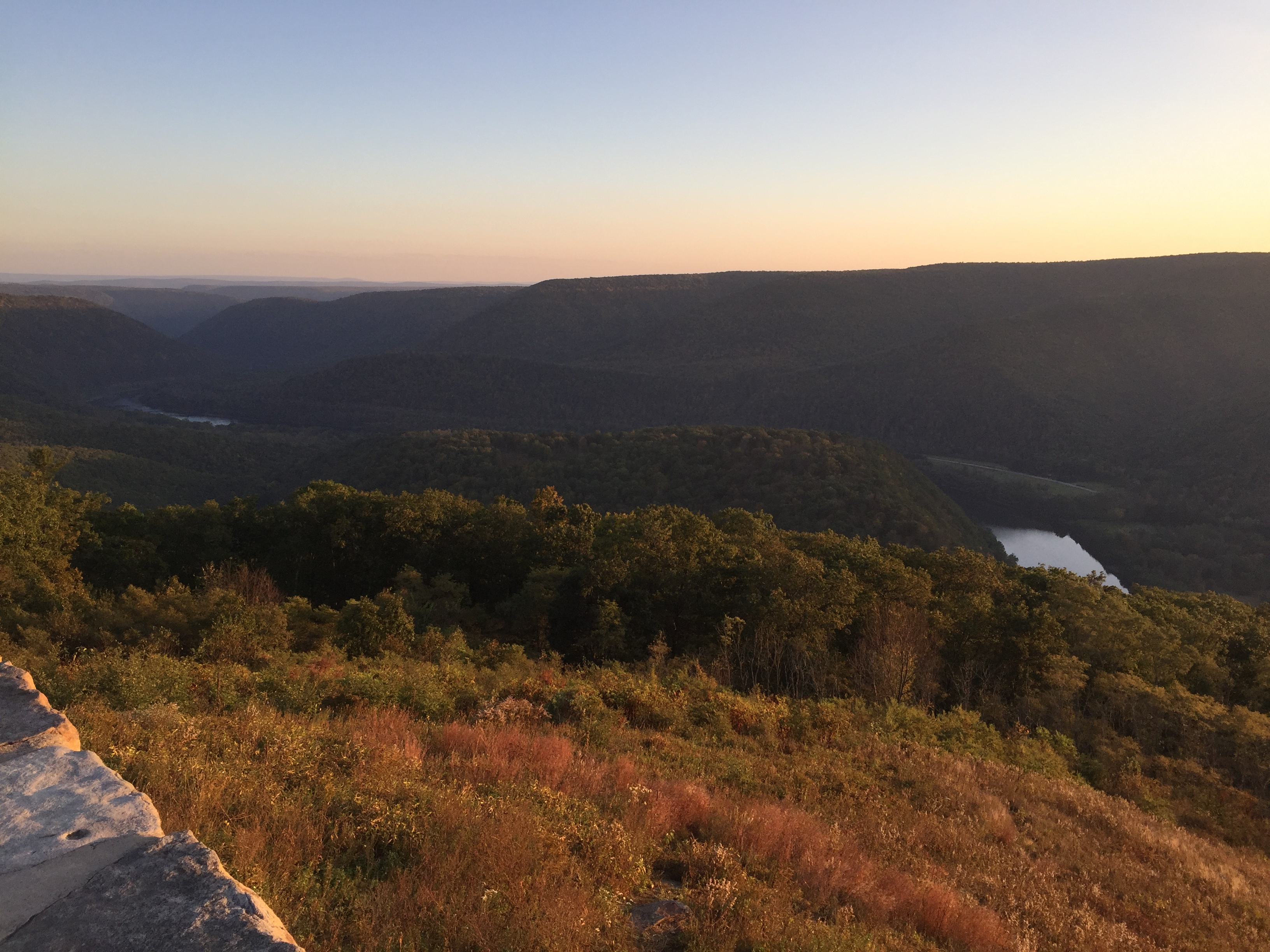
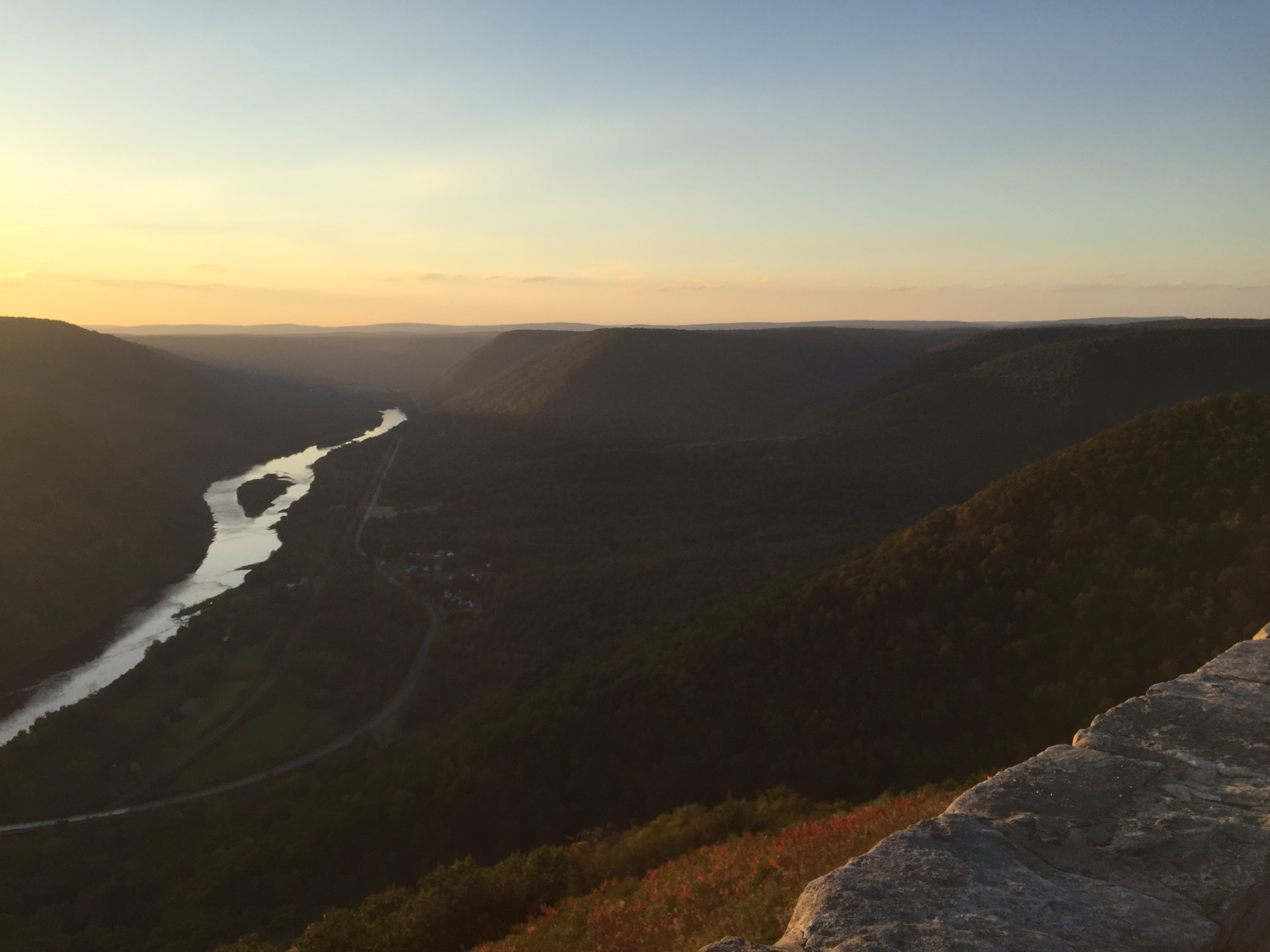
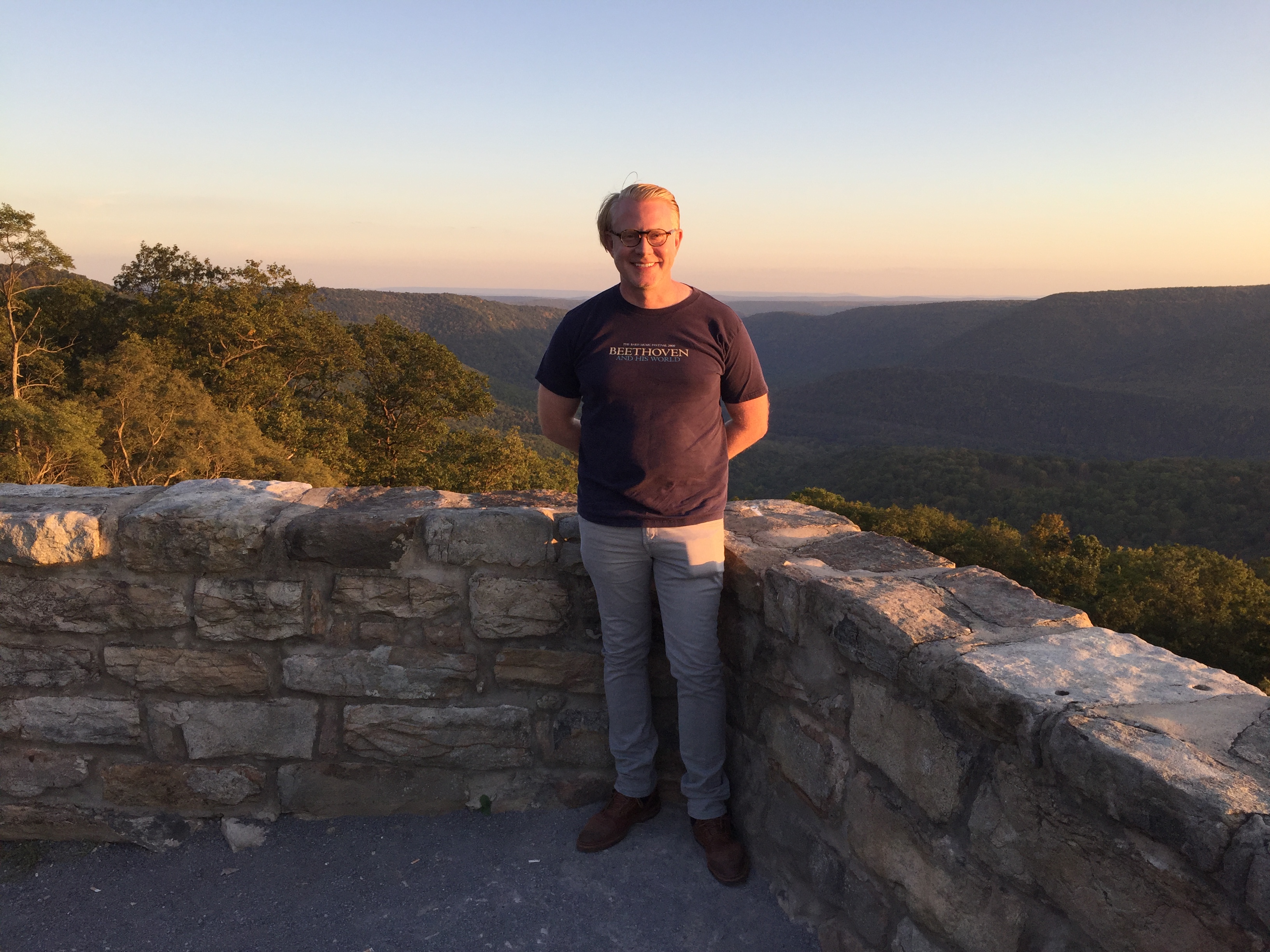
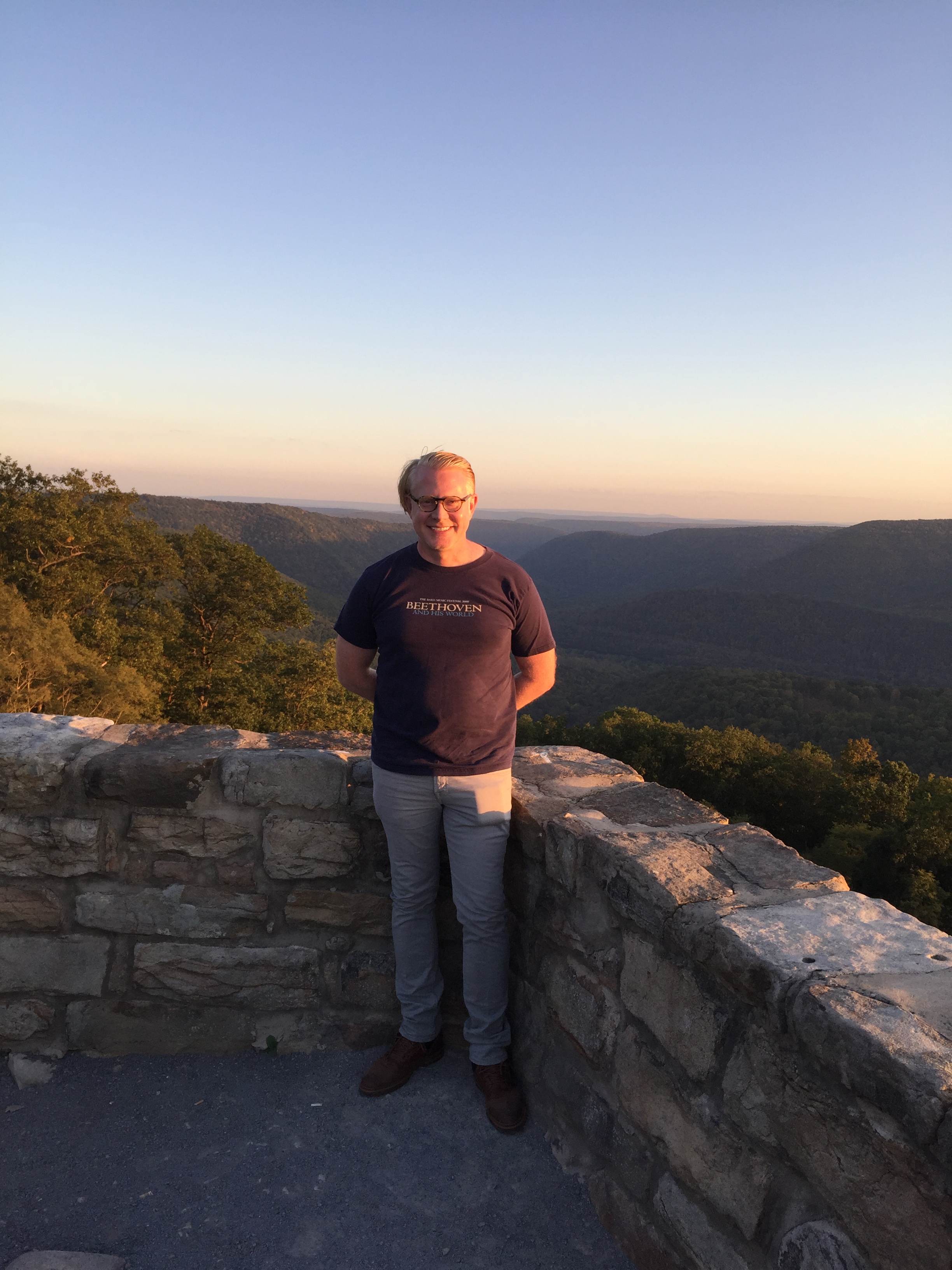
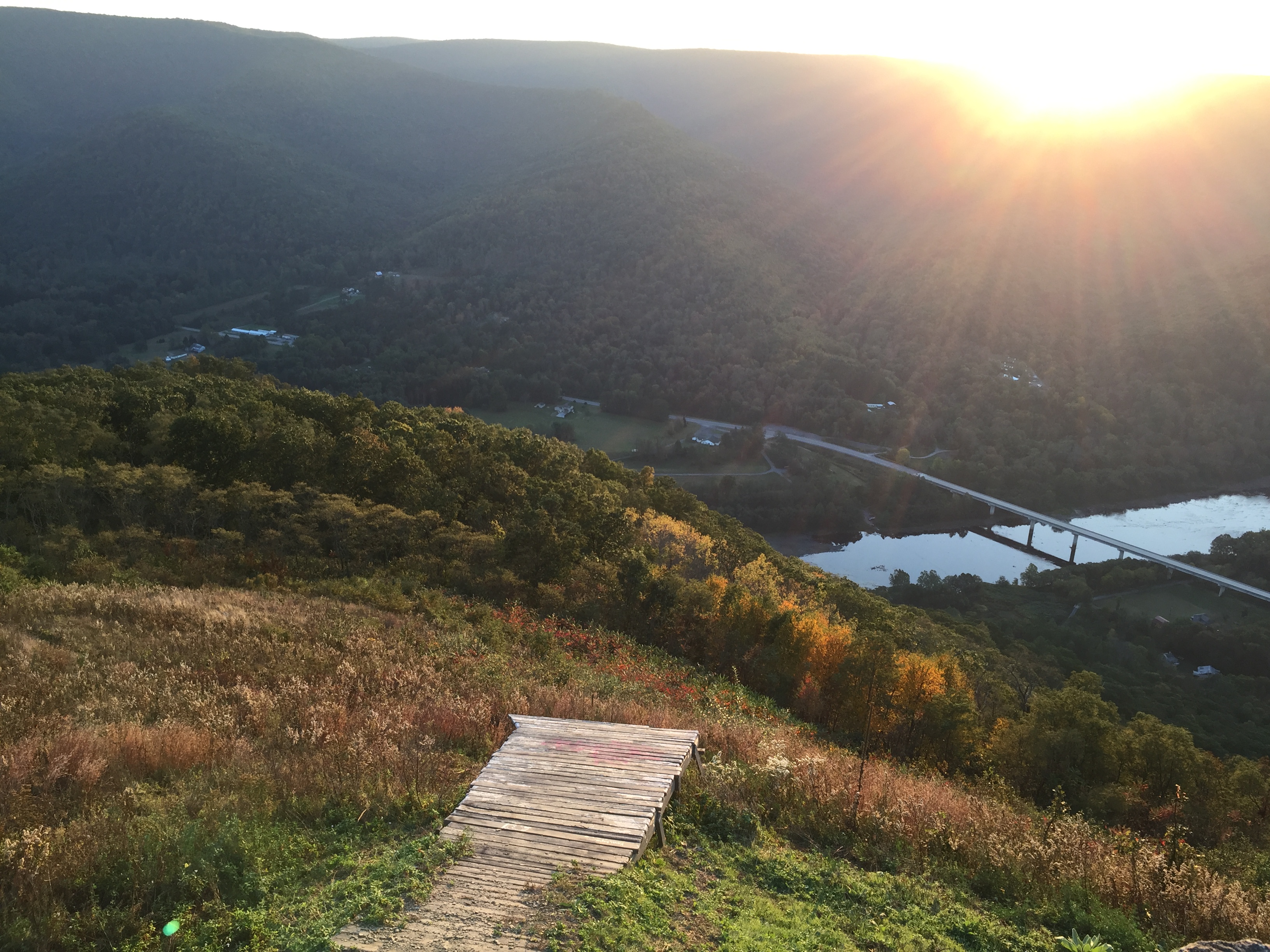
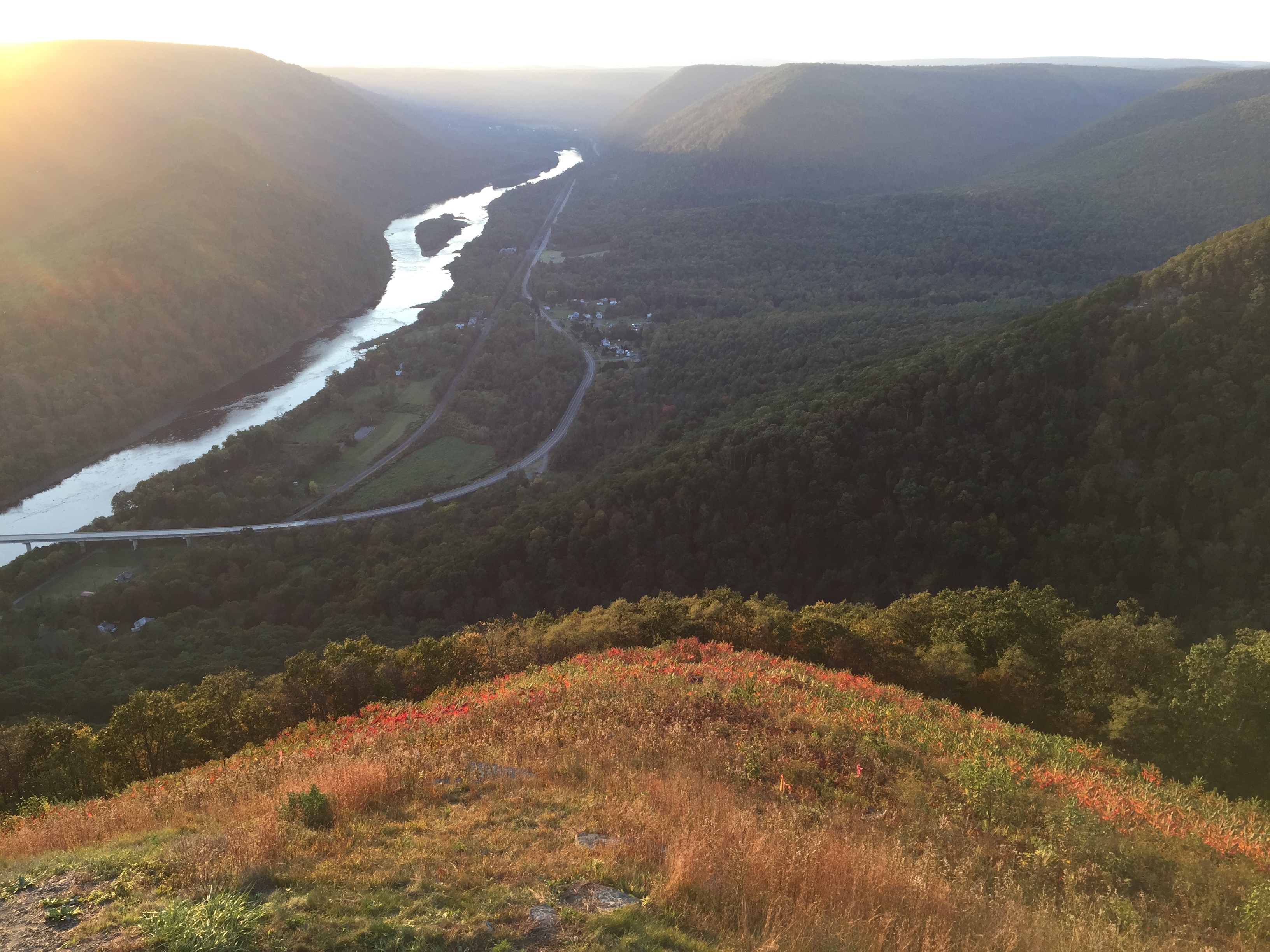
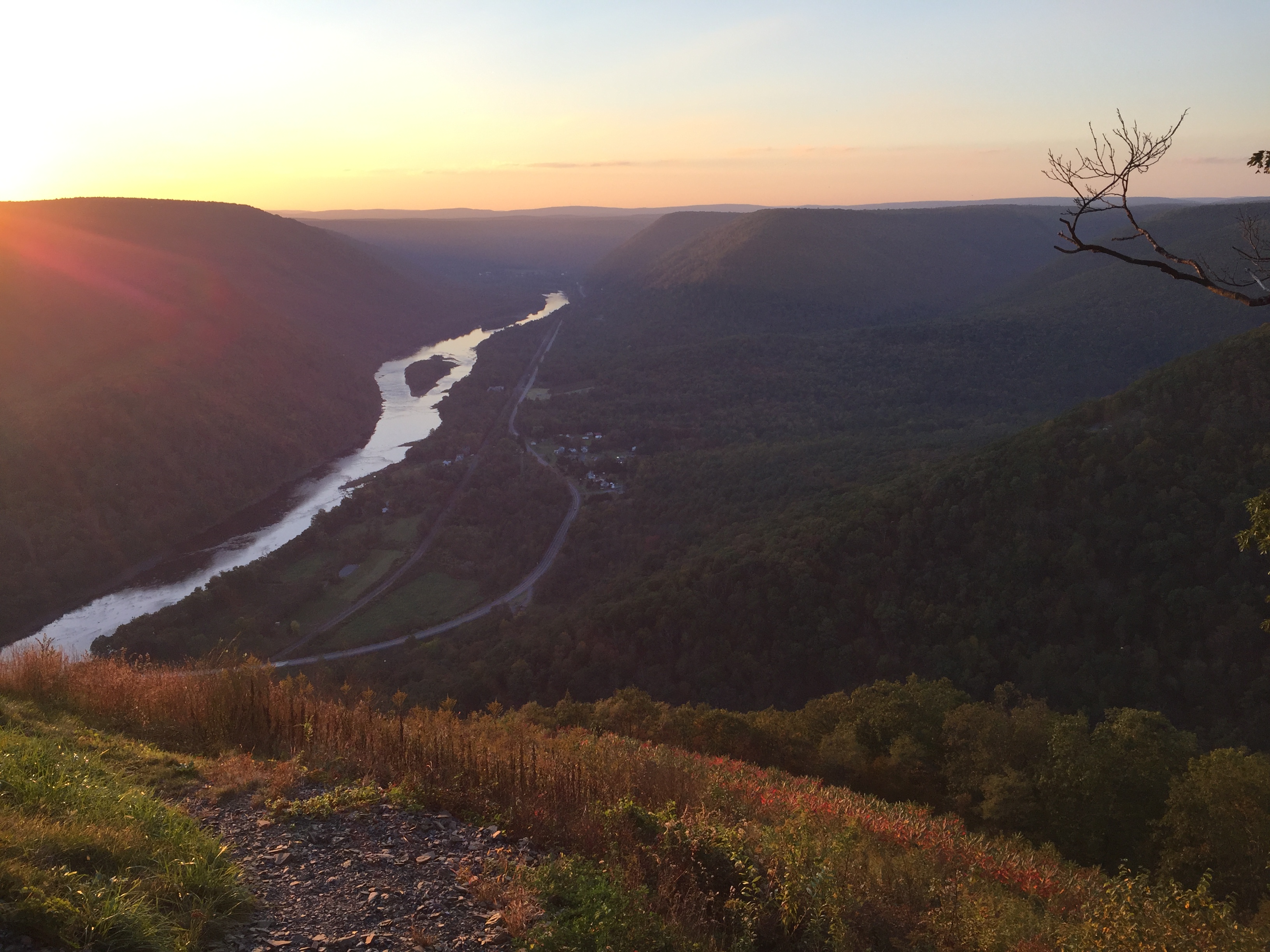
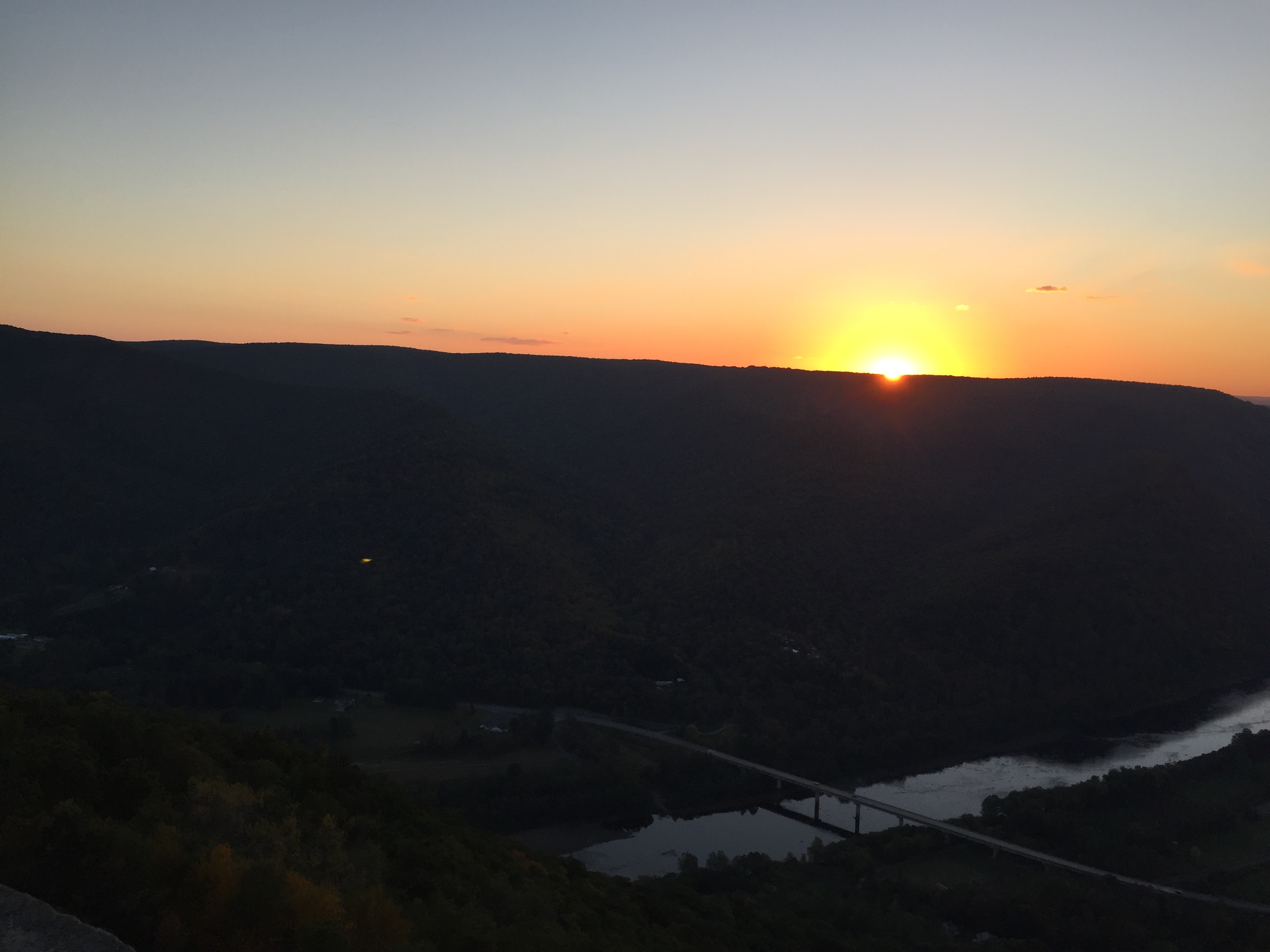
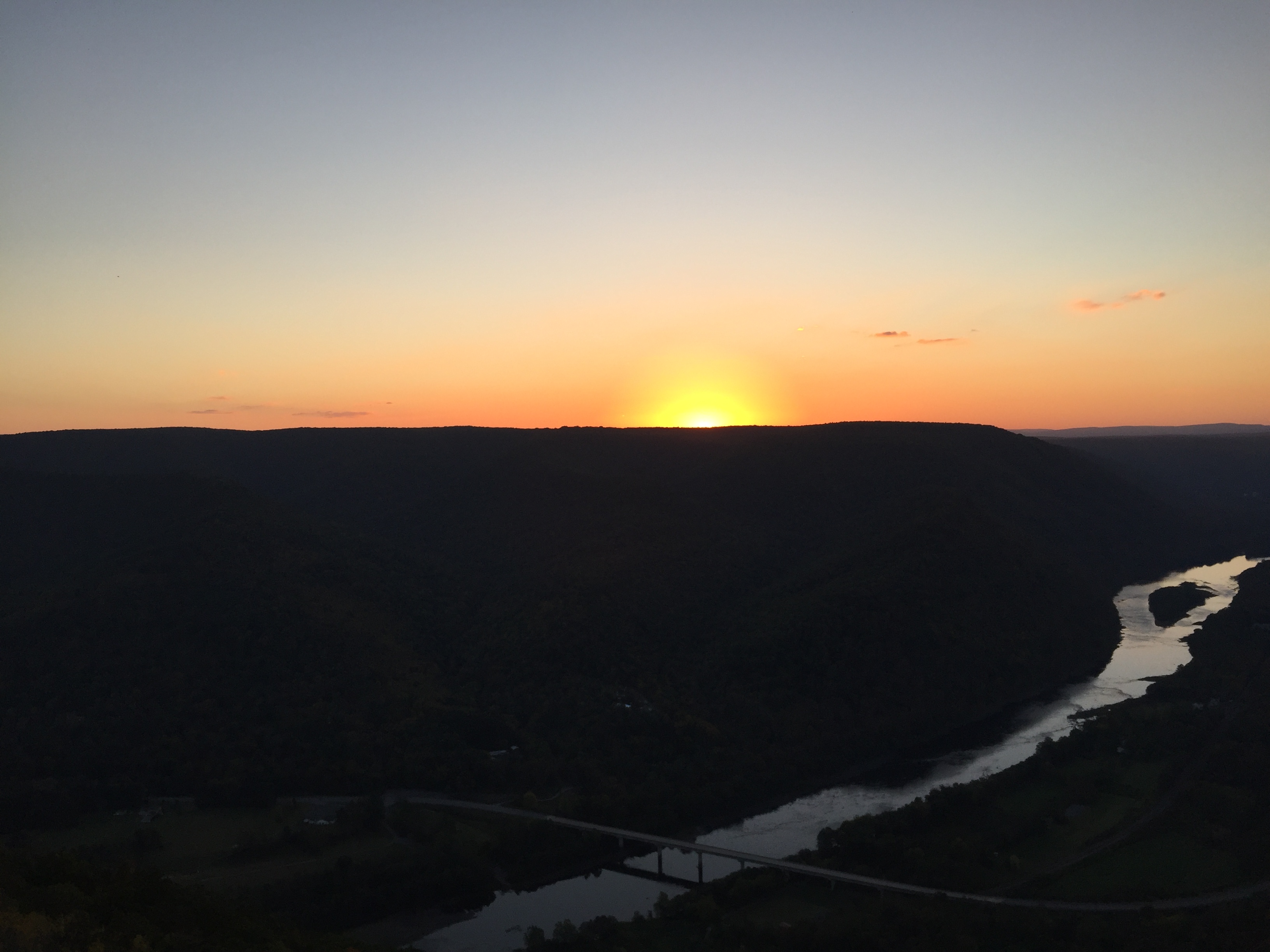
American Geode visited Hyner View State Park during the American Geode rockhounding and fossil hunting trip to Renovo, Pennsylvania and the world famous fossil locale of Red Hill. We were told that Hyner View State Park had the best sunset in the area, so we raced up a very winding road to the top of the mountain to witness one of the great sunsets. The photos speak for themselves, but we need to explain what the platform is that is visible in some of the photos. Due to the freedom of Pennsylvania laws governing outdoors activity, and the self-responsibility that the PA law requires, people go hang gliding off that platform. Per Pennsylvania law, unless you have been invited on to someone’s property, you are liable for yourself. Unless you are under the invitation of a property owner, even if you trespass on someone’s property, and get hurt, the owner of the property is not liable; you are liable. As a result of this, there is much more freedom allowed in Pennsylvania on public lands, as the state is not liable, and you are fully responsible for your safety and well-being. This brings many hang gliders to Hyner View State Park for hang gliding. We were told that someone goes up there with their hang glide, and then they have a friend drive down to meet and rendez-vous with them when they land at the bottom.

The laws of personal responsibility apply to rockhounding as well. One can rockhound along a state road outcrop. As long as the outcrop is not private property, you can rockhound. You are not allowed to rockhound or pull over along national highways however. This is a very important distinction to make because I-80 and I-81 are full of large outcrops, but they are off-limits since the highway is national. This is why American Geode was able to fossil hunt along old Route 15, along the outcrop that is Red Hill and in infamous ghost town Centralia.
http://www.americangeode.com/blog/red-hill-fossil-discovery-part/
http://www.americangeode.com/blog/fern-fossils-discovery-centralia-pennsylvania/
American Geode recommends each rockhound to plan their excursions in advance, exercise safety with goggles and protective clothing and gear, and to ensure that you do not trespass on private property. American Geode can provide guidelines from our rockhounding and fossil hunting trips, but American Geode are not legal experts.

Hyner View State Park was full of trails, and a a great place for cooking out. A family could bring a picnic, tools, charcoal, burgers and dogs for grilling out and take advantage of the permanent grills up there at the top of the mountain.

When rockhounding near Renovo, or fossil hunting at world famous Red Hill, American Geodes recommends a drive to Hyner View State Park for one of the world’s great sunsets, and maybe some hang gliders!

Hyner View State Park 1

Hyner View State Park 2

Hyner View State Park 3

Hyner View State Park 4

Hyner View State Park 5

Hyner View State Park 6

Hyner View State Park 7

Hyner View State Park 8

Hyner View State Park 9

Hyner View State Park 10

Hyner View State Park 11

Hyner View State Park 12

Hyner View State Park 13

Hyner View State Park 14

Fern Fossils Discovery in Centralia, Pennsylvania


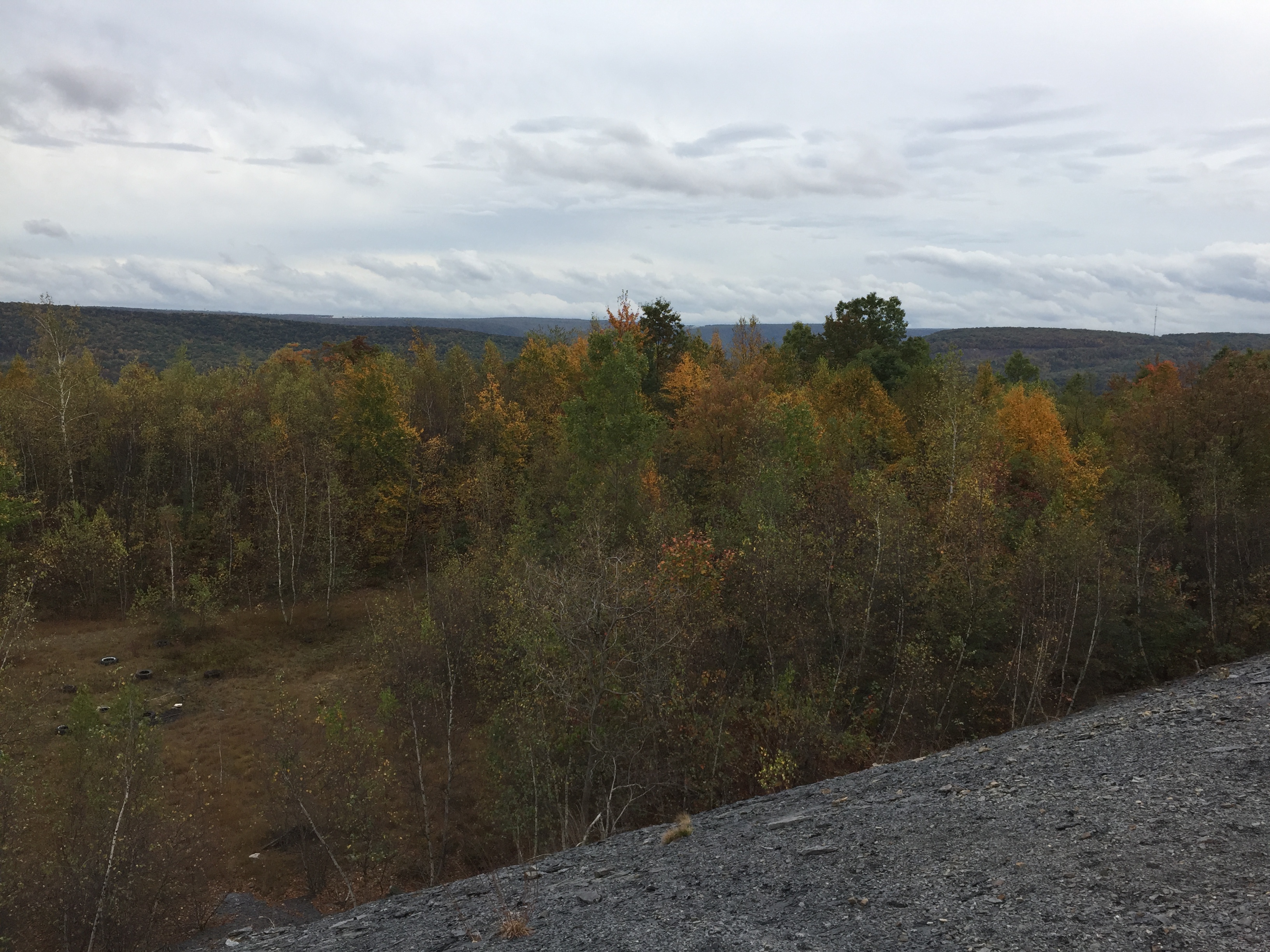
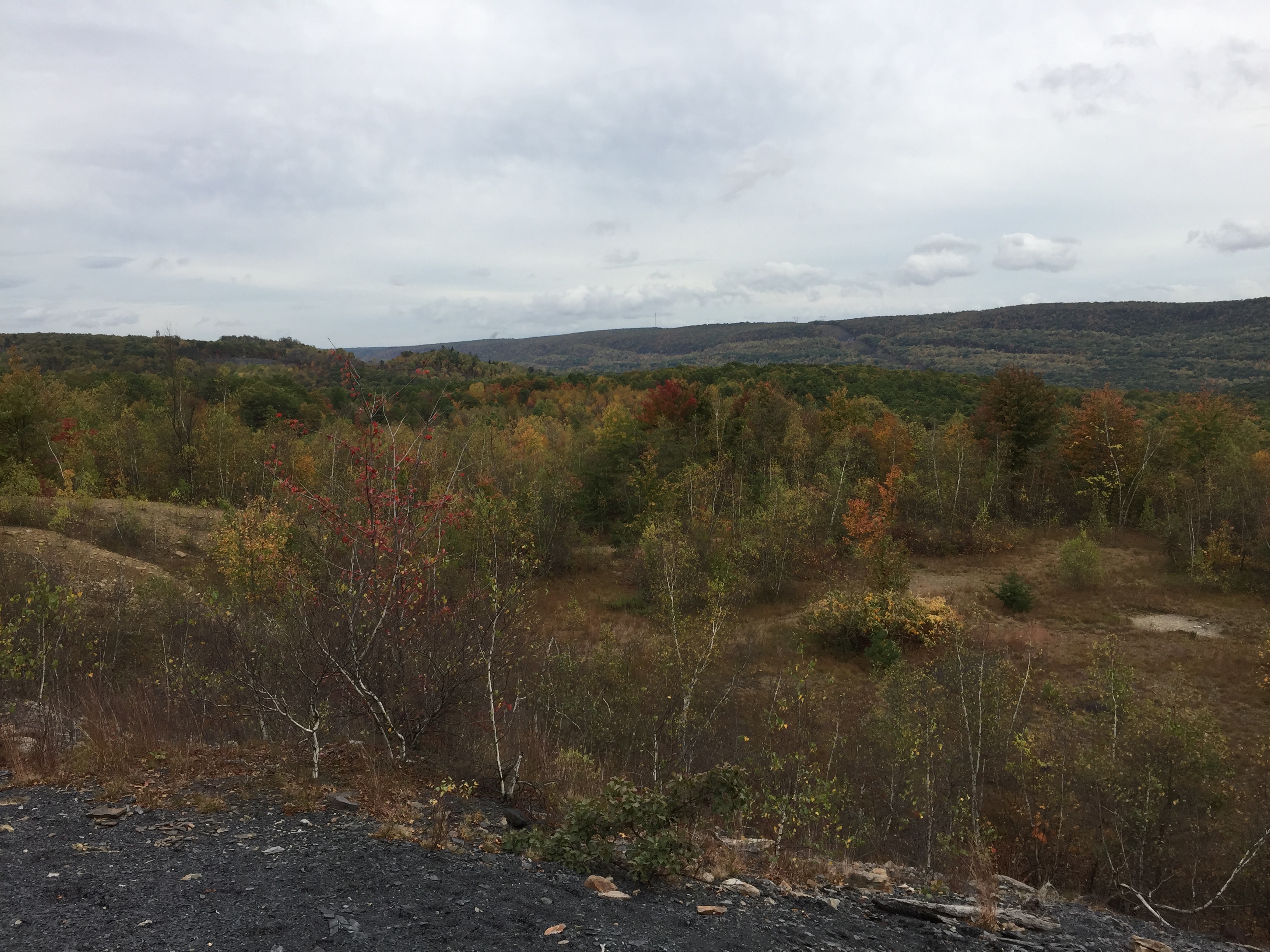
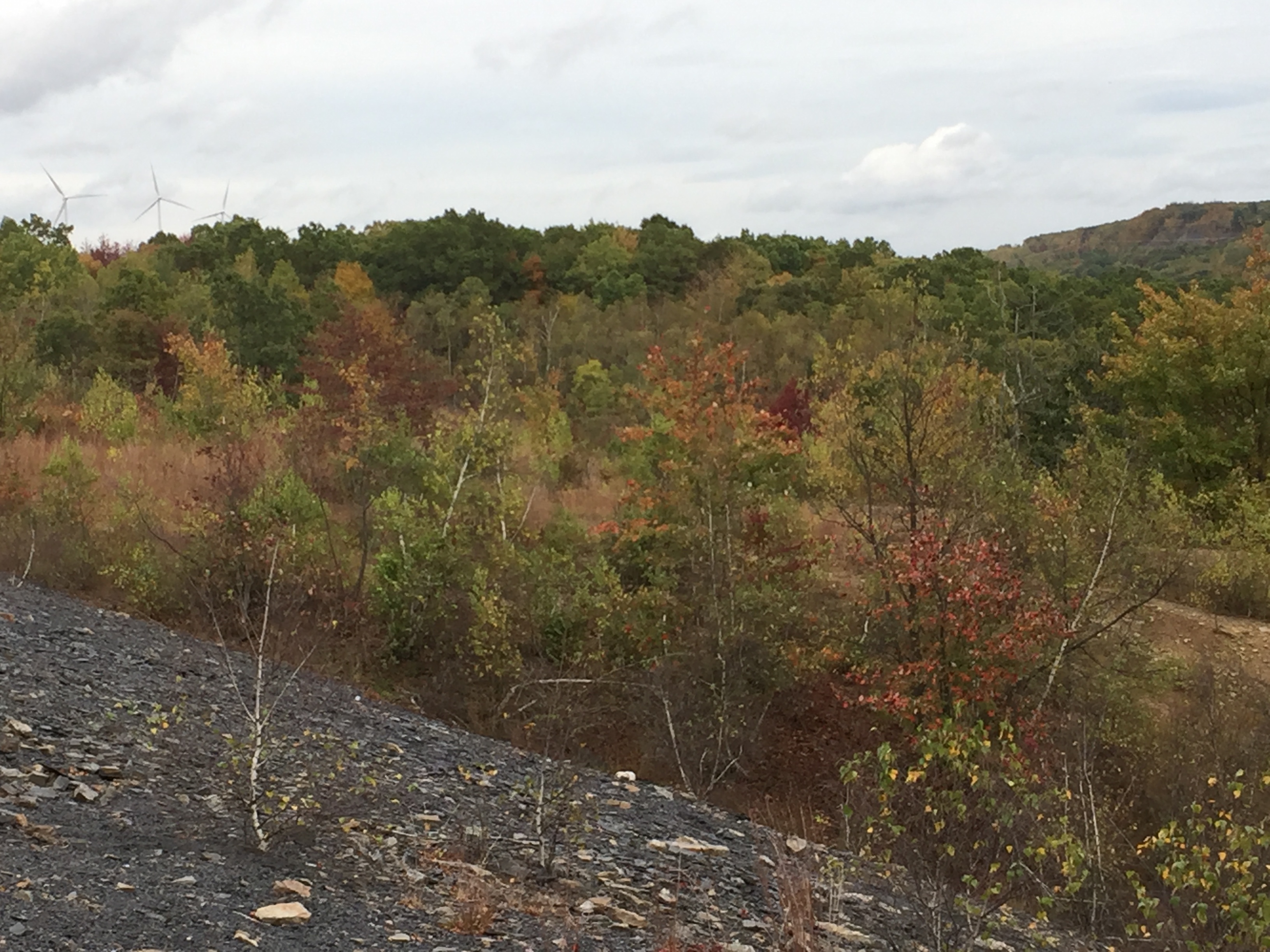
American Geode returned to the abandoned ghost town of Centralia, Pennsylvania to trace the source of rumors and stories about fern fossils that had supposedly been discovered in this dangerous, forgotten town in the heart of coal country. October 2017, returning from a successful trip in Renovo, PA, making a Red Hill fossil discovery, the team decided to stray a little off of I-80 and revisit Centralia. Centralia, PA is an old coal town that had been abandoned, demolished and condemned in the 1990s due to an underground coal mine fire raging since the early 1960s. Centralia can still be discovered on a map, and it is like walking into a set for “The Walking Dead,” or a show set after the Apocalypse.

There are many articles written about Centralia that contain more history and background than American Geode can share. We were there because people were telling us that they found fern fossils.

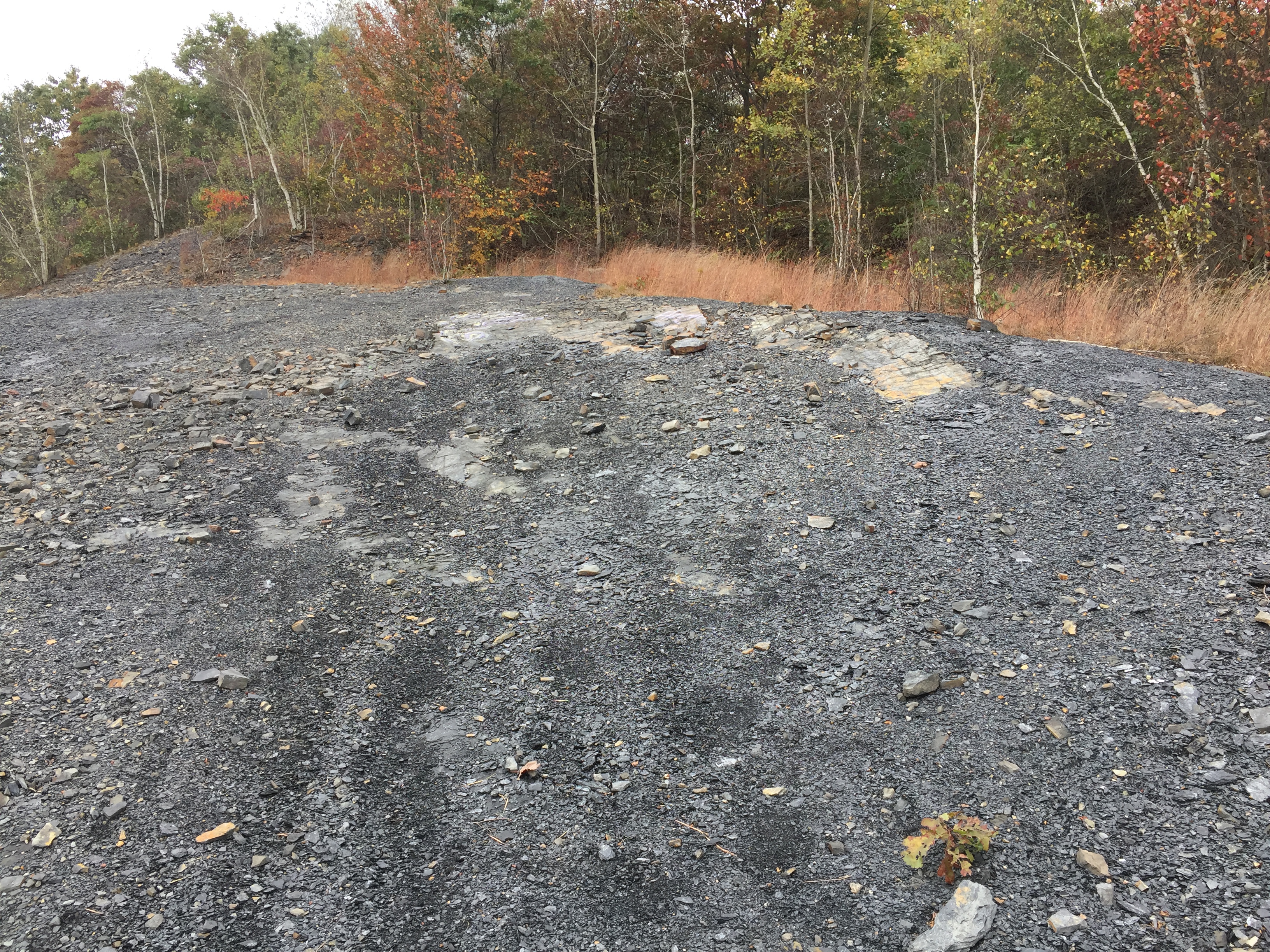
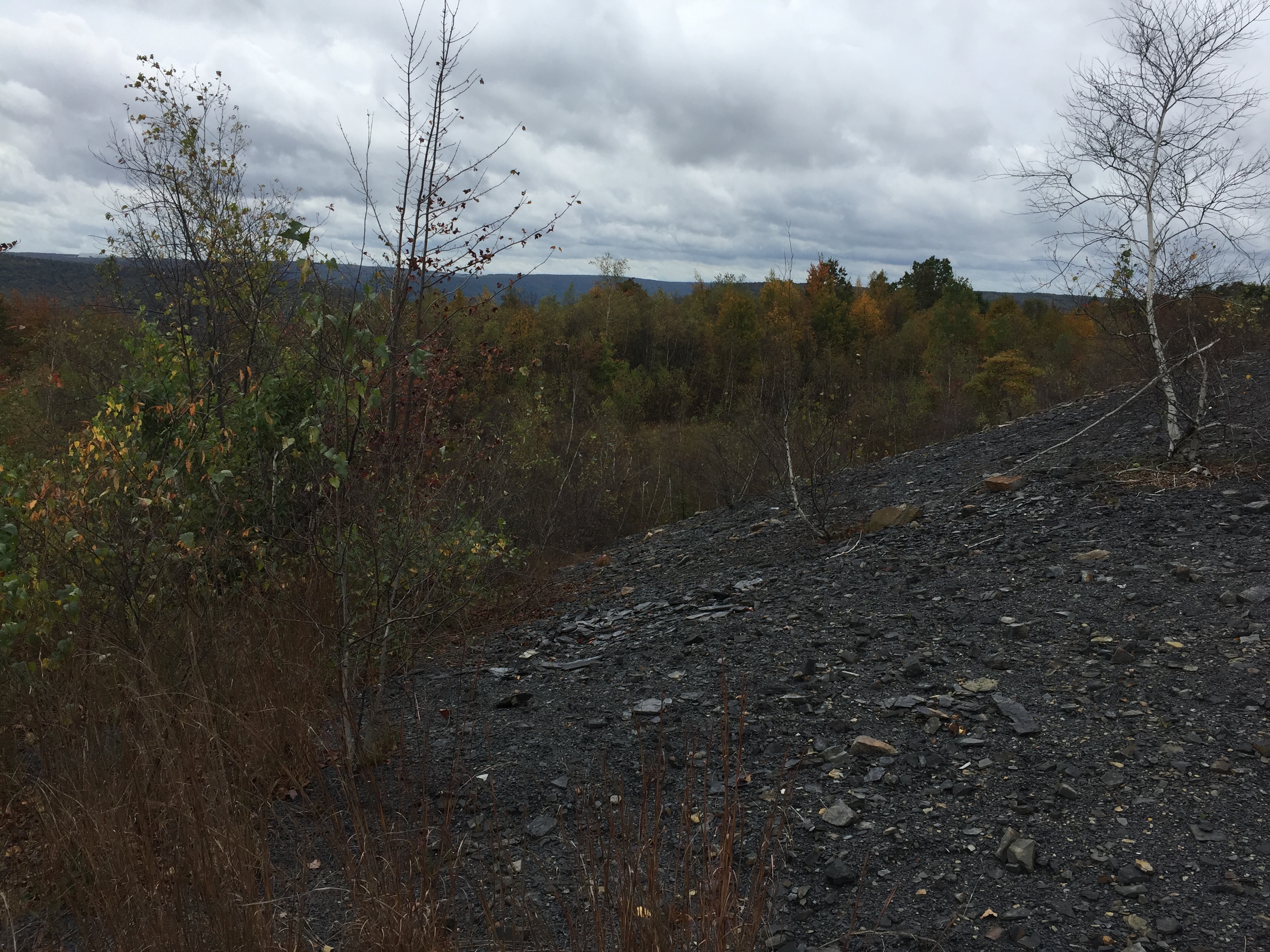
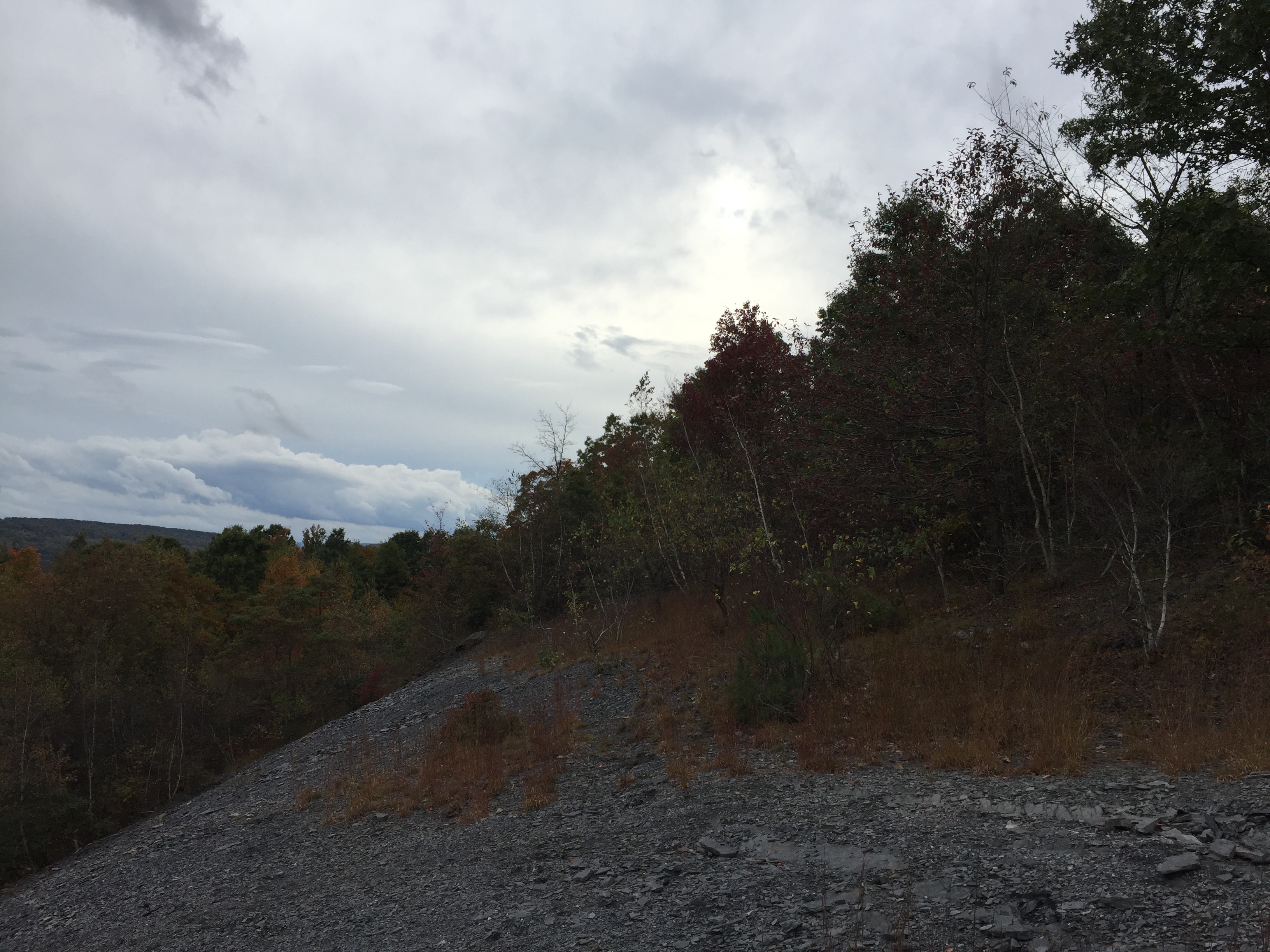
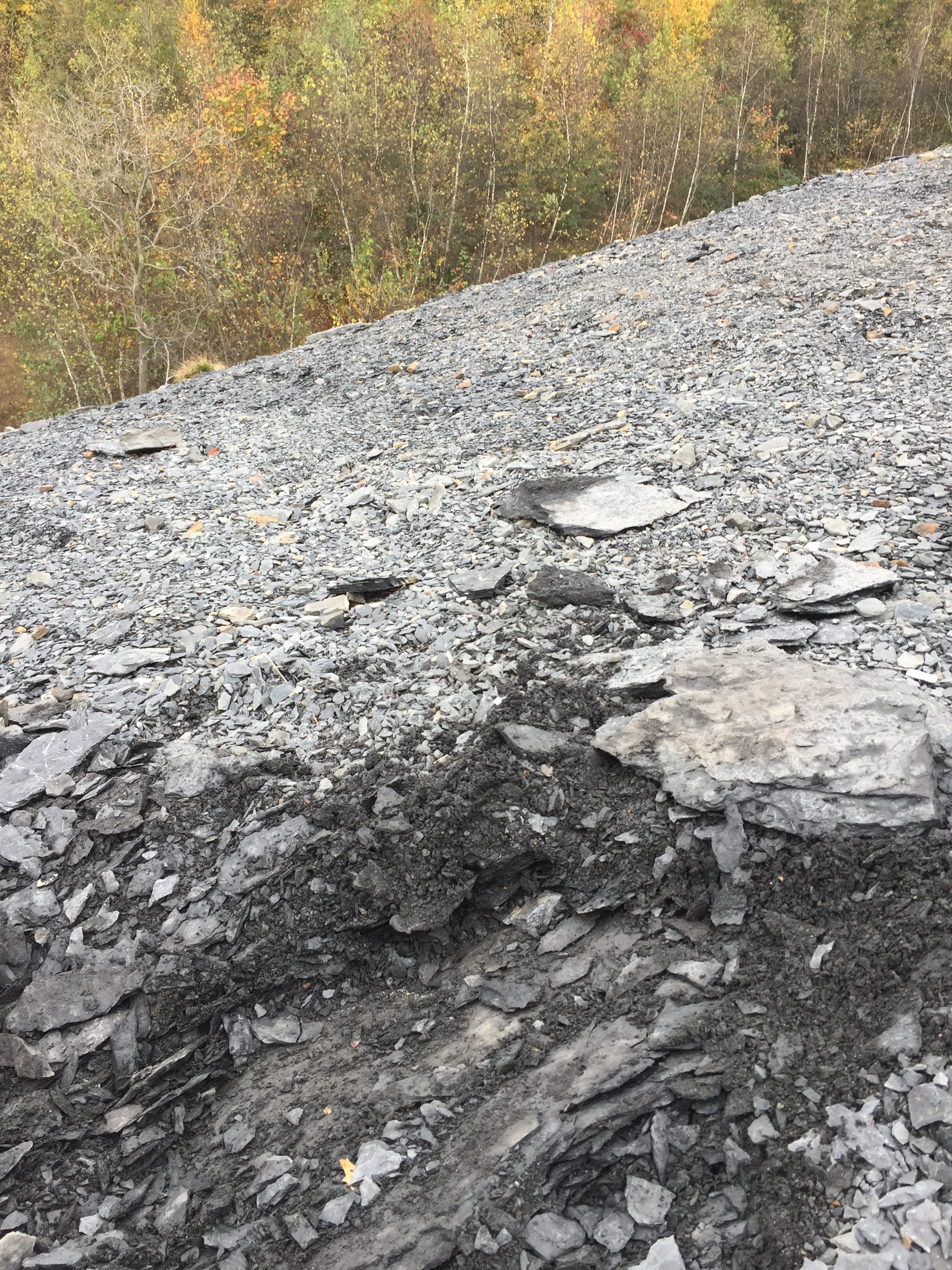
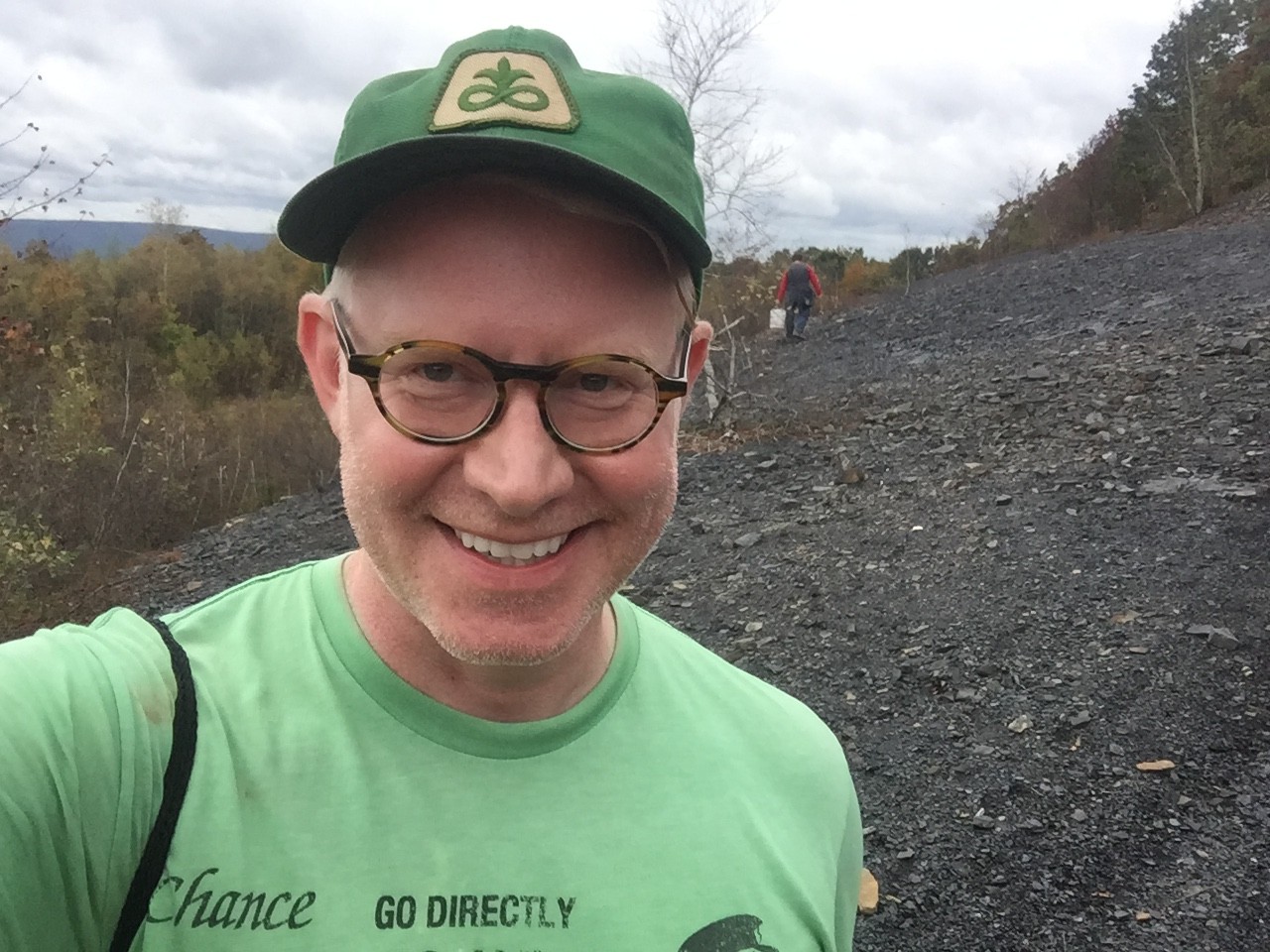
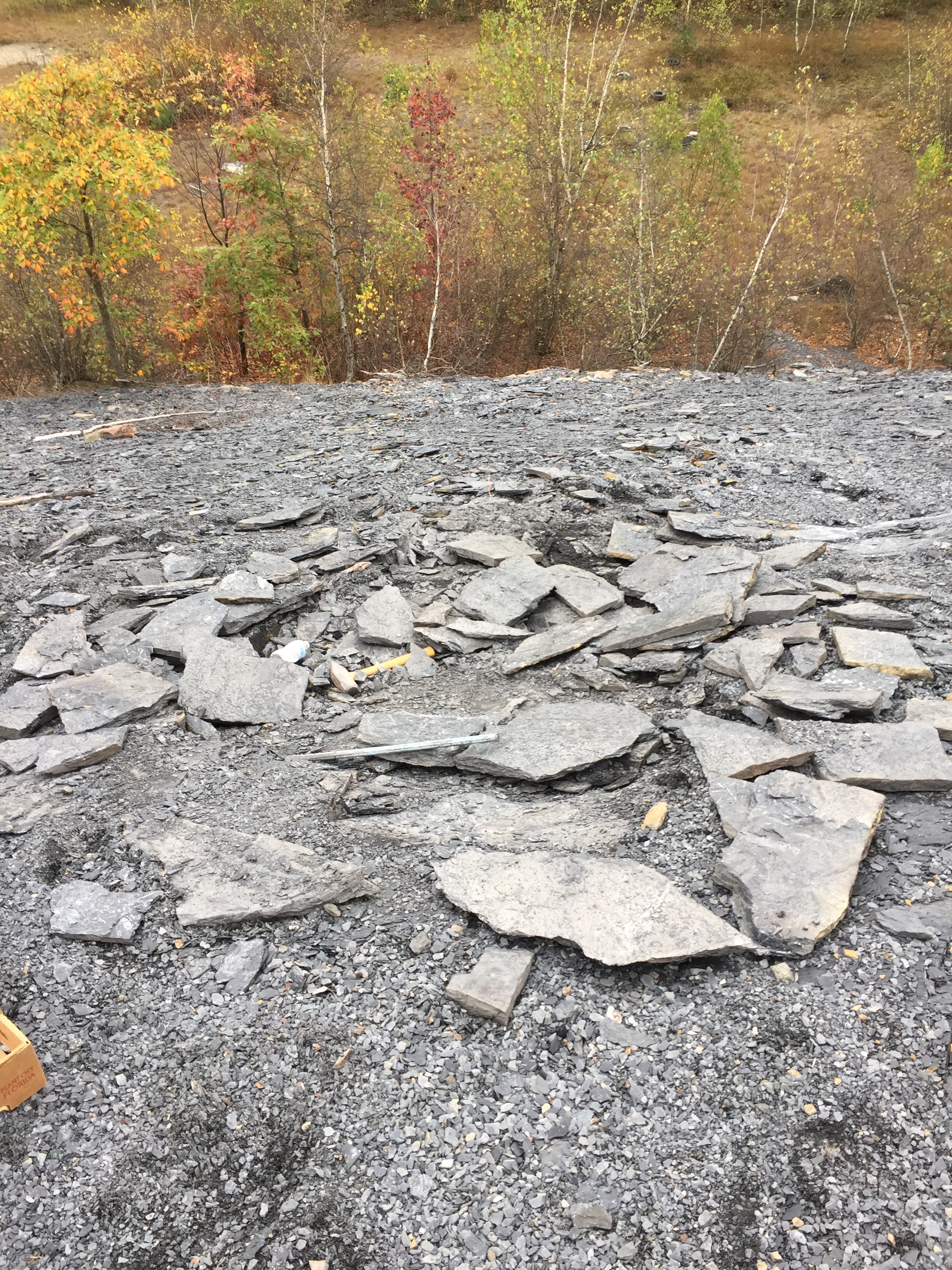
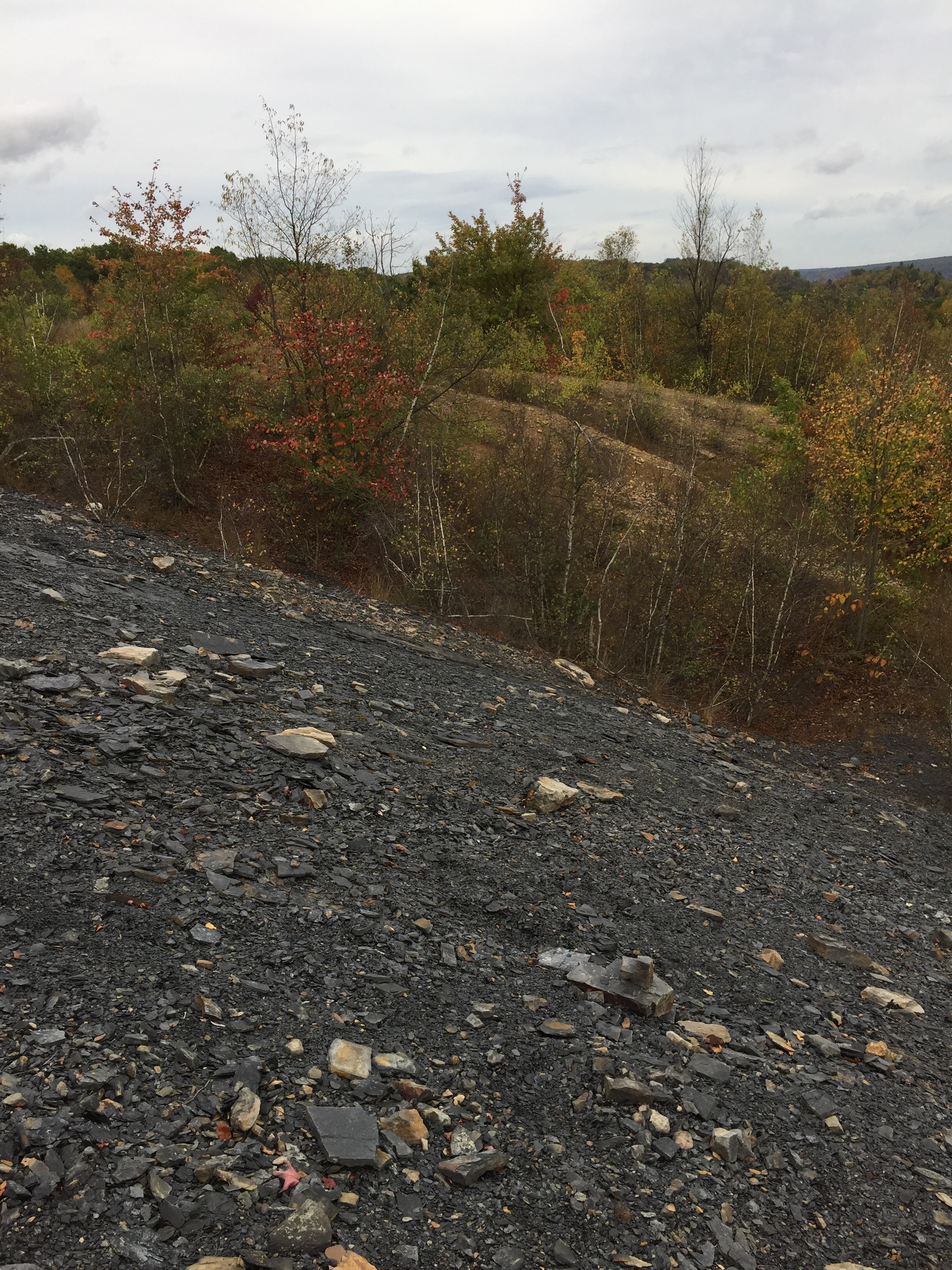
We parked the car past the second cemetery in town, walked about 300 meters, and found a hillside that was in fact covered with slate and shale. This was somewhat treacherous and American Geode would classify this site as “intermediate.” Wear boots with soles made for rocky and slick surfaces, wear gloves, long sleeves in case you stumble, and bring water and food because you are in an abandoned town after all. We were reluctant at first to start digging, but to paraphrase Walt Disney it was time for us to stop talking and “just get to work.”

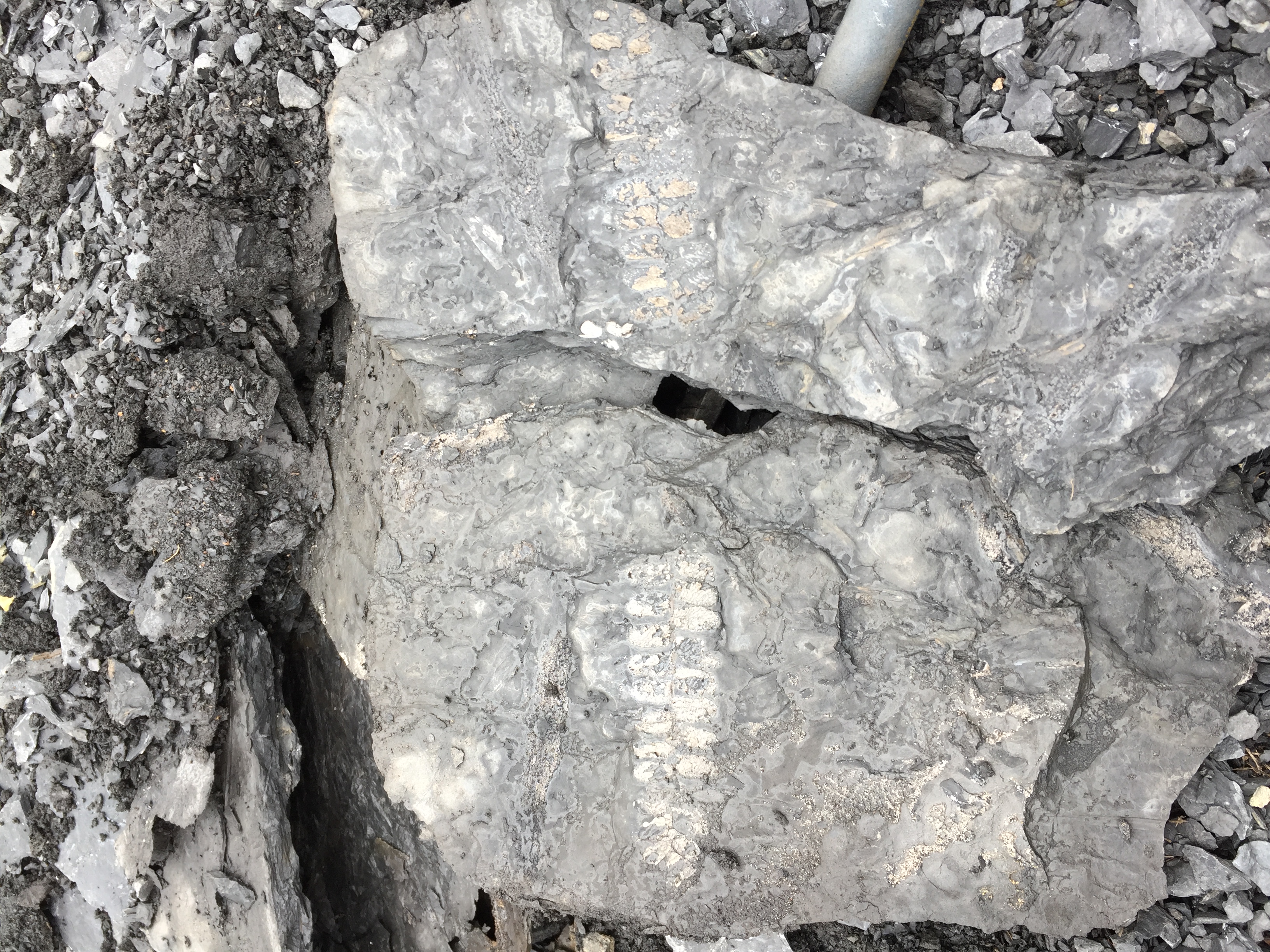
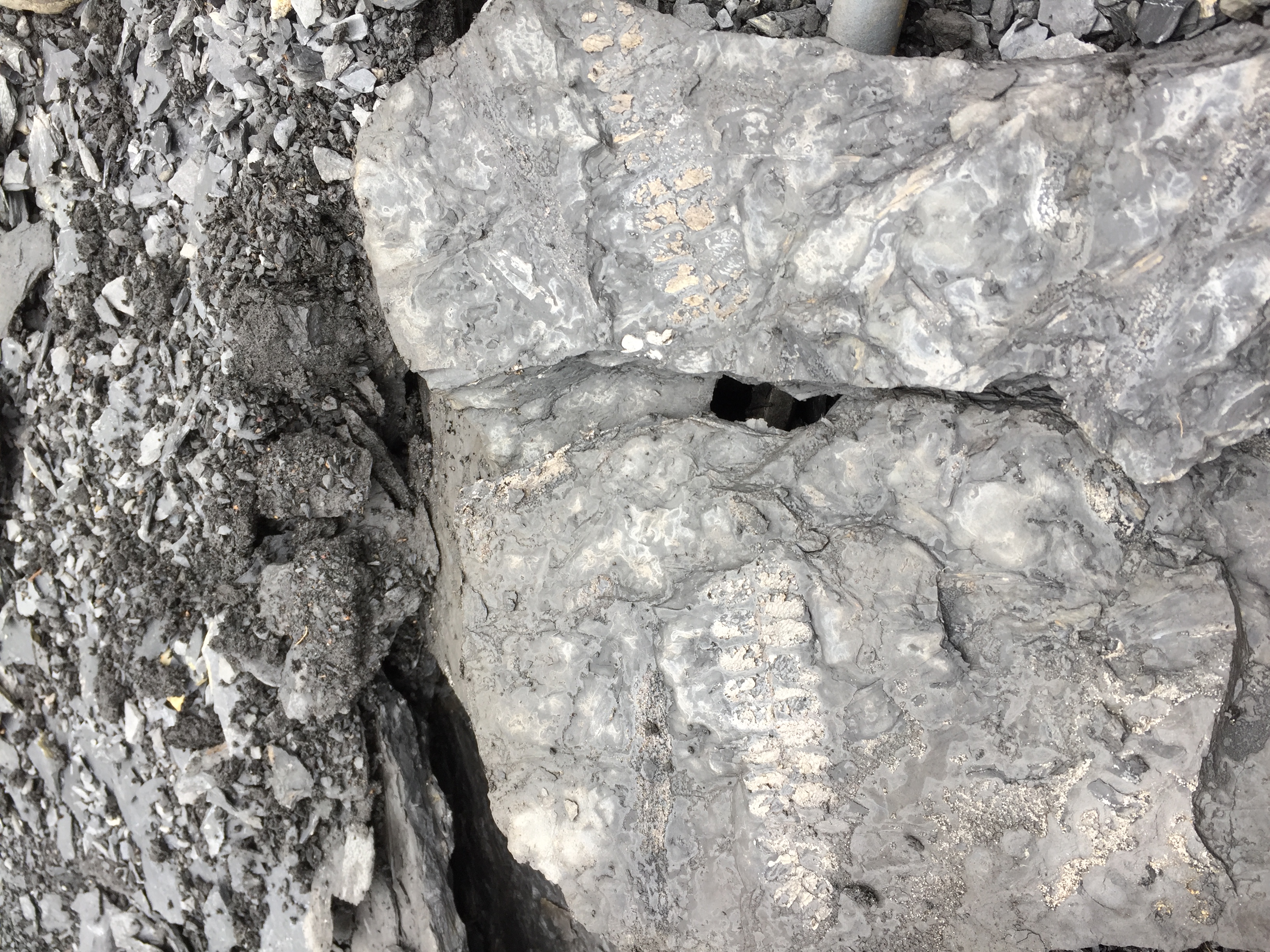
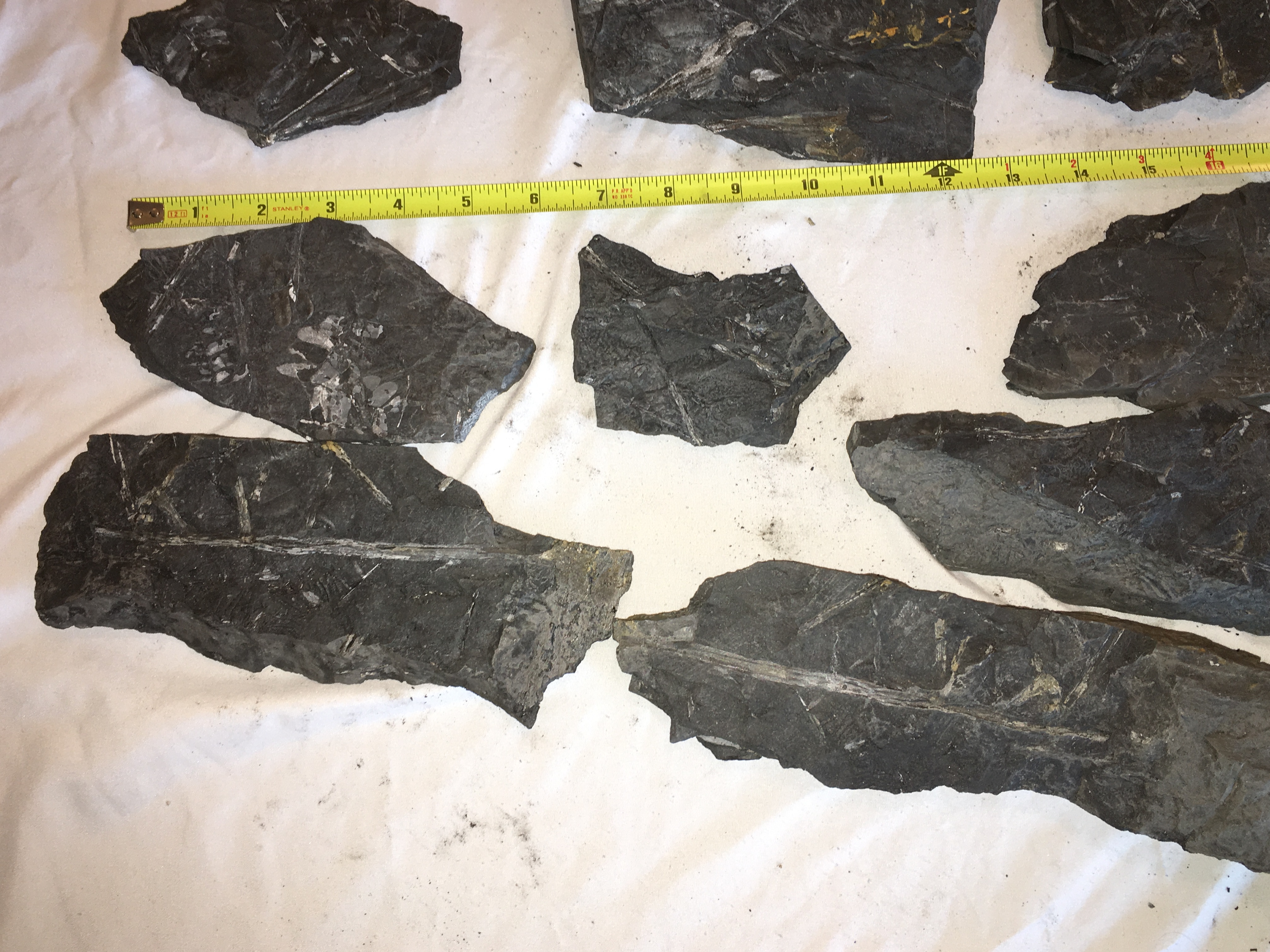
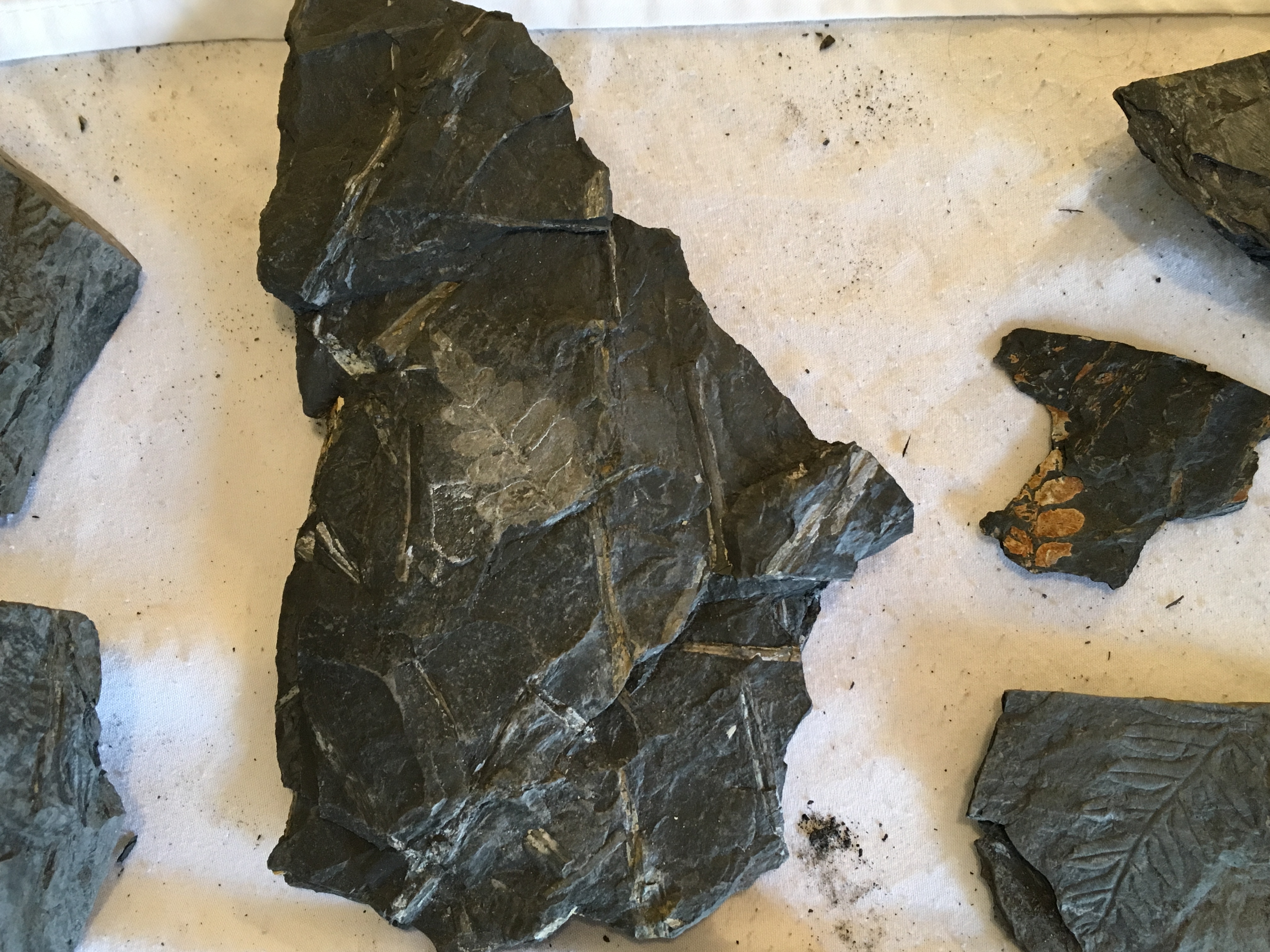
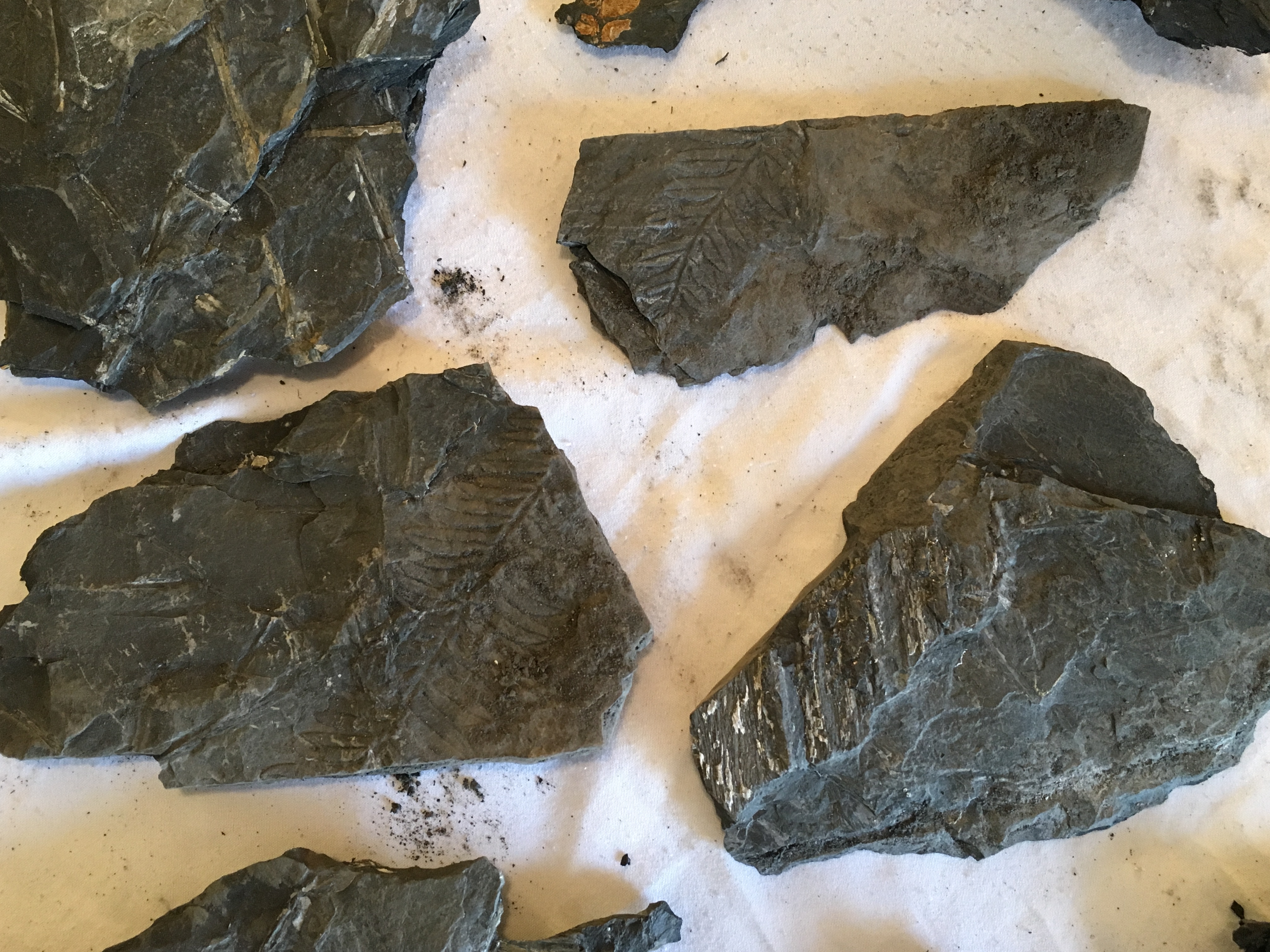
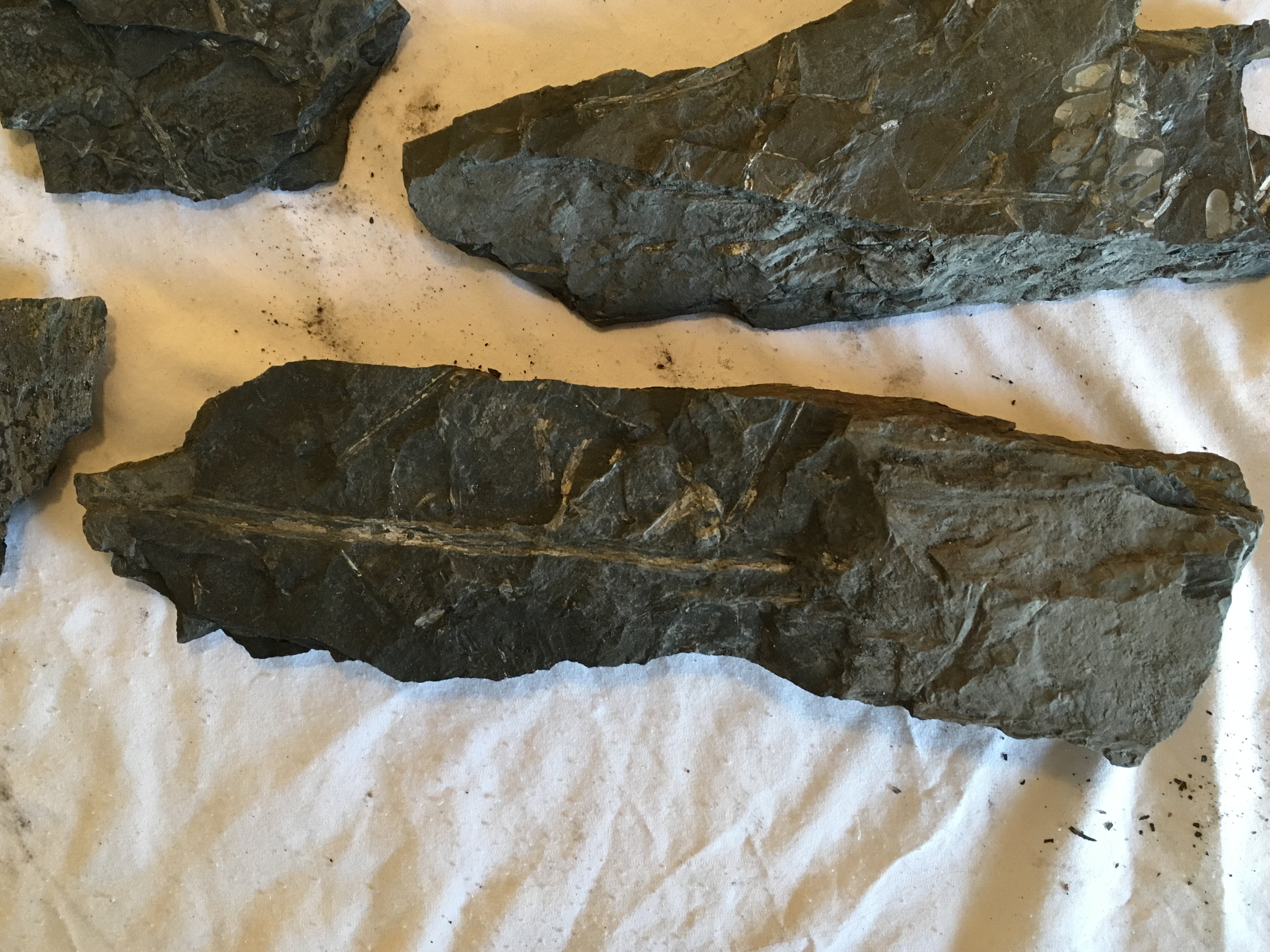
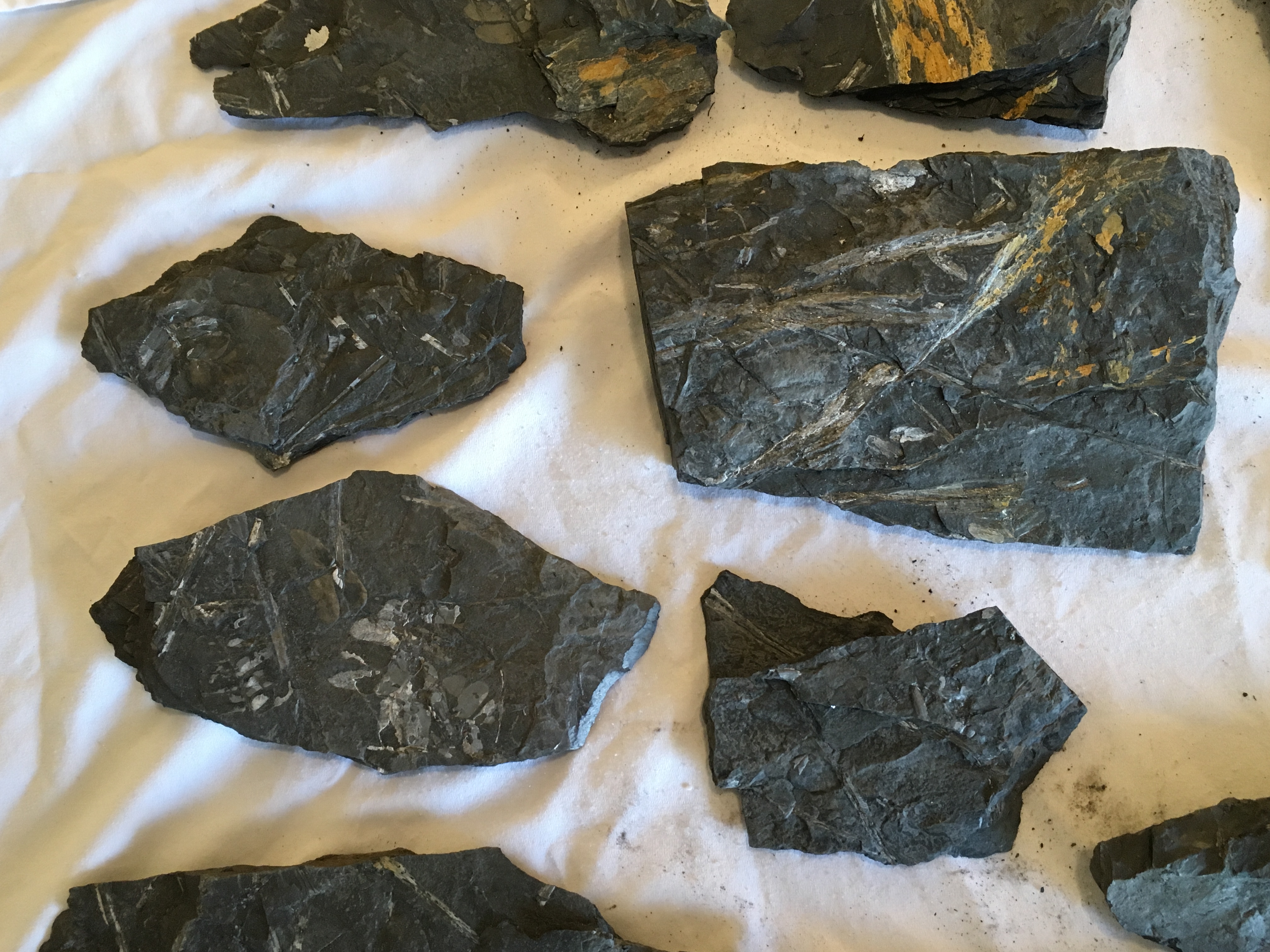
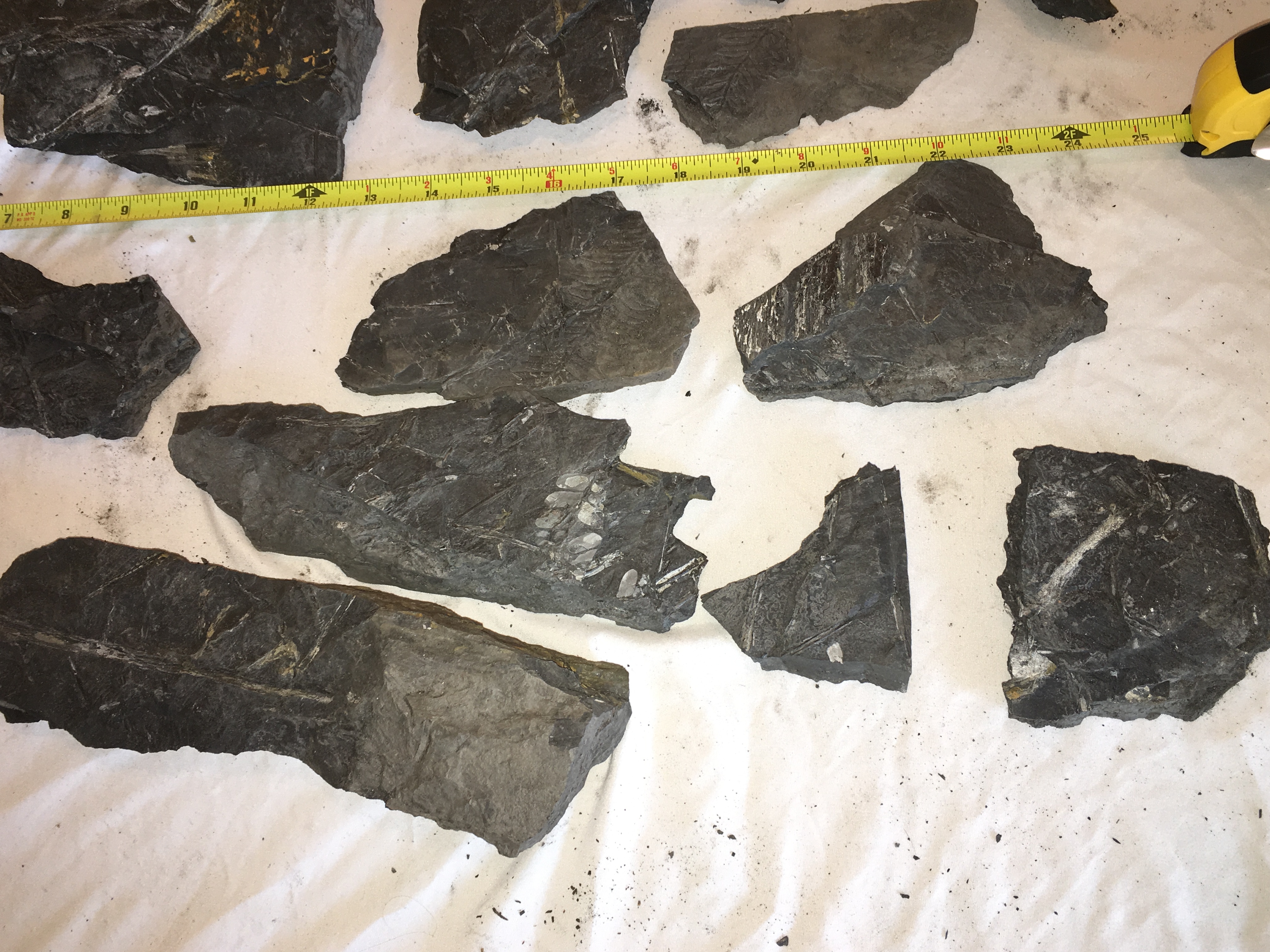
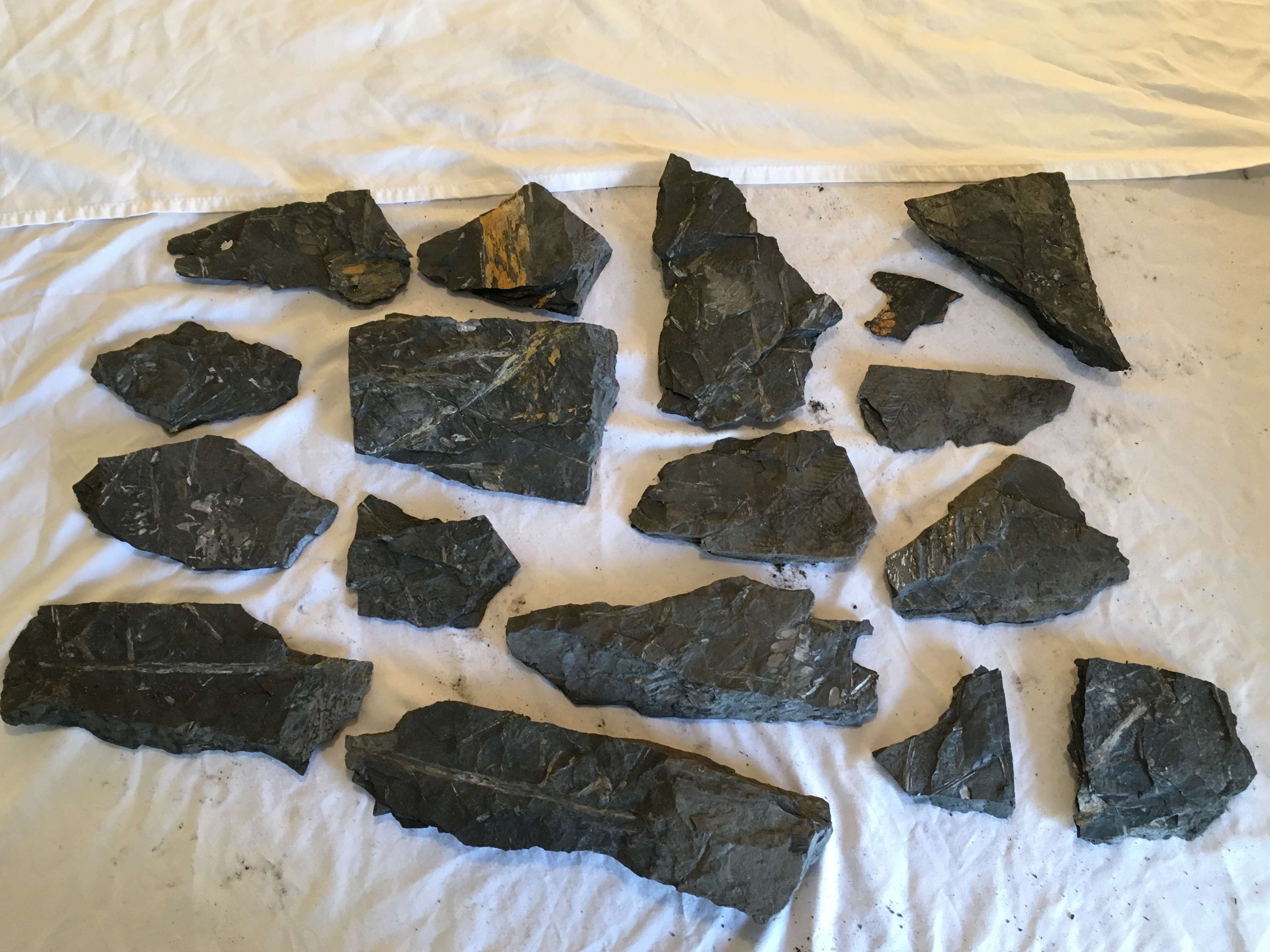
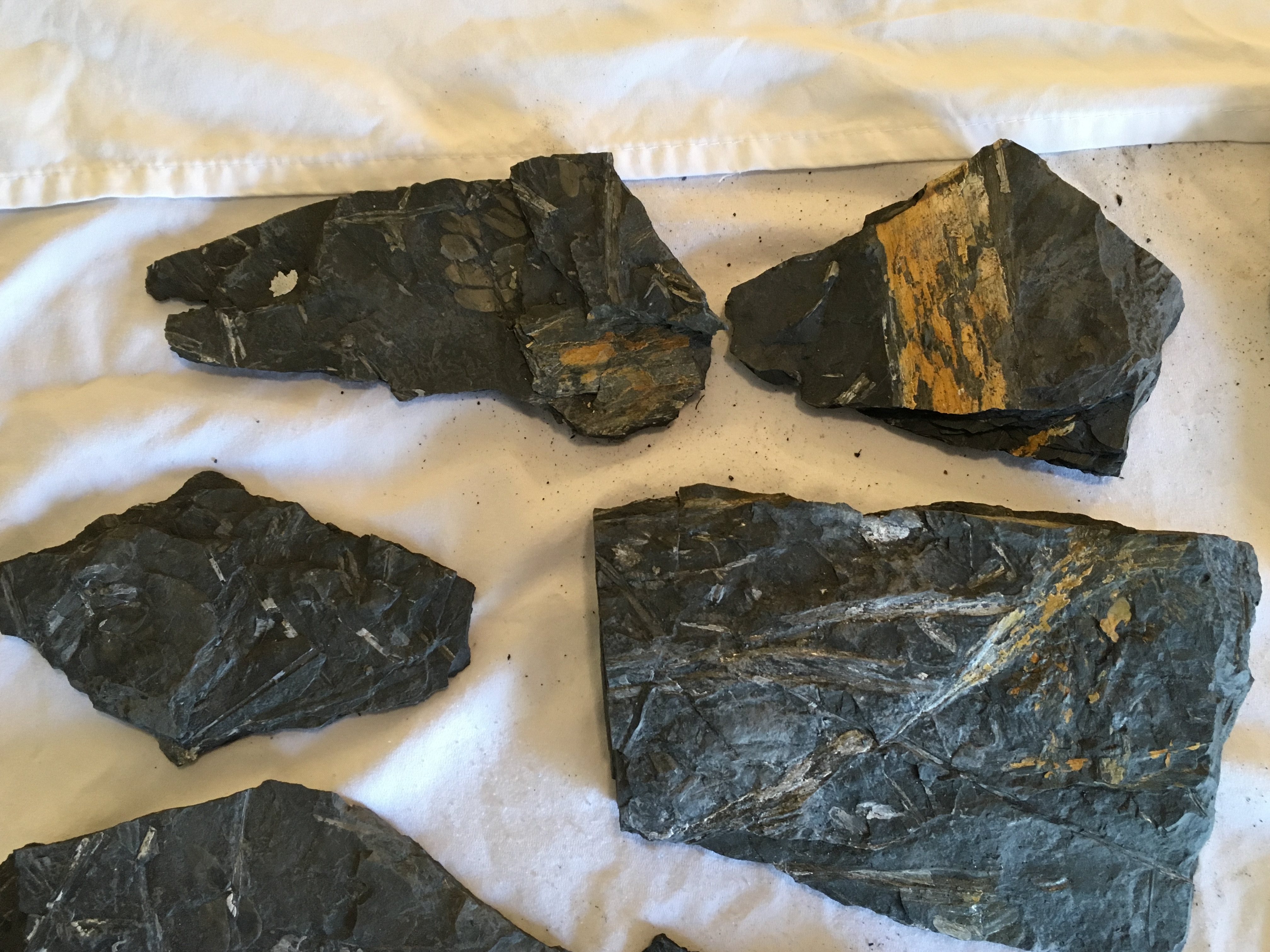
We were very excited when we started finding branches, and some ferns. American Geode believes that this is the site of a swamp or marsh where trees fell and died. We found many more branches and logs than we did fern fossils. The fern fossils are the most dramatic however and most highly sought after. Following is background on the fern fossils one can find in Centralia, photos of our adventure and a video. We are selling many of the fern fossils we discovered this trip. Please contact American Geode for details or visit us on ebay: https://www.ebay.com/usr/americangeode
Fern fossil 1

Fern fossil 2

Fern fossil 4

Fern fossil 15

Fern fossil 16

Fern fossil 17

Fern fossil 18

Fern fossil 19

Fern fossils 5

Fern fossils 6

Fern fossil 3

Fern fossil 9

Fern fossil 12

Fern fossil 13

Fern fossil 14

From the American Geode eBay shop:

Fern fossils, tree branches from Centralia, Pennsylvania, from an abandoned off-limits site. This is the first time they have come to market.

Discovered by American Geode in October 2017.

Excellent set of 17 fern and plant fossils, museum quality. Academics, curators, collectors and interior design professionals have called our plant fossil collection some of the finest ever assembled. These fossils are becoming increasingly rare. The mineral Pyrophyllite is what gives the fern and vegetation impressions their unique white color. The unusual gold tint is rare and is caused by iron ore that was present during the fossil formation.

Name: Fern Fossils and Tree Branches
Fern Species: Alethopteris
Location: Centralia, Pennsylvania, U.S.A.
Time: Pennsylvanian Sub-period, 320-290 million years old
Llewellyn Formation

Fern fossils m

Fern Fossils j

Fern fossils i

Fern Fossils h

Fern Fossils g

Fern fossils f

Fern Fossils e

Fern Fossils d

Fern Fossils c

Fern Fossil k

Fern fossils a

Fern Fossils b